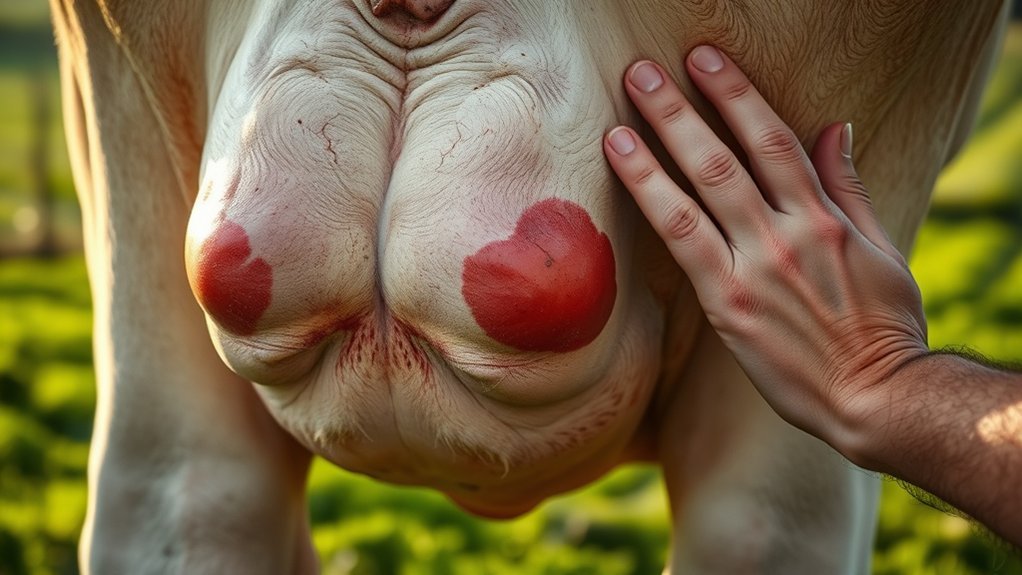
Mastitis is a significant condition that can affect breastfeeding mothers, leading to discomfort and potential complications. You might notice symptoms like localized tenderness, swelling, and redness in the breast, along with systemic signs such as fever. Understanding these symptoms and recognizing the early signs is vital for effective management. But what are the underlying causes, and when should you consider seeking medical attention? Let’s explore the essentials of mastitis to guarantee you stay informed.
What Is Mastitis?
Mastitis is an infection of the breast tissue that results in breast pain, swelling, warmth, and redness, often accompanied by flu-like symptoms.
Mastitis is a painful breast tissue infection causing swelling, warmth, and flu-like symptoms.
This condition typically occurs in lactating women but can affect anyone. It’s caused by bacteria entering through cracked skin or milk ducts, leading to inflammation.
You might experience blocked milk ducts, which can exacerbate the infection. Risk factors include poor breastfeeding technique, inadequate drainage, and stress.
Diagnosis involves physical examination and, if necessary, imaging studies or cultures.
Prompt treatment is essential to prevent complications, including abscess formation. Antibiotics and anti-inflammatory medications are commonly prescribed, and in some cases, drainage may be required.
Understanding mastitis helps you recognize and address it effectively.
Common Symptoms of Mastitis
When you experience mastitis, you’ll likely notice key symptoms such as pain and tenderness in the affected breast.
Alongside this discomfort, swelling and inflammation often occur, making it vital to monitor any changes.
Additionally, systemic symptoms like fever and chills can indicate that the infection is more severe, necessitating prompt medical attention.
Pain and Tenderness
Pain and tenderness are hallmark symptoms that often signal the onset of mastitis. You may experience localized pain in the breast, which can range from mild discomfort to severe pain, especially when breastfeeding.
This pain typically arises due to inflammation of the breast tissue, often caused by bacteria entering through cracked or sore nipples. Tenderness may also lead to increased sensitivity in the affected area, making it uncomfortable to wear a bra or engage in normal activities.
Studies indicate that early recognition of these symptoms can facilitate prompt treatment, potentially preventing more severe complications. If you notice persistent pain or tenderness, consult a healthcare provider for a thorough evaluation and appropriate management strategies.
Swelling and Inflammation
As inflammation progresses, you may notice noticeable swelling in the affected breast, which can occur alongside other symptoms of mastitis. This swelling is due to the accumulation of fluids and immune cells responding to infection. You might also observe skin changes, such as redness and warmth. Recognizing these signs is essential for timely intervention.
| Symptom | Description | Implications |
|---|---|---|
| Swelling | Enlarged breast tissue due to fluid buildup | Indicates inflammation |
| Redness | Discoloration of skin surrounding the area | Suggests infection |
| Warmth | Elevated skin temperature | Sign of increased blood flow |
| Tenderness | Sensitivity when touched | Reflects underlying inflammation |
Understanding these symptoms aids in recognizing mastitis early for effective treatment.
Fever and Chills
In addition to swelling, redness, and warmth, fever and chills often accompany mastitis, signaling the body’s response to infection. These systemic symptoms indicate that your immune system is actively fighting off bacteria.
Here’s what you may experience:
- Fever: A body temperature exceeding 100.4°F (38°C) is common and indicates an inflammatory response.
- Chills: Accompanying the fever, chills occur when the body attempts to regulate its temperature.
- Fatigue: You might feel unusually tired, as your body diverts energy to combat the infection.
- Sweating: As the fever breaks, excessive sweating may occur as your body cools down.
Recognizing these symptoms early is essential for effective treatment and recovery, so don’t hesitate to consult a healthcare professional if you notice them.
Recognizing the Signs of Mastitis
To effectively recognize mastitis, you need to familiarize yourself with common symptoms, such as breast tenderness and swelling, as well as systemic signs like fever and chills.
Pay close attention to severe indicators, including persistent pain and localized redness, which may suggest a more serious infection.
Understanding these signs allows for prompt intervention, reducing the risk of complications.
Common Symptoms Overview
Recognizing the signs of mastitis is essential for early intervention and effective treatment, especially since delayed care can lead to complications.
Being aware of common symptoms helps you identify the condition promptly. Here are four key symptoms to watch for:
- Breast Pain: You might experience localized pain or tenderness in the affected area.
- Redness: Look for any reddened patches on your breast, indicating inflammation.
- Swelling: Noticeable swelling or a hard lump may develop in the breast tissue.
- Flu-like Symptoms: You could also experience fever, chills, or fatigue, resembling a viral illness.
Recognizing these signs early can greatly improve your treatment outcomes and alleviate discomfort.
Don’t hesitate to consult a healthcare professional for assessment and guidance.
Severe Signs to Watch
While many individuals may notice common symptoms of mastitis, severe signs warrant immediate attention and intervention.
If you experience intense pain, especially localized in one breast, or notice a significant increase in swelling, these may indicate an advanced infection. Fever exceeding 101°F (38.3°C) and chills can signal systemic involvement, necessitating prompt medical evaluation.
Additionally, if you observe purulent discharge from the nipple or develop an area of hard, red skin, this could signify an abscess formation. In such cases, timely intervention is critical to prevent further complications, such as sepsis.
Always consult a healthcare professional if you suspect severe mastitis; early treatment can lead to better outcomes and preserve breastfeeding capability.
Risk Factors for Developing Mastitis
Understanding the risk factors for developing mastitis is essential for prevention and early intervention. By recognizing these factors, you can take proactive steps to minimize your risk.
Here are four key risk factors:
- Nipple trauma: Cracked or sore nipples can introduce bacteria, increasing infection risk.
- Infrequent breastfeeding or pumping: Not emptying the breast regularly can lead to milk stasis and inflammation.
- Blocked milk ducts: Clogged ducts can cause pain and swelling, creating an environment conducive to infection.
- Weakened immune system: Conditions like diabetes or HIV compromise your body’s defenses, elevating the likelihood of mastitis.
Types of Mastitis
Mastitis can manifest in several forms, each with distinct characteristics and causes. The most common type is lactational mastitis, occurring in breastfeeding women due to milk stasis or infection.
Non-lactational mastitis, on the other hand, can affect women who aren’t breastfeeding and often arises from duct obstruction or skin infections.
Granulomatous mastitis is a rare inflammatory condition that presents with similar symptoms but involves a specific immune response, often linked to autoimmune disorders or foreign bodies.
Finally, periductal mastitis typically affects women in their reproductive years, characterized by inflammation of the ducts beneath the nipple, often associated with smoking and hormonal changes.
Understanding these types helps in identifying the appropriate treatment strategies for each condition.
When to Seek Medical Attention
When should you consider seeking medical attention for mastitis? If you experience any of the following symptoms, it’s essential to consult a healthcare professional:
- Persistent Fever: A temperature above 101°F (38.3°C) that doesn’t respond to over-the-counter medication.
- Worsening Pain: If breast pain intensifies or isn’t alleviated by pain relievers.
- Swelling or Redness: Significant swelling or a red area that expands despite home care efforts.
- Pus or Foul Odor: Any discharge that appears pus-like or has an unpleasant smell.
These signs may indicate a more severe infection requiring antibiotics or further intervention.
Prompt medical attention can help prevent complications and guarantee effective management of mastitis.
Treatment Options for Mastitis
While you may be dealing with the discomfort of mastitis, several effective treatment options can help alleviate your symptoms and promote healing.
First, continuing to breastfeed or pump can help clear the blockage and reduce inflammation. Applying warm compresses can enhance blood flow and alleviate pain. Over-the-counter analgesics, such as ibuprofen or acetaminophen, can manage pain and reduce fever.
If bacteria are involved, your healthcare provider may prescribe antibiotics; it’s essential to complete the full course. Additionally, maintaining proper hydration and rest supports your immune system.
In persistent cases, medical intervention may be necessary to drain abscesses. By following these strategies, you can effectively manage mastitis and restore comfort.
Preventing Mastitis During Breastfeeding
To effectively prevent mastitis during breastfeeding, it’s essential to guarantee proper breastfeeding techniques and maintain regular feeding schedules.
Proper breastfeeding techniques and regular feeding schedules are vital to preventing mastitis during breastfeeding.
Here are four key strategies to implement:
- Ensure Proper Latch: A correct latch minimizes nipple trauma and maximizes milk transfer, preventing engorgement.
- Feed Frequently: Aim for every 2-3 hours to empty the breasts adequately, reducing the risk of milk stasis.
- Alternate Breasts: Regularly switching sides during feedings helps distribute milk evenly and prevents blockages.
- Monitor Breast Health: Check for signs of engorgement or plugged ducts daily, addressing any issues promptly to avoid infection.
Frequently Asked Questions
Can Men Experience Mastitis, or Is It Only a Women’s Condition?
Yes, men can experience mastitis, although it’s less common. Factors like infection, hormonal changes, or certain medications can lead to inflammation in male breast tissue, causing symptoms similar to those seen in women.
How Does Mastitis Affect Breastfeeding and Milk Supply?
Mastitis can greatly impact breastfeeding and milk supply, causing pain and inflammation. You might experience reduced milk flow and difficulty latching, which can lead to decreased breastfeeding frequency and potential challenges in maintaining an adequate milk supply.
Are There Any Home Remedies for Mastitis Relief?
You can try warm compresses, frequent breastfeeding, and proper milk drainage to relieve mastitis. Additionally, over-the-counter pain relievers may help. Always consult your healthcare provider before starting any home remedies to guarantee safety and effectiveness.
What Lifestyle Changes Can Help Prevent Mastitis Recurrence?
To prevent mastitis recurrence, you’re gonna want to maintain proper breastfeeding techniques, guarantee consistent milk drainage, manage stress effectively, and prioritize a balanced diet—these practices are your armor against mastitis like a knight in shining armor.
Is Mastitis Contagious to Others?
No, mastitis isn’t contagious. It’s caused by bacteria entering breast tissue, often during breastfeeding. Maintaining good hygiene and addressing any breastfeeding issues can help prevent infections, but it won’t spread to others.
Conclusion
In summary, addressing mastitis promptly is essential for both your health and your baby’s well-being. By recognizing symptoms early and understanding the risk factors, you can stay one step ahead of this infection. Remember, when it rains, it pours—neglecting treatment can lead to more severe complications. With proper care and preventive measures, you can guarantee a smoother breastfeeding experience. Don’t hesitate to seek medical advice if you suspect mastitis; timely intervention can make all the difference.
