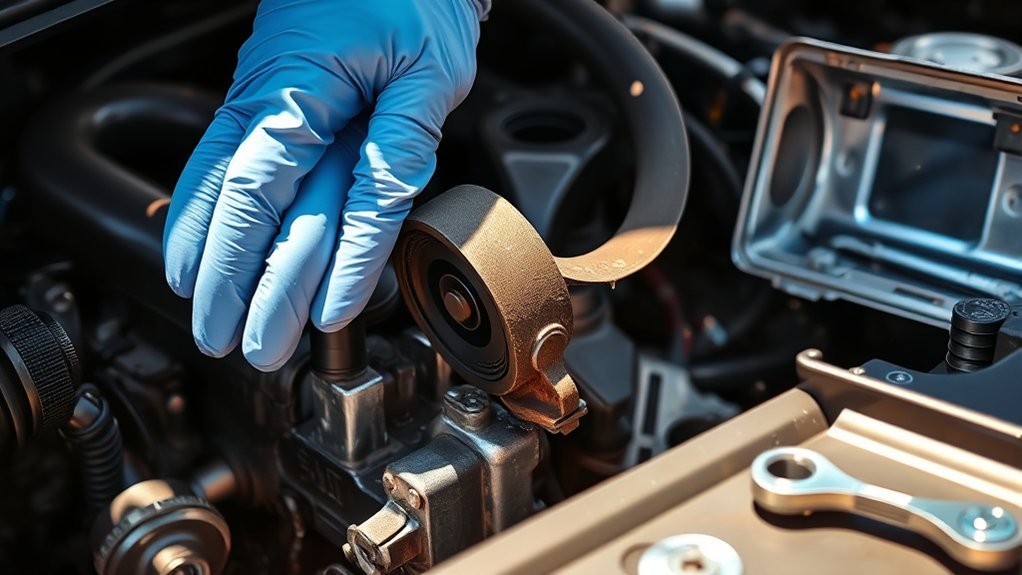
It’s interesting how a simple noise from your vehicle can coincide with a sudden drop in temperature at home. These symptoms often signal underlying issues that require your attention. Whether it’s a strange sound from your engine or an unexpected smell in your living space, recognizing these signs early can prevent costly repairs. So, what should you look for to guarantee everything runs smoothly? Let’s explore the critical indicators across various areas of maintenance.
Identifying Unusual Noises in Your Vehicle
Have you ever wondered what those strange sounds coming from your vehicle might mean? Identifying these noises is essential for maintaining your car’s performance and ensuring your safety.
A high-pitched squeal could indicate worn brake pads, while a grinding noise might suggest issues with your transmission. If you hear a knocking sound, it could be a sign of engine trouble, possibly due to low oil levels.
Listen for rattling when accelerating, which may point to loose components. Additionally, a hissing noise might mean a coolant leak.
Recognizing Strange Smells in Your Home
Strange smells in your home can signal serious issues that require immediate attention.
Musty odors may indicate mold growth, while the scent of gas could suggest a potentially dangerous leak.
Additionally, burning electrical smells often point to faulty wiring, which can pose fire hazards.
Musty Odors and Mold
When you notice a musty odor in your home, it often signals the presence of mold or mildew, which can pose health risks and structural issues.
Start by identifying the source; check damp areas like basements, bathrooms, and behind appliances. Look for visible mold growth or water damage, as these indicate moisture problems.
Address leaks immediately, as stagnant water fosters mold proliferation. Confirm proper ventilation in high-humidity areas to reduce moisture levels.
Regularly inspect and clean HVAC systems, as they can circulate mold spores throughout your home.
If the odor persists despite your efforts, consider consulting a professional for thorough mold remediation.
Prioritizing a mold-free environment not only protects your health but also preserves your home’s integrity.
Gas Leak Symptoms
Although it’s easy to overlook subtle changes in your home’s atmosphere, recognizing the symptoms of a gas leak is essential for your safety. A distinct sulfur or rotten egg odor is the most common indicator. If you notice this smell, act quickly.
Headaches, dizziness, or nausea can also signal exposure to gas. Pay attention to unusual hissing or whistling sounds near gas lines, as these may indicate a leak.
Additionally, if you see dead vegetation near gas lines or experience an unexplained increase in your gas bill, it’s time to investigate.
Burning Electrical Smells
Identifying burning electrical smells in your home can prevent serious hazards, as they often indicate overheating wires or faulty appliances. When you detect these odors, act immediately.
Here are some common sources to check:
- Overloaded outlets: Excessive devices plugged into one socket can generate heat.
- Frayed wires: Damaged insulation on cords can expose wires, leading to burning.
- Malfunctioning appliances: Devices emitting a burning smell may be failing internally.
- Electrical panels: A hot or acrid odor from your panel indicates potential issues.
If you notice any of these signs, disconnect power and consult a qualified electrician.
Timely action guarantees your safety and can prevent costly damage to your home. Stay vigilant and prioritize your environment’s safety.
Monitoring Changes in Appliance Performance
To guarantee your appliances operate efficiently, you need to monitor any unusual noises or sounds they produce.
Additionally, keep an eye on inconsistent temperature levels, as these can indicate underlying issues.
Early detection of these changes can prevent costly repairs and extend the lifespan of your appliances.
Unusual Noises and Sounds
Unusual noises from your appliances can signal underlying issues that may require immediate attention. Ignoring these sounds can lead to more severe problems down the line.
Pay close attention to any changes and identify the specific noises:
- Grinding: Often indicates worn bearings or a failing motor.
- Hissing: Could signal refrigerant leaks or pressure issues in HVAC systems.
- Buzzing: May point to electrical problems or malfunctioning components.
- Clanking: Often suggests loose parts or obstructions in moving mechanisms.
Inconsistent Temperature Levels
When your appliances fail to maintain consistent temperature levels, it can indicate various issues that need addressing. First, check the thermostat settings; incorrect calibration can lead to fluctuations.
If the thermostat is functioning properly, inspect the door seals for wear or damage—leaky seals can allow warm air in, disrupting temperature stability.
Additionally, make sure that vents and coils are clean and unobstructed; dust buildup can hinder airflow and cooling efficiency.
If these steps don’t resolve the issue, consider the compressor or refrigerant levels in refrigerators and freezers, as these components are crucial for consistent performance.
Regular maintenance and prompt identification of these symptoms can enhance your appliance’s lifespan and efficiency, ultimately liberating you from unexpected repairs.
Spotting Fluid Leaks and What They Mean
Have you ever noticed a puddle beneath your vehicle and wondered what it could mean? Identifying fluid leaks is vital for maintaining your vehicle’s health.
Each type of fluid can indicate specific issues:
- Oil: Dark brown or black, indicating engine wear or oil gasket failure.
- Coolant: Bright green or orange, suggesting a cooling system leak.
- Transmission Fluid: Reddish and slippery, hinting at transmission issues.
- Brake Fluid: Clear or yellow, signaling potential brake system failures.
Addressing these leaks promptly can prevent costly repairs and guarantee your vehicle operates smoothly.
Don’t ignore those puddles; understanding what they signify empowers you to take control of your vehicle’s maintenance.
Always consult a professional if you’re uncertain about the cause.
Understanding Warning Lights on Your Dashboard
Spotting fluid leaks is just one way to monitor your vehicle’s health; another important aspect is understanding the warning lights that illuminate your dashboard. Each light serves a specific purpose, alerting you to potential issues.
For example, a check engine light signals engine problems, while a battery warning indicates electrical system issues. Don’t ignore these signals; they’re your vehicle’s way of communicating its needs.
When a warning light activates, consult your owner’s manual for clarification. Some lights may require immediate attention, while others might be less urgent.
Regularly checking these indicators empowers you to address problems before they escalate, ensuring your vehicle remains safe and efficient on the road. Stay informed and proactive for a liberated driving experience.
Evaluating Tire Wear and Pressure Issues
How can you guarantee your tires are safe and performing at their best? Regularly evaluating tire wear and pressure is key.
Start by checking the tread depth; it should be at least 2/32 of an inch. Use the penny test: insert a penny with Lincoln’s head down—if you see all of Lincoln, replace the tire.
Next, inspect for uneven wear; this could indicate alignment issues. Maintain proper pressure—under-inflated tires wear faster and affect handling.
- Look for cracks or bulges on the sidewall.
- Check for stones or debris lodged in the tread.
- Monitor tire pressure monthly, especially before long trips.
- Rotate your tires every 5,000 to 7,500 miles to ascertain even wear.
Stay vigilant, and enjoy the freedom of the road!
Observing Changes in Home Temperature Regulation
Maintaining ideal tire performance is just one aspect of guaranteeing your vehicle functions efficiently; similar attention is needed for regulating home temperature.
Pay close attention to fluctuations in your home’s temperature. If you notice drafts or inconsistent heating and cooling, it’s time to investigate. Check your insulation, windows, and doors for air leaks. A malfunctioning thermostat can also disrupt your home’s climate control, so confirm it’s calibrated correctly.
Regularly clean or replace HVAC filters, as dirty filters restrict airflow and reduce efficiency. If you find areas that are too hot or too cold, consider zoning systems or ductwork adjustments.
Keeping an Eye on Your Lawn and Garden Health
As you cultivate your lawn and garden, keeping a watchful eye on plant health is essential for achieving a thriving landscape.
Regular inspections can help you identify issues before they escalate.
Conducting routine checks allows you to catch and address plant problems early, ensuring a vibrant garden.
Look for these key signs:
- Discoloration: Yellowing leaves may indicate nutrient deficiencies or overwatering.
- Wilting: Drooping plants can signal dehydration or root rot.
- Pest Activity: Noticeable insects or webbing can suggest infestations that need immediate action.
- Fungal Growth: Unusual spots or mold may point to excessive moisture or poor air circulation.
Frequently Asked Questions
How Often Should I Perform Routine Maintenance on My Vehicle?
You should perform routine maintenance on your vehicle every 5,000 to 7,500 miles, or every six months, whichever comes first. Regular checks guarantee peak performance, safety, and longevity, empowering you to drive confidently and freely.
What Are the Benefits of Regular Home Appliance Maintenance?
Regular home appliance maintenance acts like a well-tuned orchestra, harmonizing efficiency and longevity. It reduces energy costs, prevents breakdowns, and enhances performance, giving you peace of mind while liberating you from unexpected repairs.
Can Neglecting Maintenance Affect My Home’s Resale Value?
Yes, neglecting maintenance can greatly lower your home’s resale value. Potential buyers often perceive unmaintained systems as costly repairs, leading to lower offers or even deterring them altogether. Prioritize upkeep to protect your investment.
How Do Seasonal Changes Impact Lawn Care Routines?
Seasonal changes dictate your lawn care routines, requiring you to adjust mowing heights, alter watering schedules, and apply seasonal fertilizers. You’ll enhance your lawn’s health, promote growth, and guarantee resilience against environmental stressors.
What Tools Are Essential for DIY Home Maintenance Tasks?
You’ll need a versatile toolbox, including a drill, hammer, screwdriver set, pliers, utility knife, measuring tape, and level. These essential tools empower you to tackle various DIY home maintenance tasks efficiently and effectively.
Conclusion
By staying vigilant and attentive to the signs and symptoms outlined, you can catch issues before they snowball into costly repairs. Just like a watchful gardener tending to their plants, your proactive maintenance efforts will yield a flourishing vehicle, home, and appliances. Don’t let minor problems turn into major headaches; listen, look, and act swiftly. Your diligence today guarantees a smoother, safer tomorrow, allowing you to enjoy peace of mind in all aspects of your life.
