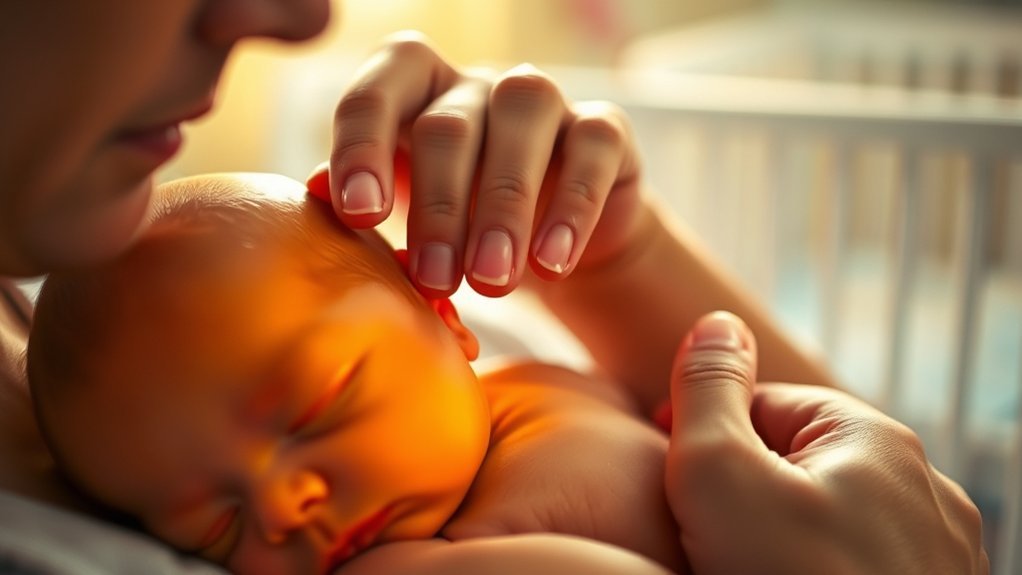
As a parent, noticing jaundice in your infant can be concerning. It’s that yellowing of the skin and eyes, which signals elevated bilirubin levels. Understanding the signs and what they mean for your baby’s health is essential. You might wonder about the causes and when to seek help. Let’s explore the symptoms and implications of jaundice, ensuring you’re well-informed to support your child’s well-being.
Understanding Jaundice: What Is It?
Jaundice is a condition characterized by a yellowing of the skin and eyes, resulting from an excess of bilirubin in the bloodstream. This excess often occurs when the liver can’t effectively process bilirubin, a byproduct of red blood cell breakdown. You may notice jaundice in your child shortly after birth, but it can also develop later due to various factors. While jaundice is common in newborns, it can signal underlying issues in older children. It’s vital to understand that jaundice isn’t a disease itself, but rather a symptom of another condition, such as liver disease or an infection. If you observe signs of jaundice, it’s important to consult a healthcare professional to determine the underlying cause and appropriate care for your child.
Recognizing the Symptoms of Jaundice
When you’re watching your baby for signs of jaundice, pay close attention to changes in skin color and any yellowing in the eyes. You might also notice feeding difficulties, which can be a concerning symptom. Recognizing these signs early can help guarantee your child receives the necessary care.
Skin Color Changes
One of the most noticeable signs of jaundice is a change in skin color, typically presenting as a yellowish tint. This yellowing can start subtly, often being most apparent on your baby’s face and then spreading to the chest and limbs. You might notice that the skin appears more yellow in natural light than indoors. It’s important to observe these changes closely, as they can indicate an underlying issue with bilirubin levels in the blood. If you suspect jaundice, don’t hesitate to consult your pediatrician. Early detection and intervention are vital for your baby’s health. Remember, you’re not alone; many parents face this, and your vigilance can make a significant difference in your child’s care and recovery.
Eye Yellowing Signs
A key indicator of jaundice in infants is the yellowing of the eyes, particularly the sclera, or the white part of the eye. This symptom typically appears when bilirubin levels rise, leading to a yellow tint. You should closely observe your baby’s eyes, especially in natural light, as the yellowing may be subtle at first. If you notice this change, it’s important to consult your pediatrician promptly. Early detection can help manage jaundice effectively and reduce potential complications. Keep in mind that while eye yellowing is a common sign, it’s essential to monitor other symptoms as well. Your vigilance can make a significant difference in your child’s health and well-being. Trust your instincts; don’t hesitate to seek medical advice.
Feeding Difficulties Noted
How can you tell if your baby is experiencing feeding difficulties related to jaundice? It’s essential to watch for certain signs that may indicate your little one is struggling. Feeding difficulties can manifest in a few key ways:
- Lethargy: Your baby may seem unusually sleepy or less active during feeding times.
- Weak suck: You might notice that your baby’s sucking reflex is weaker than normal.
- Frequent fussiness: If your baby becomes irritable or distressed while trying to feed, it could be a concern.
- Inadequate weight gain: Monitor your baby’s weight; a lack of weight gain might indicate feeding challenges.
If you observe these symptoms, it’s vital to consult your pediatrician for guidance and support.
Types of Jaundice in Newborns
While jaundice is a common condition in newborns, understanding its different types is vital for parents. One primary type is physiological jaundice, which typically appears within the first week and usually resolves on its own. Another type is pathological jaundice, which occurs due to underlying health issues, often requiring medical intervention. Breastfeeding jaundice can arise from inadequate feeding, leading to dehydration and elevated bilirubin levels. Finally, hemolytic jaundice results from blood group incompatibility between mother and baby. Recognizing these types helps you monitor your newborn’s health effectively. If you notice any signs of jaundice, consulting your pediatrician is essential for proper assessment and guidance. Early intervention can make a significant difference in your baby’s health and well-being.
Common Causes of Jaundice in Infants
Understanding the common causes of jaundice in infants is essential for any parent. Jaundice occurs when there’s a buildup of bilirubin in your baby’s blood, leading to a yellowish tint in their skin and eyes. Several factors contribute to this condition:
- Physiological jaundice: Common in newborns, it often resolves on its own as the liver matures.
- Breastfeeding jaundice: This may happen if your baby isn’t getting enough milk, leading to dehydration.
- Hemolytic disease: Conditions like Rh incompatibility can cause the body to break down red blood cells too quickly.
- Infections or liver issues: These can disrupt normal bilirubin processing.
Being aware of these causes can help you monitor your baby’s health effectively.
When to Seek Medical Attention
If your baby shows persistent yellowing of the skin or eyes, it’s essential to seek medical attention. Additionally, watch for any accompanying health concerns, such as poor feeding, lethargy, or unusual irritability. Early intervention can help guarantee your child’s well-being and address any underlying issues effectively.
Persistent Yellowing Symptoms
When your child exhibits persistent yellowing of the skin and eyes, it’s essential to seek medical attention promptly. This symptom can indicate underlying health issues that require immediate assessment. Look for these signs to help guide your decision:
- Yellowing that spreads beyond the face and eyes
- Dark urine or pale stools
- Changes in appetite or energy levels
- Unexplained irritability or fussiness
These persistent symptoms may suggest that your child’s liver or blood function is compromised. Don’t hesitate to consult a healthcare professional for a thorough evaluation. Early intervention can lead to better outcomes, ensuring your child receives the care they need. Remember, it’s always better to be cautious when it comes to your child’s health.
Accompanying Health Concerns
While yellowing of the skin and eyes is a significant indicator of potential liver issues, it’s essential to remain vigilant for other accompanying health concerns that may warrant immediate medical attention. Watch for symptoms like extreme fatigue, poor feeding, irritability, or changes in urine and stool color. If your child experiences fever, vomiting, or unusual bruising, these could signal a more serious condition. Pay close attention to any sudden changes in behavior or appetite, as these may indicate distress. If you notice any of these signs alongside jaundice, don’t hesitate to contact a healthcare professional. Early intervention can make a vital difference in your child’s health. Trust your instincts as a parent; seeking help is always the best course of action.
Diagnostic Tests for Jaundice
Diagnostic tests for jaundice are critical in determining the underlying cause of this condition in children. When your child exhibits jaundice, your doctor may recommend several diagnostic tests to assess bilirubin levels and overall liver function. These tests help pinpoint the issue and guide further care. You can expect:
- Blood tests to measure bilirubin levels and liver enzymes.
- Urine tests to check for bilirubin and signs of liver dysfunction.
- Ultrasound scans to visualize the liver and bile ducts.
- Liver biopsy if necessary, to examine liver tissue for disease.
Understanding these tests can help alleviate your concerns and guarantee your child receives the appropriate evaluation and attention they need during this time.
Treatment Options for Jaundice
When your child is diagnosed with jaundice, understanding the treatment options can be essential for their recovery. Phototherapy is commonly used to reduce bilirubin levels, while medications may help address underlying causes. Additionally, making certain dietary changes can support your child’s overall health during this time.
Phototherapy for Jaundice
Phototherapy is a common and effective treatment option for jaundice, particularly in newborns. This non-invasive procedure uses special lights to break down bilirubin in the baby’s bloodstream, helping to reduce yellowing of the skin and eyes. As a parent, you might witness:
- A cozy incubator or bed with bright blue lights surrounding your baby
- Your little one wearing protective eye patches to shield their sensitive eyes
- Regular monitoring by healthcare professionals ensuring ideal treatment
- A gradual improvement in your baby’s skin tone, signaling recovery
While phototherapy is generally safe, it’s essential to follow medical guidance closely. You’ll likely find comfort in knowing that this treatment has helped countless infants recover from jaundice effectively.
Medication Options Available
While phototherapy is a key treatment for jaundice, medication options also play an important role in managing this condition. Depending on the underlying cause of jaundice, your healthcare provider might recommend specific medications to help reduce bilirubin levels or address related issues.
| Medication Type | Purpose | Notes |
|---|---|---|
| Phenobarbital | Decreases bilirubin production | Used in some cases of neonatal jaundice |
| IV Immunoglobulin | Treats infections | Helpful in cases of hemolytic jaundice |
| Ursodeoxycholic Acid | Improves bile flow | Often used for cholestatic jaundice |
| Anti-inflammatories | Reduces inflammation | May be prescribed based on diagnosis |
Always consult with your pediatrician to determine the most appropriate medication for your child’s specific situation.
Dietary Changes Recommended
Understanding that dietary changes can greatly impact jaundice management is essential for parents maneuvering through this condition. A well-balanced diet can support liver function and promote healing. Here are some recommended dietary adjustments:
- Increase hydration: Encourage your child to drink plenty of water to help flush toxins.
- Incorporate fresh fruits and vegetables: Foods like spinach, carrots, and berries are rich in antioxidants.
- Choose lean proteins: Opt for chicken, fish, or legumes, which are easier on the liver.
- Limit fats and sugars: Avoid processed foods high in fats and sugars to reduce liver strain.
These dietary changes can play a critical role in your child’s recovery, providing necessary nutrients while supporting their overall health.
Home Care Tips for Managing Jaundice
Managing jaundice at home can feel overwhelming, but with the right approach, you can support your child’s recovery effectively. First, make sure your child stays well-hydrated, as proper fluid intake helps flush out bilirubin. Encourage frequent feedings, whether breast milk or formula, to promote bowel movements, which can aid in bilirubin elimination. Monitor your child’s skin and eye color daily, noting any changes. Maintain a comfortable environment with appropriate clothing and temperature to avoid overheating. If your baby seems unusually lethargic or has feeding difficulties, consult your pediatrician immediately. Finally, make sure regular follow-up appointments to track bilirubin levels and overall health. With attentive care, you can help your child navigate through this condition with greater ease.
Preventive Measures for Jaundice
Taking steps to prevent jaundice in newborns can greatly reduce its occurrence and impact on your child’s health. By being proactive, you can create a supportive environment for your baby. Here are some effective preventive measures to take into account:
- Ascertain proper feeding: Whether breastfeeding or formula-feeding, frequent feeding helps prevent dehydration and promotes bilirubin elimination.
- Monitor your baby’s weight: Regularly check your baby’s weight to ascertain they’re gaining appropriately, signaling good health.
- Expose your baby to sunlight: Gentle exposure to natural sunlight can aid in breaking down bilirubin; just be cautious to avoid overheating.
- Attend regular pediatric check-ups: Consistent monitoring by a healthcare professional helps detect jaundice early and manage any concerns effectively.
The Importance of Monitoring Your Baby’s Health
Monitoring your baby’s health is essential in ensuring their well-being and early detection of potential issues, including jaundice. Regularly checking your baby’s skin and eye color can help you identify any yellowing that may indicate rising bilirubin levels. It’s also crucial to observe feeding habits, as poor feeding can exacerbate jaundice. Pay attention to your baby’s energy levels and alertness; lethargy may signal a health concern. Keeping track of these signs empowers you to act quickly, seeking medical advice when necessary. Remember, early intervention often leads to better outcomes. By being proactive and attentive, you’re not just ensuring your baby’s health today, but setting the foundation for their long-term well-being. Always consult your pediatrician with any concerns.
Frequently Asked Questions
Can Jaundice Lead to Long-Term Health Issues in Infants?
Yes, jaundice can lead to long-term health issues in infants if untreated. Elevated bilirubin levels may cause brain damage or developmental delays. It’s essential to monitor and address jaundice promptly with your healthcare provider.
How Is Jaundice Different From Other Skin Conditions?
Jaundice, affecting over 60% of newborns, differs from other skin conditions as it’s caused by excess bilirubin. Unlike rashes or infections, jaundice indicates underlying liver function issues, necessitating careful monitoring and intervention when needed.
Are There Any Dietary Changes That Can Help Prevent Jaundice?
Eating a balanced diet rich in fruits, vegetables, and whole grains can support liver health. Staying hydrated and avoiding excessive fats and sugars may also help. Always consult your healthcare provider for personalized dietary advice.
Does Jaundice Occur in Older Children or Adults?
Yes, jaundice can occur in older children and adults. It often signals underlying health issues, such as liver dysfunction or hemolysis. If you notice symptoms, it’s essential to seek medical evaluation for further assessment.
What Role Does Breastfeeding Play in Jaundice Development?
Breastfeeding can influence jaundice development. When breastfeeding’s insufficient, dehydration or inadequate caloric intake may occur, leading to elevated bilirubin levels. It’s essential to monitor feeding patterns and consult a pediatrician if jaundice appears.
Conclusion
To summarize, recognizing jaundice in your newborn is essential for their health. For example, a baby named Mia showed early signs of jaundice, prompting her parents to seek medical advice. Their quick action led to effective treatment, ensuring Mia thrived. Always monitor your baby’s skin color, feeding habits, and behavior, and don’t hesitate to consult a healthcare professional if you have concerns. Your vigilance can make a significant difference in your child’s well-being.
