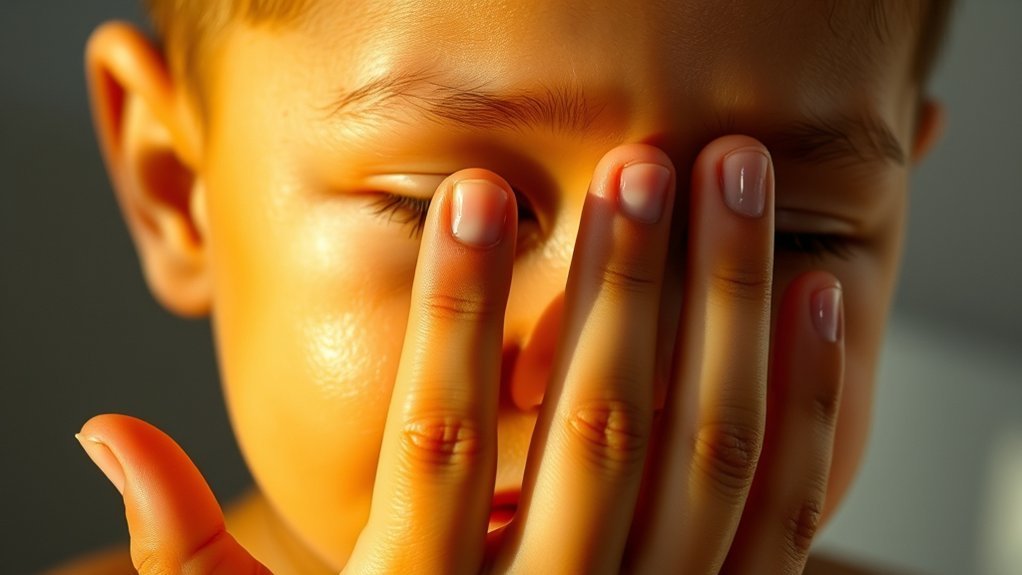
Jaundice is a condition that can signal underlying health issues, marked by yellowing of the skin and eyes. You might notice other symptoms like dark urine or pale stools, which can indicate the severity of the situation. Understanding what causes jaundice and how it’s diagnosed can be vital. But what should you do if you or someone you know shows these signs? The answers to these questions can make a significant difference.
What Is Jaundice?
Jaundice is a medical condition characterized by the yellowing of the skin and eyes, resulting from an excess of bilirubin in the bloodstream. This pigment, produced during the breakdown of red blood cells, typically undergoes further processing in the liver. When the liver’s ability to process bilirubin is impaired, or if there’s an obstruction in the bile ducts, bilirubin accumulates, leading to the distinct yellow coloration. You might notice other accompanying symptoms, such as dark urine and pale stools. It’s essential to recognize these signs early, as jaundice can indicate underlying health issues. If you observe these symptoms, consulting a healthcare professional promptly can help determine the cause and appropriate treatment for your condition.
What Causes Jaundice?
When the liver can’t effectively process bilirubin, various factors can lead to jaundice. One common cause is liver diseases, such as hepatitis or cirrhosis, which impair the liver’s ability to metabolize bilirubin. Hemolytic anemia, where red blood cells break down too quickly, also increases bilirubin levels. Obstructions in the bile ducts, caused by gallstones or tumors, can prevent bilirubin from exiting the liver, leading to a buildup. Certain medications may trigger liver damage or bile duct obstruction, contributing to jaundice as well. In newborns, physiological jaundice occurs due to immature liver function. Understanding these causes is essential for proper diagnosis and treatment. If you suspect jaundice, consult a healthcare professional for evaluation and guidance.
What Are the Common Symptoms of Jaundice?
Recognizing the common symptoms of jaundice is essential for early detection and treatment. The most noticeable sign is yellowing of the skin and the sclera (the whites of your eyes). You might also experience dark urine, which occurs due to bilirubin buildup. Additionally, you could notice pale or clay-colored stools, indicating a lack of bile reaching the intestines. Other symptoms may include fatigue, abdominal pain, and itching, which can arise from bile salt accumulation in your skin. If you have jaundice, you may also feel a loss of appetite and weight loss. Promptly identifying these signs can help you seek medical attention, leading to better outcomes and more effective management of the underlying condition.
How Is Jaundice Diagnosed?
Identifying symptoms like yellowing skin and dark urine often prompts further investigation into jaundice. To diagnose jaundice, your healthcare provider will start with a thorough medical history and physical examination. They’ll assess your skin color, check for abdominal tenderness, and review other symptoms. Blood tests are essential; they measure bilirubin levels and assess liver function. Additional tests, such as imaging studies like ultrasounds or CT scans, may be ordered to identify the underlying cause. In some cases, a liver biopsy might be necessary. By combining these diagnostic tools, your doctor can determine the type and cause of jaundice, guiding effective treatment options tailored to your condition.
When Should You Seek Medical Attention?
If you notice severe yellowing of your skin or eyes, it’s essential to seek medical attention immediately. Additionally, if you’re experiencing symptoms like fever, abdominal pain, or dark urine alongside jaundice, don’t wait to consult a healthcare professional. Timely intervention can be critical in addressing any underlying health issues.
Severe Yellowing Symptoms
When you notice severe yellowing of the skin or eyes, it’s crucial to seek medical attention promptly, as these symptoms often indicate an underlying health issue. Ignoring them can lead to serious complications. Pay close attention to the intensity of the yellowing, any accompanying symptoms, and how quickly the yellowing develops.
| Symptom | Urgency Level | Action Required |
|---|---|---|
| Mild Yellowing | Low | Monitor for changes |
| Moderate Yellowing | Medium | Schedule a doctor’s appointment |
| Severe Yellowing | High | Seek immediate medical attention |
Recognizing these levels can help you determine the urgency of your situation and guarantee you receive the necessary care.
Accompanying Health Issues
Noticing jaundice alongside other health issues can signal a more serious condition, so it’s essential to evaluate any accompanying symptoms carefully. If you experience fever, severe abdominal pain, dark urine, or pale stools, it’s time to seek medical attention. These symptoms might indicate liver dysfunction, bile duct obstruction, or hemolytic anemia. Additionally, if you notice rapid weight loss, confusion, or fatigue, don’t ignore these signs; they could represent underlying health problems that need immediate evaluation. Early diagnosis and treatment can greatly improve your outcomes. Always err on the side of caution and consult a healthcare professional if you’re unsure about your symptoms. Remember, timely intervention is critical in managing potential complications related to jaundice.
Can Jaundice Affect Children Differently?
Jaundice can manifest differently in children compared to adults, particularly in infants. You’ll notice specific symptoms that may indicate more severe underlying issues, potentially leading to long-term effects if not treated promptly. Understanding the appropriate treatment approaches is essential for ensuring your child’s health and development.
Symptoms in Infants
How can you tell if your infant is experiencing jaundice? Look for these key symptoms:
- Yellowing of the skin and eyes: This is often the most noticeable sign, typically seen first in the face and then spreading to the torso and limbs.
- Poor feeding or lethargy: If your baby seems less interested in feeding or is unusually sleepy, it could indicate jaundice.
- Dark urine or pale stools: These changes can signal liver issues associated with jaundice.
If you notice these symptoms, it’s essential to consult your pediatrician. Early detection and treatment can help manage the condition effectively, ensuring your infant’s health and well-being. Always keep an eye on any changes in your baby’s appearance or behavior.
Long-term Effects
While most infants recover from jaundice without complications, some may experience long-term effects that can impact their development. Elevated bilirubin levels can lead to kernicterus, a rare but serious condition that affects brain function. If untreated, this can result in developmental delays, hearing loss, or cognitive impairments. Children with a history of considerable jaundice may also face challenges in motor skills and coordination. It’s crucial to monitor these children closely during their early years. Regular developmental assessments can help identify any issues early, allowing for timely interventions. Parents should remain vigilant for signs of developmental delays and consult healthcare professionals if concerns arise. Early detection and support can greatly improve outcomes for affected children.
Treatment Approaches
When jaundice is diagnosed, the treatment approach can vary greatly based on the child’s age, the underlying cause, and the severity of bilirubin levels. You might encounter several methods to manage jaundice effectively:
- Phototherapy: This involves exposing the baby to special blue lights that help break down bilirubin in the skin.
- Exchange transfusion: In severe cases, this procedure replaces the baby’s blood with donor blood to quickly reduce bilirubin levels.
- Medication: Depending on the cause, doctors may prescribe medications to treat underlying conditions, such as infections or liver issues.
It’s essential to work closely with your healthcare provider to determine the best treatment plan tailored to your child’s specific situation. Early intervention can greatly improve outcomes.
What Are the Treatment Options for Jaundice?
What treatment options are available for jaundice? The approach depends on the underlying cause. If it’s due to liver disease, medications or lifestyle changes, like avoiding alcohol, may be recommended. For newborns with jaundice, phototherapy is often effective; it uses light to break down bilirubin in the skin. In cases of obstruction, such as gallstones, surgery might be necessary to relieve the blockage. If jaundice results from hemolytic anemia, treating the anemia directly can alleviate symptoms. You may also need hydration or blood transfusions in severe cases. Always consult with a healthcare professional to determine the most appropriate treatment plan based on your specific situation and health history.
How Can Jaundice Be Prevented?
Preventing jaundice mainly involves addressing the underlying causes and maintaining overall liver health. You can take proactive steps to minimize your risk by focusing on lifestyle choices and awareness of potential liver issues. Here are some key strategies:
- Maintain a Healthy Diet: Incorporate fruits, vegetables, and whole grains while limiting saturated fats and sugars to support liver function.
- Limit Alcohol Consumption: Excessive alcohol can damage your liver, so drink in moderation or avoid it altogether.
- Practice Safe Hygiene: Reduce the risk of hepatitis infections by ensuring proper hygiene and safe practices, especially when traveling or in high-risk environments.
Frequently Asked Questions
Can Jaundice Be a Sign of Liver Disease?
Yes, jaundice can indicate liver disease. When your liver isn’t functioning properly, it can’t process bilirubin effectively, leading to its buildup in your body. Monitoring your symptoms is essential for early intervention.
Is Jaundice Hereditary or Genetic?
Jaundice can have genetic roots, like a shadow lurking in your family tree. If you’ve got a history of inherited liver disorders, you might be at risk. It’s wise to consult a healthcare professional.
How Long Does Jaundice Typically Last?
Jaundice typically lasts from a few days to several weeks, depending on the underlying cause. In mild cases, it resolves quickly, but more severe conditions might prolong the symptoms, requiring medical evaluation and treatment.
Can Diet Influence Jaundice Symptoms?
Yes, your diet can influence jaundice symptoms. Consuming foods rich in antioxidants, staying hydrated, and avoiding alcohol may help support liver function, potentially alleviating some symptoms. However, always consult a healthcare professional for personalized advice.
Are There Any Home Remedies for Jaundice?
Think of your liver as a garden. You can nourish it with home remedies like turmeric, dandelion tea, and plenty of hydration. These can support liver function, but consult a doctor for serious jaundice concerns.
Conclusion
In conclusion, understanding jaundice is essential for recognizing its signs and seeking timely medical help. While many believe jaundice is just a cosmetic issue, it often indicates underlying health problems that require attention. Remember, if you notice pronounced yellowing of the skin or eyes, or experience other concerning symptoms, don’t hesitate to consult a healthcare professional. Early diagnosis and treatment can greatly improve outcomes, ensuring better health for you or your loved ones.
