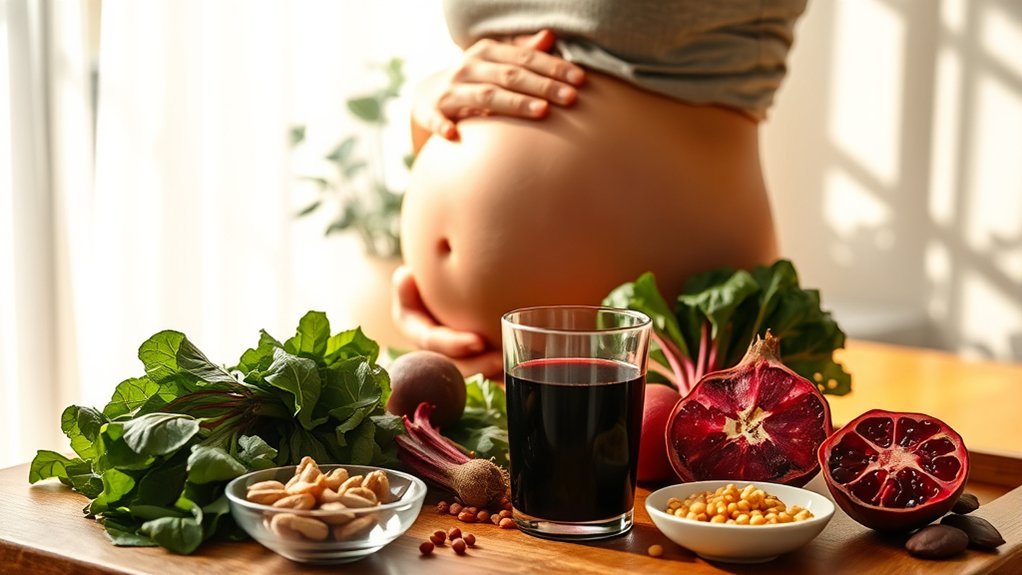
During pregnancy, maintaining adequate iron levels is vital for both your health and your baby’s development. Iron deficiency can lead to fatigue and other complications, so understanding where to find iron-rich foods is essential. You’ll discover that not all iron sources are equal, and how you prepare your meals can greatly impact absorption. Knowing these details can help you make informed choices about your diet and overall well-being. What might surprise you are the simple steps you can take to enhance your iron intake effectively.
Understanding Iron Deficiency in Pregnancy
As your body undergoes significant changes during pregnancy, it’s crucial to recognize the risk of iron deficiency, which can affect both you and your developing baby. During this period, your blood volume increases, requiring more iron to support the growing fetus and placenta. If you don’t consume enough iron, you may experience fatigue, weakness, and other symptoms of anemia. This deficiency can also hinder oxygen transport to your baby, leading to potential developmental issues. It’s important to monitor your iron levels through regular check-ups and consider your dietary intake. Foods rich in iron, such as lean meats, beans, and leafy greens, should be incorporated into your meals to help meet your increased needs and support a healthy pregnancy.
Importance of Iron for Mother and Baby
Iron plays an essential role in both your health and your baby’s development during pregnancy. It’s important for producing hemoglobin, the protein in your red blood cells that carries oxygen to your tissues and your growing baby. A sufficient iron level helps prevent anemia, which can lead to fatigue, weakness, and complications during labor. Additionally, iron supports your baby’s brain development and overall growth. Studies show that low iron levels in pregnant women may increase the risk of preterm birth and low birth weight. Ensuring you get enough iron not only boosts your energy but also contributes to a healthier pregnancy outcome. Prioritizing iron intake is crucial for both you and your baby’s well-being during this critical time.
Dietary Sources of Iron
When it comes to getting enough iron during pregnancy, it’s essential to know the difference between heme and non-heme iron sources. Heme iron, found in animal products, is more easily absorbed by your body, while non-heme iron comes from plant-based foods. A list of iron-rich foods can help you make informed choices to support your health and your baby’s development.
Heme Iron Sources
While many people may not realize it, heme iron plays an essential role in supporting your health during pregnancy. This type of iron, found in animal products, is more easily absorbed by your body compared to non-heme iron. Incorporating heme iron sources into your diet can help prevent anemia and support fetal development. Here are some excellent sources of heme iron to evaluate:
- Red Meat: Beef and lamb are rich in heme iron.
- Poultry: Chicken and turkey, especially dark meat, provide good amounts.
- Fish and Seafood: Tuna, salmon, and shellfish are great options.
- Organ Meats: Liver is particularly high in iron and also packed with nutrients.
Adding these foods to your meals can boost your iron levels effectively.
Non-Heme Iron Sources
Many plant-based foods and fortified products offer valuable non-heme iron sources that can help meet your nutritional needs during pregnancy. Foods like lentils, beans, tofu, and dark leafy greens are excellent choices. Whole grains, nuts, and seeds also contribute to your iron intake. Since non-heme iron isn’t absorbed as efficiently as heme iron, pairing these foods with vitamin C-rich options like citrus fruits, tomatoes, or bell peppers can enhance absorption. It’s important to be mindful of inhibitors, such as calcium and certain polyphenols found in tea and coffee, which can reduce iron absorption. Incorporating a variety of these non-heme sources into your diet will help guarantee you’re getting enough iron for both you and your growing baby.
Iron-Rich Foods List
To guarantee you’re meeting your iron needs during pregnancy, it’s essential to include a variety of iron-rich foods in your diet. Here’s a list of some excellent sources:
- Lean meats: Beef, lamb, and pork are rich in heme iron, which your body absorbs more efficiently.
- Poultry: Chicken and turkey provide good amounts of heme iron, making them great options.
- Seafood: Fish and shellfish, especially oysters and sardines, are not only tasty but also packed with iron.
- Legumes: Beans, lentils, and chickpeas are excellent non-heme sources, complementing your diet with fiber and protein.
Including these foods guarantees you’re on track to meet your iron requirements during this critical time.
Iron Supplements: When and How to Use Them
If you’re pregnant, understanding when and how to use iron supplements is essential for your health and your baby’s development. You’ll find various types of iron supplements available, each with specific dosage recommendations that can vary based on your individual needs. It’s also important to be aware of potential side effects, so you can make informed choices about your supplement regimen.
Types of Iron Supplements
When considering iron supplements, it’s essential to understand the different types available to meet your specific needs during pregnancy. Here are four common types:
- Ferrous Sulfate: This is the most widely used form, known for its effectiveness and affordability.
- Ferrous Gluconate: A gentler option on the stomach, it may cause fewer gastrointestinal side effects.
- Ferrous Fumarate: This type offers a higher iron content and is often well-tolerated.
- Heme Iron: Derived from animal sources, it’s more readily absorbed but might not be suitable for vegetarians.
Consult your healthcare provider to determine which type is best for you, considering your dietary preferences and any potential side effects.
Dosage Recommendations
Iron supplementation during pregnancy is essential, and knowing the right dosage can make all the difference. The recommended iron intake varies based on your trimester and individual needs. Generally, pregnant women should aim for 27 mg of iron daily. Here’s a quick reference guide:
| Trimester | Recommended Dosage | Notes |
|---|---|---|
| First Trimester | 27 mg | Focus on dietary sources |
| Second Trimester | 27 mg | Supplement if needed |
| Third Trimester | 27 mg | Monitor hemoglobin levels |
| Postpartum | 9-10 mg | Adjust based on lactation |
| Special Cases | Consult your doctor | Higher needs may apply |
Always discuss supplementation with your healthcare provider to guarantee you’re meeting your needs safely.
Potential Side Effects
While iron supplements can be beneficial during pregnancy, they can also lead to some potential side effects that you should be aware of. Understanding these effects can help you make informed decisions about your iron intake. Here are four common side effects:
- Nausea: You might feel queasy, especially if you take your supplement on an empty stomach.
- Constipation: Iron can slow down your digestive system, leading to discomfort or irregularity.
- Abdominal Pain: Some people experience cramping or discomfort in their stomach.
- Dark Stools: It’s normal for iron to change the color of your stool, but it can be alarming if you’re not expecting it.
If you experience severe side effects, consult your healthcare provider for guidance.
Tips for Enhancing Iron Absorption
To boost your body’s ability to absorb iron effectively, consider combining iron-rich foods with vitamin C sources. Foods like oranges, strawberries, and bell peppers can enhance iron absorption considerably. Try pairing spinach or beans with a citrus salad or a smoothie with berries. Additionally, avoid consuming calcium-rich foods or supplements at the same time as iron, as calcium can inhibit absorption. Limit your intake of coffee and tea during meals, too, since tannins in these beverages can also reduce iron absorption. Cooking in cast-iron pans can add iron to your meals, providing an extra boost. Finally, focus on eating a well-balanced diet that includes a variety of nutrients to support overall health during your pregnancy.
Managing Symptoms of Iron Deficiency
If you’re experiencing symptoms of iron deficiency during pregnancy, it’s crucial to address them promptly to secure both your health and your baby’s development. Here are some practical steps you can take:
- Consult Your Healthcare Provider: They can confirm the diagnosis and recommend appropriate iron supplements.
- Boost Your Diet: Incorporate iron-rich foods like lean meats, leafy greens, and legumes.
- Stay Hydrated: Drinking plenty of water can help alleviate fatigue and improve overall well-being.
- Monitor Symptoms: Keep track of how you feel and report any worsening symptoms to your doctor.
Taking these steps can help manage your symptoms effectively and promote a healthier pregnancy for you and your baby. Prioritize your health and don’t hesitate to seek help when needed.
Frequently Asked Questions
Can I Get Enough Iron From a Vegetarian Diet During Pregnancy?
Yes, you can get enough iron from a vegetarian diet during pregnancy. Focus on iron-rich plant foods, like legumes, nuts, seeds, and leafy greens, while pairing them with vitamin C sources to enhance absorption.
Are There Any Risks of Excessive Iron Intake While Pregnant?
Yes, excessive iron intake during pregnancy can lead to complications like constipation, nausea, and increased risk of infections. It could also cause organ damage. Always consult your healthcare provider to determine the right amount for you.
How Can I Tell if My Iron Levels Are Low?
You can tell if your iron levels are low by noticing symptoms like fatigue, paleness, dizziness, or shortness of breath. Blood tests can confirm deficiency, so consult your healthcare provider for accurate assessment and guidance.
What Are the Signs of Iron Deficiency Anemia in Pregnant Women?
If you’re experiencing fatigue, weakness, pale skin, or shortness of breath, you might be showing signs of iron deficiency anemia. It’s essential to consult your healthcare provider for proper diagnosis and treatment options.
Can Cooking in Cast Iron Pans Increase Dietary Iron?
Yes, cooking in cast iron pans can increase dietary iron. When you prepare acidic foods, like tomatoes, they can leach iron from the pan, enhancing your meal’s iron content and potentially benefiting your overall health.
Conclusion
In conclusion, ensuring adequate iron intake during pregnancy is essential for your health and your baby’s development. Did you know that pregnant women need about 27 mg of iron daily, nearly double the amount required for non-pregnant women? By focusing on heme and non-heme iron sources, taking supplements when necessary, and enhancing absorption with vitamin C, you can effectively combat iron deficiency. Stay proactive, monitor your symptoms, and always consult your healthcare provider for personalized advice.
