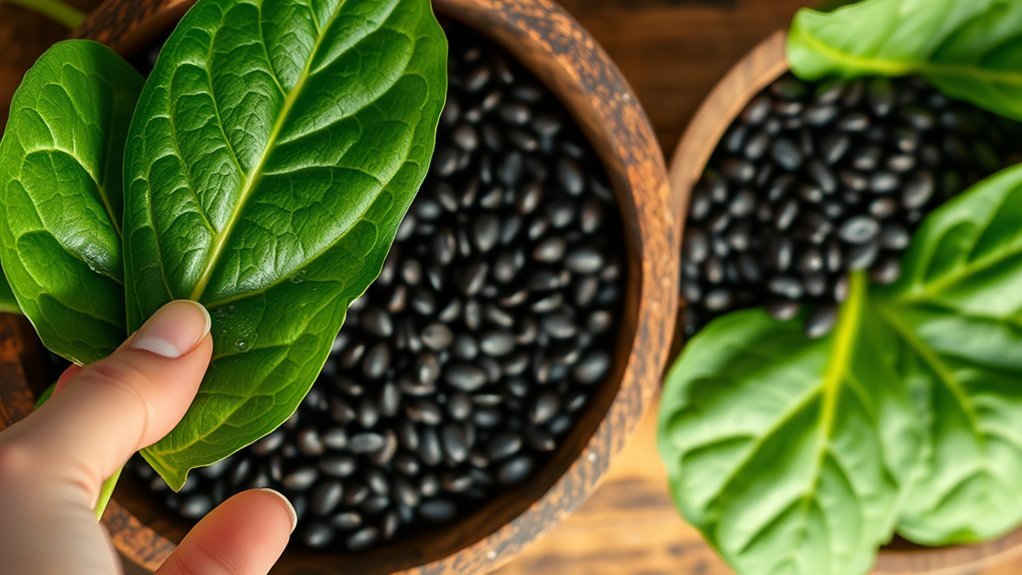
Iron is essential for your body, and a deficiency can lead to various symptoms like fatigue and dizziness. It’s important to recognize the signs early, especially if you’re at higher risk. Understanding the difference between heme and non-heme iron can help you make better dietary choices. Are you aware of the foods that can boost your iron levels or those that might hinder absorption? Let’s explore this further.
Understanding Iron Deficiency
When your body lacks sufficient iron, it can lead to a condition known as iron deficiency, which is more common than you might think. Iron plays an essential role in producing hemoglobin, the protein in red blood cells that carries oxygen. Without enough iron, your body struggles to meet its oxygen demands, affecting overall health. Factors like inadequate dietary intake, certain medical conditions, and increased needs during pregnancy can contribute to this deficiency. Foods rich in iron, such as red meat, poultry, fish, lentils, and spinach, can help replenish your stores. It’s important to monitor your iron intake, especially if you’re following a vegetarian or vegan diet, where iron sources may be limited. Prioritizing iron-rich foods can greatly impact your well-being.
Common Symptoms of Iron Deficiency
Iron deficiency can manifest through several common symptoms that may indicate your body’s need for more iron. You might experience fatigue, weakness, and pale skin, making daily tasks feel more challenging. Other signs include dizziness, shortness of breath, and cold hands or feet.
Here’s a quick overview of these symptoms:
| Symptom | Description |
|---|---|
| Fatigue | Persistent tiredness, lack of energy |
| Weakness | Decreased strength, feeling more fragile |
| Pale Skin | Lighter complexion than usual |
| Dizziness | Feeling lightheaded or faint |
| Cold Hands/Feet | Extremities feel unusually chilly |
If you notice these symptoms, it’s important to consult with a healthcare professional for proper evaluation and treatment.
Risk Factors for Iron Deficiency
Certain groups of people are more prone to iron deficiency due to various risk factors that can affect their iron levels. For instance, women of childbearing age face increased risk due to menstrual blood loss. Pregnant women also require more iron to support fetal development. Infants and young children often struggle to get enough iron from their diets, making them vulnerable. Additionally, vegetarians and vegans may lack sufficient iron if they don’t choose iron-rich plant sources. Finally, individuals with chronic illnesses, such as gastrointestinal disorders, may have trouble absorbing iron properly. If you belong to any of these groups, it’s crucial to monitor your iron levels and consult a healthcare professional for guidance on prevention and treatment.
Dietary Sources of Iron
When it comes to boosting your iron intake, understanding the different sources is key. Heme iron, found in animal products, is more easily absorbed by your body than non-heme iron from plant foods. Fortunately, you can also find plenty of iron-rich plant options to help meet your dietary needs.
Heme Iron Sources
While many people focus on plant-based iron sources, heme iron—found mainly in animal products—plays an essential role in maintaining healthy iron levels in your body. Heme iron is more efficiently absorbed than non-heme iron, making it vital for preventing iron deficiency. Excellent sources include red meat, poultry, and fish. For instance, beef and lamb are particularly rich in heme iron, while chicken and turkey offer moderate amounts. Seafood, such as oysters and sardines, also provide significant heme iron. Including these foods in your diet can enhance your overall iron intake, especially if you’re at risk of deficiency. Remember, balancing heme and non-heme sources can optimize your iron absorption and support your overall health.
Non-Heme Iron Foods
Non-heme iron, primarily found in plant-based foods, is another important source of dietary iron that can help you maintain healthy levels in your body. You’ll find it in foods like beans, lentils, tofu, spinach, and fortified cereals. These sources are essential, especially if you follow a vegetarian or vegan diet. It’s important to emphasize that non-heme iron isn’t absorbed as efficiently as heme iron, but you can enhance its absorption by pairing it with vitamin C-rich foods like citrus fruits, bell peppers, or tomatoes. Be mindful of substances that can inhibit absorption, such as calcium, tannins in tea, and phytates in grains. By incorporating diverse non-heme iron sources into your meals, you can support your overall health effectively.
Iron-Rich Plant Options
If you’re looking to boost your iron intake through plant-based options, several foods stand out as excellent sources. Legumes, such as lentils, chickpeas, and beans, are not only rich in iron but also high in protein and fiber. Dark leafy greens like spinach and kale provide a good amount of non-heme iron, especially when cooked. Quinoa and fortified cereals can also help you meet your iron needs. Don’t forget about nuts and seeds; pumpkin seeds and almonds are particularly beneficial. To enhance iron absorption, pair these foods with vitamin C-rich options like citrus fruits or bell peppers. By incorporating these iron-rich plant options into your diet, you’ll be on your way to supporting your overall health.
Heme vs. Non-Heme Iron
Understanding the differences between heme and non-heme iron is essential for maintaining ideal health, especially if you’re concerned about your iron intake. Heme iron, found in animal products like meat and fish, is easily absorbed by your body. It accounts for about 15-20% of the iron in your diet but is much more bioavailable compared to non-heme iron. Non-heme iron comes primarily from plant sources, such as beans, lentils, and spinach, making up about 80-85% of dietary iron. However, your body absorbs non-heme iron less efficiently, generally around 2-20%. When planning your meals, consider incorporating both types to optimize your iron levels, ensuring you get the nutrients necessary for good health and preventing potential deficiency.
Enhancing Iron Absorption
To enhance iron absorption, you can use specific dietary pairing strategies and cooking techniques. For instance, combining vitamin C-rich foods with iron sources can greatly boost absorption. Additionally, certain cooking methods, like using cast iron cookware, can further increase the iron content in your meals.
Dietary Pairing Strategies
While you might focus on including iron-rich foods in your diet, pairing them with certain other nutrients can greatly enhance absorption. Here are some effective dietary pairing strategies:
- Vitamin C: Include citrus fruits or bell peppers with meals to boost non-heme iron absorption.
- Animal Protein: Consuming meat, poultry, or fish alongside plant-based iron sources can enhance overall iron uptake.
- Avoid Calcium: Limit high-calcium foods or supplements during iron-rich meals, as they can hinder absorption.
- Polyphenols and Phytates: Be mindful of tea, coffee, and whole grains, which can inhibit iron absorption. Try to consume them between meals instead.
Cooking Techniques Impact
Cooking techniques can greatly influence the iron content of your meals, making it important to reflect on how you prepare food. For instance, cooking in cast iron pans can increase the iron levels in your dishes, especially acidic foods like tomatoes. Steaming vegetables instead of boiling them helps retain their nutrients, including iron. Additionally, using methods like sautéing and stir-frying can enhance nutrient absorption by ensuring that food cooks evenly without excessive water loss. Avoid using excessive dairy products during cooking, since calcium can inhibit iron absorption. Finally, incorporating vitamin C-rich ingredients, such as citrus or bell peppers, during cooking can further boost iron absorption from plant sources. By being mindful of these techniques, you can considerably enhance the iron content in your diet.
Foods to Avoid for Optimal Iron Levels
Although iron is essential for your health, certain foods can hinder its absorption, making it crucial to be mindful of your diet. Here are four types of foods you should avoid or limit for ideal iron levels:
- Dairy Products: Calcium competes with iron for absorption, so excessive dairy can be counterproductive.
- Coffee and Tea: These beverages contain tannins that can inhibit iron absorption, especially when consumed with meals.
- High-Fiber Foods: While fiber is beneficial, too much can interfere with iron uptake, particularly from plant sources.
- Phytate-Rich Foods: Foods like whole grains and legumes contain phytates that bind iron, reducing its availability.
Supplements and Iron Fortification
If you’re struggling to maintain healthy iron levels despite being mindful of your diet, supplements and iron fortification can provide valuable support. Iron supplements, commonly available as ferrous sulfate, ferrous gluconate, or ferrous fumarate, can effectively boost your iron intake. It’s important to follow recommended dosages and consult a healthcare professional before starting any supplement, as excessive iron can cause adverse effects.
Additionally, many foods are fortified with iron, including breakfast cereals, bread, and some plant-based milk. Choosing fortified options can help you reach your daily iron requirements more easily. Remember, combining iron-rich foods with vitamin C sources can enhance iron absorption, making your dietary efforts even more effective in achieving ideal iron levels.
Monitoring Iron Levels
Monitoring your iron levels is essential for maintaining overall health, especially if you’re at risk for deficiency. Regular check-ups can help you catch any issues early. Here are four key ways to monitor your iron levels effectively:
Monitoring your iron levels is crucial for overall health, particularly if you’re at risk of deficiency. Regular check-ups can help catch potential issues early.
- Blood Tests: Get a complete blood count (CBC) and serum ferritin test to measure iron levels and storage.
- Diet Tracking: Keep a food diary to verify you’re consuming adequate iron-rich foods.
- Symptom Awareness: Stay alert for signs of deficiency, like fatigue or weakness.
- Consult Healthcare Professionals: Regularly discuss your iron status with your doctor, especially if you’re experiencing symptoms or have dietary restrictions.
When to Seek Medical Advice
If you’re experiencing severe fatigue that doesn’t improve with rest, it’s important to consult a healthcare professional. Unusual breathing patterns can also signal underlying issues related to iron levels. Don’t hesitate to seek medical advice if you notice these symptoms, as early intervention can make a significant difference.
Severe Fatigue Indicators
While fatigue is a common experience, you should pay attention to certain indicators that may signal a more serious underlying issue, especially when it becomes severe and persistent. Here are four signs that warrant medical advice:
- Inability to complete daily tasks: If even simple activities feel overwhelming, it’s time to consult a professional.
- Unexplained weight loss: Losing weight without trying can indicate an underlying health problem.
- Prolonged fatigue: If you feel exhausted for weeks despite rest, seek help.
- Accompanying symptoms: Experiencing other symptoms like dizziness, shortness of breath, or chest pain alongside fatigue can be alarming.
Listening to your body is essential. Don’t hesitate to reach out to a healthcare provider if these indicators apply to you.
Unusual Breathing Patterns
Breathing is an automatic process, yet any noticeable changes in your breathing patterns can signal a need for medical attention. If you find yourself experiencing shortness of breath, rapid breathing, or wheezing, it’s essential to take these symptoms seriously. Unusual patterns may indicate underlying conditions, such as anemia resulting from iron deficiency. You should also consider seeking help if your breathing becomes shallow or you’re unable to catch your breath after mild exertion. Remember, it’s better to err on the side of caution. If these symptoms persist or worsen, consult a healthcare professional promptly. Early intervention can lead to better management of any potential issues related to your iron levels or overall respiratory health.
Frequently Asked Questions
Can Iron Deficiency Affect Mental Health or Cognitive Function?
Yes, iron deficiency can affect your mental health and cognitive function. It may lead to fatigue, difficulty concentrating, and mood changes. Ensuring adequate iron levels can help maintain both your cognitive abilities and emotional well-being.
How Does Pregnancy Influence Iron Requirements and Deficiency Risk?
During pregnancy, your iron requirements increase considerably, with about 27 mg needed daily. This heightened demand raises the risk of deficiency, as many women struggle to meet their nutritional needs through diet alone.
Are There Genetic Factors That Influence Iron Absorption?
Yes, genetic factors can influence iron absorption. Variations in genes responsible for iron metabolism, such as HFE, can affect how efficiently your body absorbs iron, impacting your risk for deficiency or overload.
What Role Does Vitamin C Play in Iron Metabolism?
Vitamin C’s like a trusty sidekick, enhancing iron absorption in your body. It converts iron into a more absorbable form, ensuring you get the most from your meals. Don’t underestimate its powerful role in iron metabolism!
Can Excessive Iron Intake Cause Health Issues?
Yes, excessive iron intake can cause health issues, including organ damage and increased risk of infections. It’s important to monitor your iron levels and consult a healthcare professional if you suspect an overload.
Conclusion
Incorporating iron-rich foods into your diet is like nurturing a garden; it requires attention and care to flourish. By recognizing the symptoms of iron deficiency and understanding your unique risk factors, you can take proactive steps to maintain healthy iron levels. Remember, a balanced diet with both heme and non-heme sources can help you thrive. If you’re ever in doubt about your iron intake or experience persistent symptoms, don’t hesitate to seek medical advice—it’s better to address issues early than let them grow.
