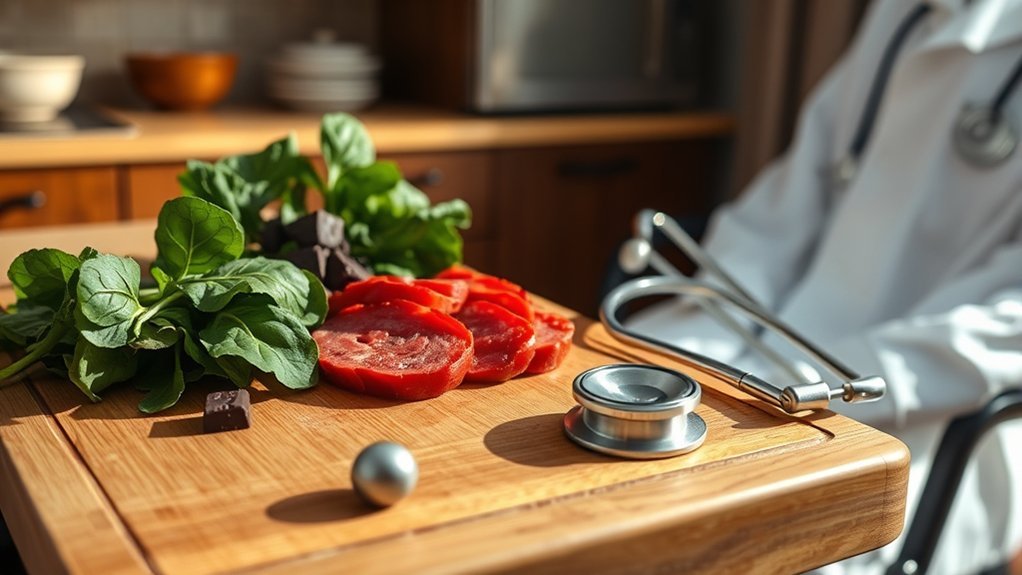
If you’re feeling unusually tired, have pale skin, or struggle with shortness of breath, it might be time to reflect on your iron intake. Iron plays an essential role in your body, and deficiencies can lead to serious health complications. Understanding the signs and risk factors is vital, especially if you belong to high-risk groups. So, when should you consult a doctor about your iron levels? Let’s explore the key points that can guide you.
Understanding Iron and Its Role in the Body
Iron is an essential mineral that your body needs to function properly, as it plays a key role in producing hemoglobin—the protein in red blood cells that carries oxygen throughout your body.
Iron is vital for your body, aiding in hemoglobin production to ensure efficient oxygen transport.
Without sufficient iron, your body can’t produce enough hemoglobin, leading to reduced oxygen transport and affecting your energy levels.
Iron also supports muscle function and helps your cells metabolize energy efficiently. It’s involved in the production of collagen, important for skin, cartilage, and bones.
Additionally, iron plays a role in cognitive function and immune health.
You get iron from dietary sources like red meat, poultry, fish, lentils, beans, and fortified cereals.
Understanding its importance can help you make better dietary choices to maintain ideal health.
Common Symptoms of Iron Deficiency
If you’re not getting enough iron, you might start noticing a range of symptoms that can affect your daily life.
Fatigue and weakness are among the most common signs, making it tough to stay active. You may also experience pale skin or brittle nails, which can be indicators of low iron levels.
Shortness of breath during routine activities is another symptom, as your body struggles to transport oxygen effectively. Additionally, you might find yourself feeling dizzy or lightheaded, especially when standing up quickly.
Some people also report unusual cravings for non-food items, a condition known as pica. If you’re experiencing these symptoms, it’s essential to reflect on your iron intake and consult a healthcare professional for further evaluation.
Risk Factors for Iron Deficiency
Various factors can increase your risk of developing iron deficiency, even if you’re aware of the symptoms.
For instance, women, especially during menstruation or pregnancy, often require more iron due to blood loss and increased needs for fetal development.
Vegetarians and vegans may also be at risk since plant-based diets can lack sufficient iron.
Additionally, individuals with gastrointestinal disorders, like celiac disease or Crohn’s disease, might struggle with iron absorption.
Frequent blood donors or those undergoing surgeries can lose iron, too.
Finally, older adults often have lower dietary iron intake and may face absorption issues.
Being mindful of these risk factors can help you take proactive steps to maintain healthy iron levels.
The Importance of Regular Blood Tests
Regular blood tests play an essential role in monitoring your iron levels and overall health.
These tests help detect iron deficiency or overload, allowing for timely intervention. When you check your hemoglobin and ferritin levels regularly, you can identify any imbalances before they lead to serious health issues.
Regularly checking hemoglobin and ferritin levels helps detect iron imbalances early, preventing serious health issues.
It’s vital to stay informed about your iron status, especially if you’re at risk for iron-related conditions. Blood tests also provide a thorough view of your health, revealing potential deficiencies in other nutrients.
By making regular testing a priority, you empower yourself to make informed decisions about your diet and lifestyle. Remember, catching issues early can greatly improve your long-term health and well-being.
Don’t hesitate to consult your doctor about the frequency of these tests.
Dietary Sources of Iron
Maintaining healthy iron levels isn’t just about monitoring your blood; it also involves understanding where to get this essential nutrient from your diet. Iron comes in two forms: heme and non-heme. Heme iron, found in animal products, is more easily absorbed. Non-heme iron, found in plant-based foods, is less absorbable but still important.
Here’s a quick overview of dietary sources:
| Food Source | Type of Iron | Iron Content (mg) |
|---|---|---|
| Red Meat | Heme | 2.7 |
| Chicken | Heme | 1.3 |
| Lentils | Non-heme | 3.3 |
| Spinach | Non-heme | 2.7 |
Incorporating a mix of these foods can help you maintain adequate iron levels.
Recommended Daily Allowance of Iron
Understanding your daily iron requirements is essential for maintaining good health. Depending on your age and gender, these needs can vary, so it’s important to know how much iron you should be getting.
In this section, we’ll review the recommended daily allowance and highlight key sources of iron to help you meet your nutritional goals.
Daily Iron Requirements
When it comes to your health, knowing the recommended daily allowance of iron is vital for preventing deficiencies. Your iron needs vary based on age, sex, and life stage. Below is a quick reference table for daily iron requirements:
| Age/Sex | Daily Iron Requirement |
|---|---|
| Children (1-3) | 7 mg |
| Children (4-8) | 10 mg |
| Adult Men | 8 mg |
| Adult Women (19-50) | 18 mg |
For postmenopausal women, the requirement drops to 8 mg. Pregnant women need 27 mg daily. Remember, getting the right amount of iron is vital for energy levels and overall health, so make sure you’re meeting these guidelines!
Iron Sources Overview
Iron is essential for your body, and knowing where to get it can make a significant difference in meeting your daily requirements.
The recommended daily allowance varies by age, gender, and life stage, but generally, adult men need about 8 mg, while women require 18 mg.
To help you meet your iron intake, consider these sources:
- Red meat: Beef and lamb are rich in heme iron, which is easily absorbed.
- Poultry: Chicken and turkey provide a good amount of iron.
- Fish: Tuna and salmon also contribute beneficial iron levels.
- Legumes: Beans, lentils, and chickpeas offer non-heme iron, though absorption is less efficient.
Incorporating these foods can help you achieve your iron goals effectively.
Signs That Indicate Low Iron Levels
If you’re feeling unusually fatigued or experiencing shortness of breath during everyday activities, it might be a sign that your iron levels are low. Other symptoms to watch for include pale skin, brittle nails, and unusual cravings for non-food items, known as pica. Here’s a quick reference table to help you identify these signs:
| Symptom | Description | Additional Notes |
|---|---|---|
| Fatigue | Persistent tiredness and weakness | May affect daily tasks |
| Shortness of Breath | Difficulty breathing during light activities | Can indicate anemia |
| Pale Skin | Noticeable lightening of skin tone | Often seen in face |
| Brittle Nails | Nails that break or chip easily | May appear spoon-shaped |
| Pica | Craving non-food items like dirt or ice | Can signal iron deficiency |
When to Seek Medical Advice
How do you know when it’s time to consult a doctor about your iron levels? If you’re experiencing symptoms or concerns regarding your iron intake, it’s vital to seek medical advice.
Here are some key indicators that warrant a doctor’s visit:
- Persistent fatigue that doesn’t improve with rest
- Unexplained shortness of breath during normal activities
- Frequent headaches or dizziness
- Pale skin or unusual cravings for non-food items (like dirt or ice)
These signs may indicate iron deficiency or other health issues.
It’s imperative not to self-diagnose; a healthcare professional can provide appropriate tests and guidance. Early intervention can help prevent complications and restore your well-being.
Always prioritize your health and don’t hesitate to ask for help.
Treatment Options for Iron Deficiency
If you’re facing iron deficiency, adjusting your diet can be an essential first step.
Incorporating iron-rich foods and understanding supplement options can greatly improve your iron levels.
Let’s explore these treatment strategies to help you regain your health.
Dietary Changes
Making dietary changes can markedly improve iron levels in your body, especially when you’re dealing with iron deficiency.
To enhance your iron intake, focus on incorporating iron-rich foods into your meals. Here are some effective options:
- Red meat: Beef and lamb are excellent sources of heme iron, which your body absorbs more easily.
- Poultry: Chicken and turkey provide a good amount of heme iron too.
- Leafy greens: Spinach and kale are great sources of non-heme iron, especially when paired with vitamin C-rich foods.
- Legumes: Beans, lentils, and chickpeas are fantastic for boosting iron while adding fiber to your diet.
Iron Supplements Options
When you’re struggling with iron deficiency, iron supplements can be an effective way to boost your levels quickly and efficiently. There are various options available, including ferrous sulfate, ferrous gluconate, and ferrous fumarate.
Ferrous sulfate is the most commonly recommended due to its high absorbability. It’s crucial to take these supplements with vitamin C to enhance absorption, so consider pairing them with orange juice or a vitamin C supplement.
Dosage varies, but most adults require 100-200 mg of elemental iron daily. Be aware of potential side effects like stomach upset or constipation.
Always consult a healthcare provider before starting any supplementation to determine the right type and dosage for your specific needs. They can help monitor your levels effectively.
Preventing Iron Deficiency in Your Diet
To prevent iron deficiency in your diet, it’s essential to incorporate a variety of iron-rich foods while being mindful of factors that enhance or inhibit iron absorption. Focus on both heme and non-heme iron sources.
- Include lean meats, poultry, and fish for heme iron.
- Add beans, lentils, and spinach for non-heme iron.
- Pair iron-rich foods with vitamin C sources like citrus fruits and bell peppers to boost absorption.
- Limit consumption of calcium-rich foods and tannin-containing beverages, such as tea and coffee, during meals to enhance iron uptake.
Frequently Asked Questions
Can Iron Supplements Cause Side Effects?
Yes, iron supplements can cause side effects like stomach upset, constipation, and nausea. If you experience severe symptoms, it’s best to consult your doctor to guarantee you’re taking the right dosage and supplement type.
How Long Does It Take to Correct Iron Deficiency?
It typically takes about three to six months to correct iron deficiency with proper supplementation and dietary changes. However, individual responses vary, so regular check-ups help monitor your progress and adjust treatment as needed.
Are There Interactions Between Iron and Medications?
Yes, there’re interactions between iron and certain medications. For instance, antacids can reduce iron absorption. It’s wise to consult your doctor or pharmacist to avoid any unintentional iron deficiency while taking your prescribed medications.
Can Cooking Methods Affect Iron Content in Food?
Yes, cooking methods can affect iron content in food. For instance, cooking in cast iron pans can increase iron levels, while boiling may cause some iron to leach into the water, reducing overall content.
Is Iron Deficiency More Common in Certain Age Groups?
Yes, iron deficiency is more common in certain age groups, particularly infants, adolescents, and women of childbearing age. Their increased nutritional needs or menstrual losses make them more susceptible to lower iron levels.
Conclusion
In your journey to maintain healthy iron levels, think of iron as the fuel that powers your body’s engine. Just as a car sputters without gas, you might feel fatigued and weak without enough iron. If you notice signs of deficiency, don’t hesitate to consult a doctor. Regular check-ups and a balanced diet rich in iron can keep your engine running smoothly, ensuring you stay active and vibrant. Prioritize your health – it’s the key to a thriving life.
