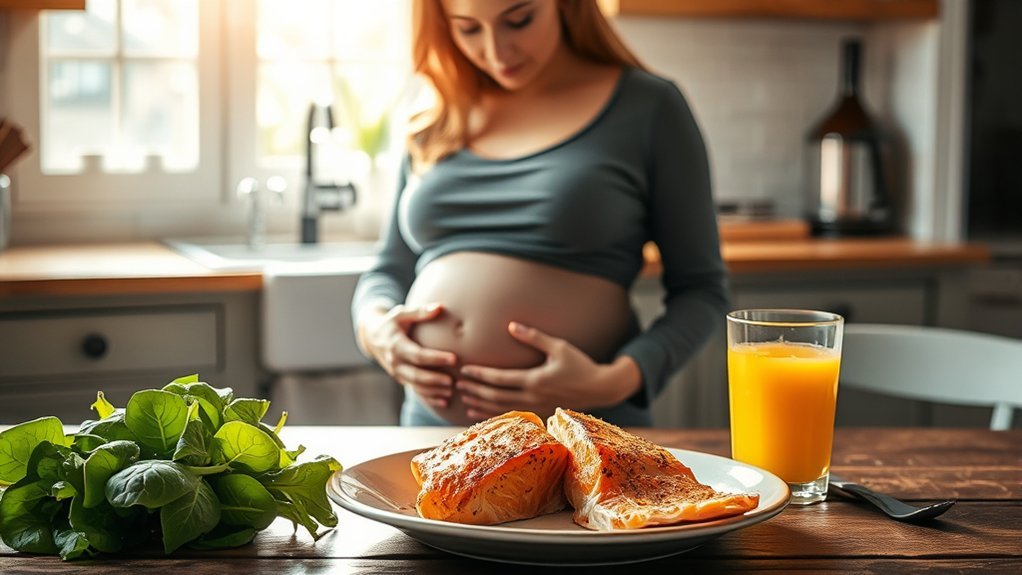
During your pregnancy, you might have heard that many women experience fatigue due to low iron levels. It’s essential to understand how important iron is for both your health and your baby’s development. Ensuring you get enough iron can help prevent anemia and its complications. So, how do you know if you’re getting the right amount, and what can you do to boost your intake? Let’s explore the essentials of iron during this important time.
The Importance of Iron During Pregnancy
When you’re pregnant, ensuring adequate iron intake is essential for both you and your developing baby.
Iron plays a vital role in forming hemoglobin, the protein in red blood cells that carries oxygen. During pregnancy, your blood volume increases considerably, and your body needs more iron to support this growth.
Insufficient iron can lead to fatigue, compromised immune function, and developmental issues for your baby. Aim for around 27 mg of iron daily, which can be achieved through a balanced diet rich in lean meats, beans, and fortified cereals.
Insufficient iron during pregnancy can cause fatigue and developmental issues for your baby; aim for 27 mg daily through a balanced diet.
Additionally, pairing iron-rich foods with vitamin C sources, like oranges or bell peppers, enhances absorption.
Understanding Iron Deficiency Anemia
Although iron deficiency anemia mightn’t be at the forefront of your mind during pregnancy, it’s crucial to understand its implications. This condition occurs when your body lacks enough iron to produce adequate hemoglobin, the protein in red blood cells that carries oxygen.
Symptoms can include fatigue, weakness, and pale skin, which can affect your overall well-being and energy levels. During pregnancy, your iron needs increase considerably to support your growing baby and placenta.
If left untreated, iron deficiency anemia can lead to complications like preterm birth or low birth weight. By being aware of the signs and seeking medical advice, you can take proactive steps to maintain your iron levels, ensuring a healthier pregnancy for both you and your baby.
Recommended Iron Intake for Expectant Mothers
Iron intake during pregnancy is essential for both your health and your baby’s development.
The recommended dietary allowance (RDA) for iron increases considerably during pregnancy, rising to 27 mg per day. This boost is important because your body needs extra iron to support the growing fetus and increased blood volume.
The RDA for iron during pregnancy is 27 mg per day to support fetal growth and increased blood volume.
If you’re under 18 or pregnant with multiples, your needs may be even higher. It’s critical to monitor your intake and discuss any concerns with your healthcare provider.
They might recommend iron supplements if you’re at risk for deficiency. By ensuring adequate iron intake, you’re taking an important step toward a healthy pregnancy and supporting your baby’s growth and development.
Dietary Sources of Iron
To guarantee you meet your iron needs during pregnancy, it’s important to include a variety of dietary sources rich in this essential mineral.
Animal-based foods are excellent options, as they contain heme iron, which your body absorbs more efficiently. Consider lean meats, poultry, and fish.
If you prefer plant-based sources, focus on legumes, beans, lentils, tofu, and dark leafy greens like spinach and kale. Nuts and seeds, along with fortified cereals, can also help boost your intake.
Pairing these foods with vitamin C-rich items like oranges or bell peppers can enhance iron absorption.
Remember to maintain a balanced diet, and consult with your healthcare provider for personalized advice to guarantee you’re meeting your nutritional needs during this critical time.
Supplements and Treatment Options
When it comes to boosting your iron intake during pregnancy, understanding the types of iron supplements available is essential.
You’ll want to know the recommended dosages and how they can complement dietary sources of iron.
This knowledge can help you make informed choices to support your health and your baby’s development.
Types of Iron Supplements
Choosing the right type of iron supplement can greatly impact your health during pregnancy. There are several options available, including ferrous sulfate, ferrous gluconate, and ferrous fumarate.
Ferrous sulfate is the most commonly prescribed, as it’s effective and widely studied. Ferrous gluconate is often gentler on the stomach, making it suitable if you experience gastrointestinal discomfort. Ferrous fumarate is another alternative, offering a higher percentage of elemental iron.
When selecting a supplement, consider factors like absorption rates and potential side effects. It’s also essential to consult your healthcare provider to determine which type best meets your needs.
Dosage Recommendations
Proper iron intake during pregnancy is essential, with most healthcare providers recommending a daily dosage of 27 mg of elemental iron. This amount helps support both your growing baby and your body’s increased blood volume.
If you’re diagnosed with iron deficiency anemia, your doctor might suggest a higher dosage, typically between 60-120 mg. Always consult your healthcare provider before starting any supplement; they can guide you based on your specific needs and health status.
Taking iron supplements with vitamin C can enhance absorption, so consider pairing them with a glass of orange juice.
Dietary Sources of Iron
Although supplements can help meet your iron needs during pregnancy, getting iron from dietary sources is often the best approach. Foods rich in heme iron, like red meat, poultry, and fish, are more easily absorbed by your body.
If you prefer plant-based options, focus on non-heme iron sources, such as lentils, beans, tofu, spinach, and fortified cereals. Pairing these foods with vitamin C-rich items like citrus fruits or bell peppers can enhance iron absorption.
Don’t forget about nuts and seeds, which also provide beneficial nutrients. Aim for a balanced diet that includes a variety of these foods to support both your health and your baby’s development.
If you have concerns about your iron intake, consult your healthcare provider for personalized advice.
Tips for Enhancing Iron Absorption
To enhance iron absorption during pregnancy, it’s essential to take into account both dietary choices and meal timing. Incorporating vitamin C-rich foods, like oranges and bell peppers, can greatly boost iron absorption. Avoid consuming calcium-rich foods or beverages, such as dairy products, at the same time as iron-rich meals, as calcium can inhibit absorption. Additionally, cooking in cast iron cookware might increase the iron content of your food.
Here’s a quick reference table for your meal planning:
| Foods to Pair | Foods to Avoid Together |
|---|---|
| Citrus fruits | Dairy products |
| Bell peppers | Spinach (in large amounts) |
| Tomatoes | High-calcium foods |
| Broccoli | Coffee and tea |
Making these changes can help guarantee you’re getting the iron you need.
Frequently Asked Questions
Can Excessive Iron Intake Harm My Pregnancy?
Yes, excessive iron intake can harm your pregnancy. It may lead to complications like gestational diabetes, preterm birth, and other health issues. Always consult your healthcare provider to guarantee you’re getting the right amount.
How Does Iron Deficiency Affect Fetal Development?
Iron deficiency can lead to inadequate oxygen delivery to your fetus, affecting growth and brain development. It may increase the risk of low birth weight and premature delivery, impacting your baby’s overall health and future development.
Are There Symptoms of Iron Overload During Pregnancy?
Yes, symptoms of iron overload during pregnancy can include fatigue, abdominal pain, joint pain, and skin changes. It’s essential to monitor your iron levels and consult your healthcare provider if you experience these symptoms.
Can I Test My Iron Levels at Home?
You can’t reliably test your iron levels at home. Home tests often lack accuracy. Instead, consider visiting a healthcare provider for precise results and tailored advice on managing your iron levels effectively and safely.
What Are the Long-Term Effects of Iron Deficiency Postpartum?
Long-term effects of iron deficiency postpartum can include fatigue, weakened immunity, cognitive issues, and increased risk of depression. It’s important to monitor your iron levels and consult your healthcare provider for appropriate treatment.
Conclusion
To sum up, prioritizing iron intake during pregnancy is essential for both you and your baby’s health. By focusing on a balanced diet and considering supplements when needed, you can guarantee adequate iron levels. Remember, pairing iron with vitamin C is like giving your body a power-up, enhancing absorption and overall benefits. So, stay informed and proactive about your iron needs, and you’ll pave the way for a healthier pregnancy journey. Your little one will thank you for it!
