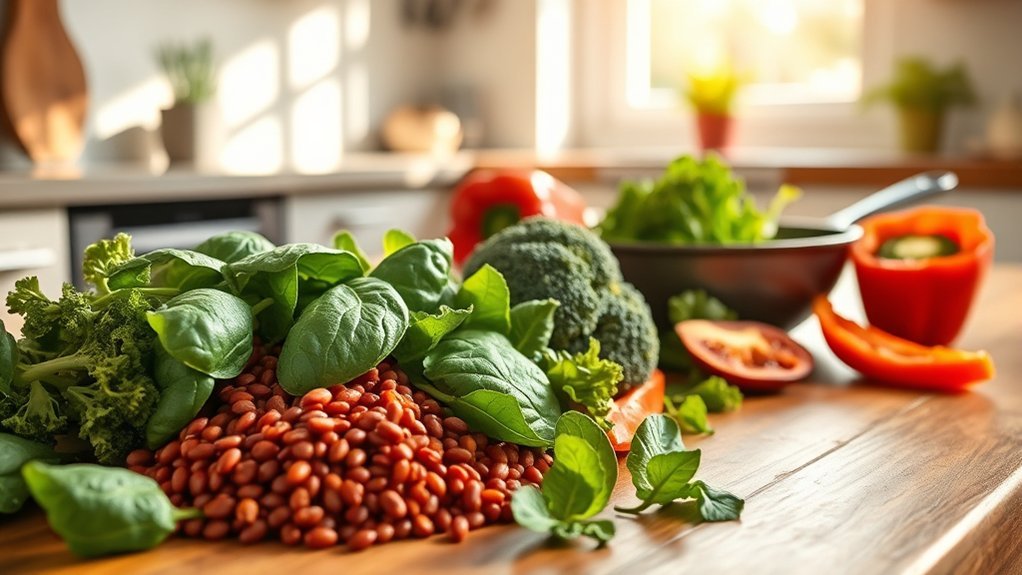
Did you know that about 30% of the world’s population is affected by iron deficiency? Understanding your individual iron needs is essential for maintaining ideal health. Incorporating iron-rich foods into your diet can make a significant difference, but it’s not just about what you eat. There are key factors that can enhance or inhibit iron absorption, and knowing these can empower you to take control of your health effectively.
Understand Your Iron Needs
Understanding your iron needs is essential for maintaining ideal health, especially since both deficiency and excess can lead to serious issues. Iron plays a critical role in oxygen transportation and energy production.
Understanding your iron needs is crucial for health, as both deficiency and excess can lead to significant problems.
The Recommended Dietary Allowance (RDA) varies by age, sex, and life stage, with adult men needing about 8 mg daily and women requiring 18 mg, particularly during menstruation. Pregnant women need even more, around 27 mg.
To assess your iron levels, consider discussing a blood test with your healthcare provider. Symptoms of deficiency include fatigue and weakness, while excess iron can cause damage to organs.
Monitoring your intake through a balanced diet or supplements can help you meet your personal iron requirements effectively.
Incorporate Iron-Rich Foods
To meet your iron needs, incorporating iron-rich foods into your diet is key. Including a variety of sources can help you maintain healthy iron levels. Here are some excellent options to evaluate:
- Red meat: Beef and lamb are great sources of heme iron, which your body absorbs easily.
- Poultry: Chicken and turkey provide good amounts of heme iron as well.
- Fish: Tuna, salmon, and sardines aren’t only rich in iron but also offer healthy omega-3 fatty acids.
- Legumes: Lentils, chickpeas, and beans offer non-heme iron, perfect for vegetarians and vegans.
- Leafy greens: Spinach, kale, and Swiss chard are packed with iron and other essential nutrients.
Optimize Iron Absorption
To optimize iron absorption, you should pair iron-rich foods with vitamin C sources like citrus fruits or bell peppers.
Avoid consuming calcium-rich foods at the same meal, as calcium can inhibit iron absorption.
Additionally, combining non-heme iron with heme iron from animal sources can enhance your overall iron intake.
Consume Vitamin C
Boosting your iron absorption can be as simple as adding vitamin C to your meals. This essential vitamin enhances the uptake of non-heme iron, which is found in plant-based foods. By incorporating vitamin C-rich foods into your diet, you can greatly improve your iron levels.
Here are some great options to bear in mind:
- Oranges
- Strawberries
- Bell peppers
- Broccoli
- Kiwi
Pairing these foods with iron-rich meals can make a considerable difference. For instance, enjoy a spinach salad topped with strawberries or a stir-fry with bell peppers and tofu.
Avoid Calcium-Rich Foods
While calcium is essential for bone health, it can inhibit iron absorption when consumed in large amounts during meals.
If you’re trying to boost your iron intake, consider timing your calcium-rich foods carefully. Dairy products, leafy greens, and fortified foods are great sources of calcium, but they can compete with iron for absorption.
To optimize your iron levels, space out your consumption of these foods. Aim to have calcium-rich meals separately from iron-rich meals, ideally a few hours apart.
This simple strategy can notably enhance your body’s ability to absorb iron from plant-based sources or supplements. By being mindful of your calcium intake, you’ll improve your overall nutrition and support your iron levels more effectively.
Pair With Heme Iron
If you want to enhance your iron absorption, pairing non-heme iron sources with heme iron can be a game changer. Heme iron, found in animal products, is more efficiently absorbed by your body than non-heme iron from plant sources.
By combining these two types, you can greatly boost your iron levels.
Here are some effective combinations:
- Spinach (non-heme) with grilled chicken (heme)
- Lentil soup (non-heme) with a side of beef
- Quinoa salad (non-heme) topped with salmon (heme)
- Chickpeas (non-heme) served with shrimp (heme)
- Tofu stir-fry (non-heme) alongside pork (heme)
Incorporating these pairings into your meals can help you meet your iron needs more effectively.
Be Mindful of Inhibitors
When you’re focusing on iron intake, it’s essential to take into account dietary components that inhibit absorption, like calcium and polyphenols.
The timing of your iron consumption also plays a significant role; pairing it with vitamin C can enhance absorption.
Additionally, the cooking methods you choose can either help or hinder your body’s ability to utilize iron effectively.
Dietary Components That Inhibit
Certain dietary components can greatly inhibit iron absorption, so it’s crucial to be mindful of what you consume alongside iron-rich foods.
Consuming inhibitors can reduce the effectiveness of the iron you’re trying to absorb, leading to potential deficiencies. Here are some key components to watch out for:
- Calcium: Found in dairy products, it competes with iron for absorption.
- Phytates: Present in whole grains and legumes, they can bind to iron and limit its availability.
- Polyphenols: Found in tea, coffee, and some fruits, they may hinder iron absorption.
- Oxalates: Found in spinach and certain nuts, they can also bind iron.
- Fiber: While healthy, excessive fiber can interfere with iron absorption.
Being aware of these components can help you optimize your iron intake.
Timing of Iron Consumption
To optimize iron absorption, it’s essential to take into account not just what you eat, but also when you eat it. Consuming iron-rich foods alongside certain inhibitors can greatly reduce your absorption rates. Timing your intake can help you maximize benefits.
Here’s a quick reference:
| Time of Day | Recommended Foods |
|---|---|
| Breakfast | Eggs, fortified cereals |
| Lunch | Lean meats, legumes |
| Dinner | Fish, dark leafy greens |
| Snacks | Nuts, vitamin C-rich fruits |
For example, avoid drinking tea or coffee during meals—these beverages contain polyphenols that hinder iron absorption. Instead, enjoy them between meals to guarantee you’re getting the most out of your iron sources.
Cooking Methods Matter
Choosing the right cooking methods can considerably impact your iron intake and absorption. Certain cooking techniques can enhance or inhibit iron bioavailability.
To maximize your iron absorption, consider the following tips:
- Use cast iron cookware: Cooking in cast iron can increase the iron content of your food.
- Avoid high-calcium foods: Calcium competes with iron for absorption, so keep dairy separate from iron-rich meals.
- Limit tea and coffee during meals: These beverages contain polyphenols that can hinder iron absorption.
- Incorporate vitamin C: Pairing iron-rich foods with vitamin C sources boosts absorption.
- Opt for steaming or sautéing: These methods preserve nutrients better than boiling.
Consider Iron Supplements
If you’re struggling to meet your daily iron needs through diet alone, considering iron supplements might be a practical solution. Many people, especially vegetarians, pregnant women, and those with certain health conditions, find it challenging to consume enough iron through food sources.
Iron supplements come in various forms, such as ferrous sulfate and ferrous gluconate, and can help bridge this gap. However, it’s essential to consult a healthcare professional before starting any supplement regimen. They can recommend the right dosage and monitor for potential side effects, such as gastrointestinal discomfort.
Additionally, combining supplements with vitamin C can enhance absorption. Remember, supplements should complement a balanced diet, not replace it. Prioritize whole foods whenever possible for best health.
Monitor Your Iron Levels
Monitoring your iron levels is key to maintaining ideal health, especially if you’re using supplements to boost your intake. Regular checks can help you avoid both deficiencies and excess iron, which can lead to health issues.
Here are some effective ways to keep track of your levels:
- Get periodic blood tests to measure serum ferritin and hemoglobin.
- Keep a food diary to track your dietary iron intake.
- Notice symptoms like fatigue, weakness, or paleness, which can indicate low iron.
- Be aware of high-iron foods and supplements that may cause overload.
- Stay informed about your body’s iron needs, which can vary with age, gender, and health conditions.
Consult With a Healthcare Professional
Consulting with a healthcare professional is essential, especially when managing your iron intake. They can help assess your current iron levels through blood tests and determine if you need to adjust your diet or take supplements.
Consulting a healthcare professional is crucial for assessing your iron levels and managing your intake effectively.
It’s important to understand that too little iron can lead to anemia, while too much can cause toxicity. A healthcare provider can guide you on the right amount of iron for your specific needs, considering factors like age, gender, and overall health.
They can also recommend dietary sources rich in iron, such as lean meats, beans, and fortified cereals, or advise on supplement options if necessary. Regular check-ups guarantee you maintain healthy iron levels without risking complications.
Don’t hesitate to reach out for personalized advice.
Frequently Asked Questions
Can I Get Enough Iron From a Vegetarian Diet?
Yes, you can get enough iron from a vegetarian diet. Focus on consuming legumes, nuts, seeds, whole grains, and dark leafy greens, and pair them with vitamin C-rich foods to enhance absorption effectively.
What Symptoms Indicate Iron Deficiency?
You might notice symptoms like fatigue, weakness, pale skin, shortness of breath, dizziness, or brittle nails if you’re iron deficient. If you experience these, consider discussing your diet and health with a healthcare professional.
How Does Iron Affect Energy Levels?
Iron’s essential for energy production; it helps transport oxygen in your blood. When you’re low on iron, you may feel fatigued and weak, making everyday tasks more challenging and decreasing your overall vitality and endurance.
Are There Side Effects of Taking Iron Supplements?
Taking iron supplements can cause side effects, like an unexpected storm disrupting a calm day. You might experience stomach upset, constipation, or nausea. It’s important to monitor your body’s reactions and consult a healthcare professional if needed.
What Foods Are High in Vitamin C for Better Absorption?
You’ll find high vitamin C foods like oranges, strawberries, kiwi, bell peppers, and broccoli. Incorporating these into your meals enhances iron absorption, making it easier for your body to utilize the nutrients effectively.
Conclusion
By understanding your iron needs and incorporating iron-rich foods into your diet, you can keep your body running like a well-oiled machine. Don’t forget to enhance absorption by pairing these foods with vitamin C and avoiding calcium-rich items during meals. If necessary, iron supplements can be a helpful boost, but always consult with a healthcare professional. Regularly monitoring your iron levels helps guarantee you’re on the right track for maintaining ideal health and vigor!
