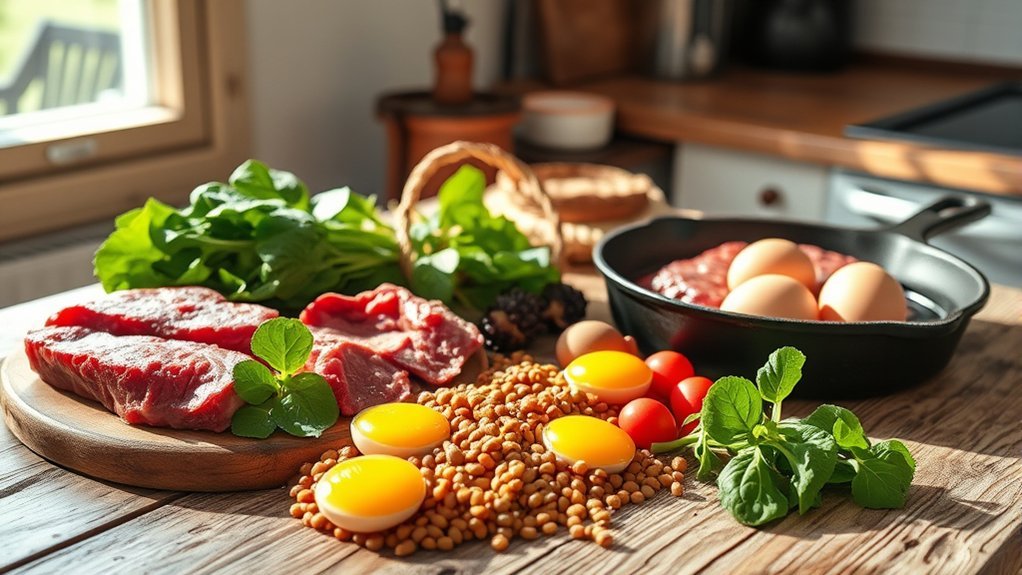
You might think red meat is your only option for iron, but that’s a common myth. In fact, many plant-based foods also offer significant iron, just in a different form. Understanding the types of iron and how to enhance absorption can make a big difference in your diet. Curious about how to optimize your iron intake and what signs to watch for if you’re deficient? Let’s explore the facts together.
Understanding Iron: What It Is and Why We Need It
Iron is an essential mineral that plays a significant role in your body, particularly when it comes to transporting oxygen in your blood. Without adequate iron, your body can’t produce enough hemoglobin, the protein in red blood cells responsible for this important task. This can lead to fatigue, weakness, and impaired cognitive function.
Your body also relies on iron for energy production and immune system support. Ensuring you get enough iron is essential, especially for women, athletes, and growing children, who’ve higher needs.
Incorporating iron-rich foods into your diet, like lean meats, beans, and fortified cereals, can help maintain ideal levels. Don’t underestimate the importance of iron; it’s a key player in your overall health and well-being.
Heme vs. Non-Heme Iron: The Key Differences
While you may not realize it, the type of iron you consume can greatly affect how well your body absorbs this essential mineral.
Heme iron, found in animal products like meat and fish, is absorbed more efficiently—up to 30%—compared to non-heme iron, which is present in plant-based foods like beans and spinach, with an absorption rate around 2-20%.
This significant difference means that if you’re relying solely on non-heme sources, you mightn’t meet your iron needs effectively.
Additionally, certain foods can enhance or inhibit non-heme iron absorption; for instance, vitamin C boosts uptake, while calcium can hinder it.
Understanding these differences can help you make informed dietary choices to optimize your iron intake and support your overall health.
Daily Iron Requirements: How Much Do You Really Need?
Understanding your daily iron requirements is crucial for maintaining ideal health, as this essential mineral plays a key role in various bodily functions, including oxygen transport and energy production.
Depending on your age, sex, and life stage, your needs can vary greatly.
- Adult men typically need about 8 mg of iron daily.
- Women require around 18 mg, especially during their reproductive years.
- Pregnant women may need as much as 27 mg to support fetal development.
Not getting enough iron can lead to fatigue, weakness, and compromised immune function.
To guarantee you meet your specific needs, consider discussing your iron levels with a healthcare professional. Staying informed can help you make better dietary choices and maintain peak health.
Iron Sources: Debunking Common Misconceptions
What do you really know about where to find iron in your diet? Many people think red meat is the only source, but that’s a misconception.
While beef and lamb are rich in heme iron, plant-based sources like lentils, beans, and spinach also pack a punch with non-heme iron. Don’t overlook fortified cereals and nuts, either!
It’s vital to combine these plant sources with vitamin C-rich foods—like oranges or bell peppers—to enhance absorption.
Also, consider your cooking methods; using cast iron cookware can boost the iron content of your meals.
Signs of Iron Deficiency: Recognizing the Symptoms
Iron is essential for your overall health, and recognizing the signs of deficiency is important to guarantee you’re meeting your needs. If you’re experiencing certain symptoms, it might be time to evaluate your iron intake.
- You feel unusually fatigued, even after a good night’s sleep.
- Your skin looks pale or has a yellowish tint.
- You notice shortness of breath during everyday activities.
These signs suggest your body mightn’t be getting enough iron, which can lead to anemia and other health issues.
Don’t ignore these symptoms; if they resonate with you, consult a healthcare professional. Early detection and treatment can make a significant difference in your overall well-being, ensuring you maintain ideal energy levels and health.
Frequently Asked Questions
Can Too Much Iron Be Harmful to Health?
Yes, too much iron can harm your health. It can lead to conditions like hemochromatosis, causing organ damage. Monitoring your intake is essential to maintain balance and prevent potential health issues related to excess iron.
Do Cooking Methods Affect Iron Content in Food?
Yes, cooking methods do affect iron content. For instance, using cast iron cookware can increase iron levels in food, while boiling may cause some iron to leach out. Opt for methods that preserve nutrients effectively.
How Does Caffeine Impact Iron Absorption?
Caffeine can inhibit iron absorption, especially from plant sources. If you’re consuming iron-rich foods, try limiting caffeine intake during those meals to enhance absorption and guarantee your body gets the iron it needs efficiently.
Are Iron Supplements Necessary for Everyone?
Not everyone needs iron supplements; think of them as a safety net, not a must-have. If your diet’s rich in iron, you’re probably fine. Always consult a healthcare provider before diving in.
Is Iron Deficiency More Common in Certain Populations?
Yes, iron deficiency is more common in certain populations, particularly pregnant women, infants, and vegetarians. You should consider your dietary habits and life stage to assess your risk and determine if you need additional iron.
Conclusion
In summary, understanding iron intake is essential for everyone, not just meat lovers. By debunking myths and recognizing the importance of both heme and non-heme iron, you can easily meet your iron needs, even on a plant-based diet. Remember, your body is like a high-performance engine that requires the right fuel to run smoothly. So, embrace a variety of iron-rich foods, and don’t forget to pair them with vitamin C for best absorption!
