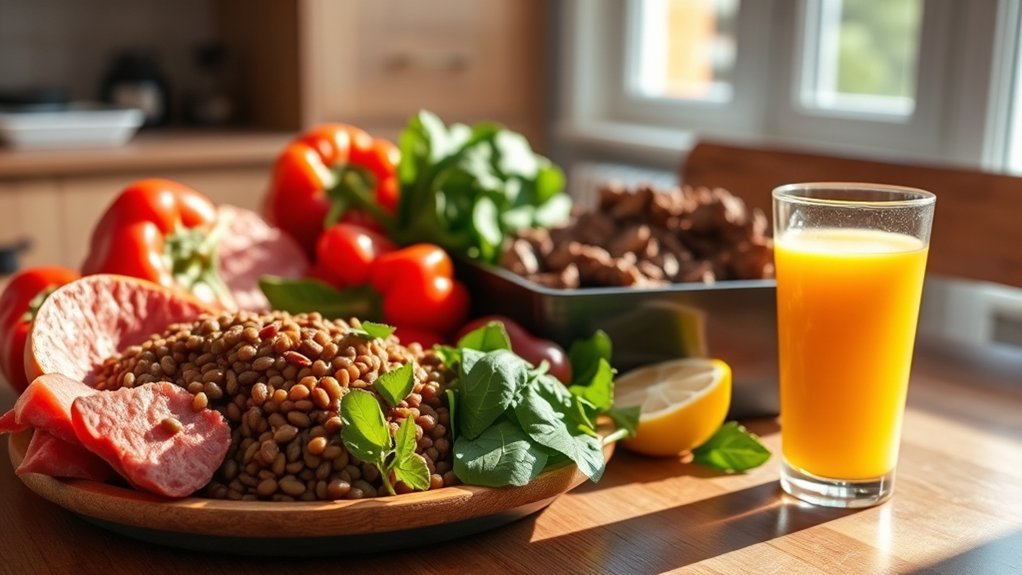
As a parent, understanding the role of iron in your child’s health is vital. Iron supports oxygen transport, energy levels, and a robust immune system. Without sufficient iron, your child may experience fatigue or growth issues. It’s important to know the recommended intake for their age group and how to incorporate iron-rich foods into their diet. Curious about the best sources of iron and how to enhance absorption? Let’s explore further.
The Importance of Iron for Children’s Health
As your child grows, it’s important to guarantee they get enough iron, since this significant mineral plays a substantial role in their overall health and development.
Iron is essential for producing hemoglobin, which carries oxygen in the blood, supporting energy levels and cognitive function. A sufficient iron intake helps bolster your child’s immune system, making them less susceptible to infections.
Additionally, iron is crucial for muscle development and growth, ensuring your child reaches their physical milestones. Foods rich in iron, like lean meats, beans, and fortified cereals, should be staples in their diet.
Signs and Symptoms of Iron Deficiency
Recognizing the signs and symptoms of iron deficiency is essential for parents who want to guarantee their child’s health. One of the most common indicators is fatigue; if your child seems unusually tired or irritable, it could be a sign of low iron levels.
You might also notice pale skin or a decrease in their appetite. Other symptoms include rapid heartbeat, shortness of breath, and frequent infections, as iron is critical for a strong immune system.
Additionally, some children may develop cravings for non-food items, a condition known as pica. If you observe these signs, it’s important to consult your pediatrician for a proper diagnosis and guidance on how to improve your child’s iron intake.
Early intervention can make a significant difference.
Recommended Iron Intake for Different Age Groups
Understanding the signs of iron deficiency in your child helps highlight the importance of meeting their iron needs. The recommended daily intake varies by age.
For infants aged 7 to 12 months, it’s about 11 mg. Toddlers aged 1 to 3 years require around 7 mg daily. Children aged 4 to 8 should get 10 mg, while those aged 9 to 13 need 8 mg.
Teenagers have higher demands: boys aged 14 to 18 need 11 mg, and girls in the same age range need 15 mg due to menstruation. Keeping these guidelines in mind guarantees your child receives adequate iron for growth and development.
Regular check-ups with your pediatrician can help monitor their iron levels effectively.
Iron-Rich Foods to Include in Your Child’s Diet
Including iron-rich foods in your child’s diet is essential for their health and development. Start by incorporating lean meats, such as chicken and beef, which are excellent sources of heme iron, easily absorbed by the body.
Don’t forget about seafood, like salmon and tuna, which also offer valuable iron. For vegetarian options, beans, lentils, and chickpeas are fantastic choices, packed with non-heme iron.
Dark leafy greens, such as spinach and kale, provide additional iron, and fortified cereals can help boost intake. Snack time is perfect for iron-rich nuts and seeds.
Finally, consider whole grains like quinoa and brown rice. Remember, variety is key to ensuring your child gets the iron they need for growth and energy.
Tips for Enhancing Iron Absorption in Kids
To maximize the iron benefits from the foods your child eats, you can adopt several strategies that enhance iron absorption.
Implementing these simple tips can make a significant difference in your child’s iron levels:
- Pair iron-rich foods with vitamin C sources, like oranges or bell peppers, to boost absorption.
- Avoid serving dairy products alongside iron-rich meals, as calcium can inhibit iron absorption.
- Choose lean meats or fish, which contain heme iron that’s easier for the body to absorb than non-heme iron found in plant sources.
Frequently Asked Questions
Can Excessive Iron Intake Be Harmful for Children?
Yes, excessive iron intake can be harmful for children. It can lead to iron overload, causing serious health issues like liver damage, gastrointestinal problems, and impaired growth. It’s important to monitor their iron consumption carefully.
What Are the Best Vegetarian Sources of Iron for Kids?
You can boost your kids’ iron intake with lentils, chickpeas, tofu, spinach, quinoa, pumpkin seeds, and fortified cereals. Pair these with vitamin C-rich foods to enhance absorption and support their overall health and development.
How Do Iron Supplements Differ From Dietary Sources?
Think of iron supplements like a quick energy boost, while dietary sources offer a steady fuel. Supplements deliver concentrated iron, but food provides essential nutrients and fiber, promoting overall health alongside iron absorption.
Are There Specific Symptoms Indicating Iron Overload in Children?
Yes, specific symptoms of iron overload in children include fatigue, abdominal pain, joint pain, and skin discoloration. If you notice these signs, it’s important to consult a healthcare professional for proper evaluation and guidance.
Can Cooking Methods Affect the Iron Content in Foods?
Cooking methods can act like a magician, transforming iron content. For instance, boiling might leach out nutrients, while grilling or steaming often retains more. So, choose your cooking style wisely to maximize iron intake!
Conclusion
Incorporating adequate iron into your child’s diet is essential for their growth and overall well-being. Remember, “an ounce of prevention is worth a pound of cure.” By ensuring they get the right amount of iron-rich foods and enhancing absorption with vitamin C, you can help prevent deficiency and its consequences. Regular check-ups can also keep you informed about your child’s iron levels, allowing for timely interventions if needed. Prioritizing iron today sets the foundation for a healthier tomorrow.
