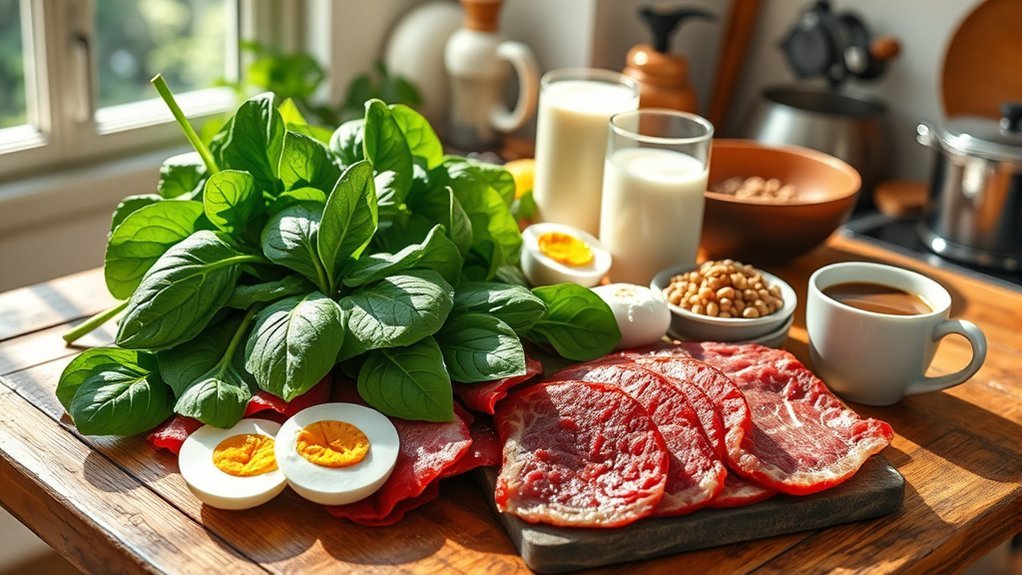
If you’ve ever felt fatigued after a long day, it might be worth considering your iron intake. Iron plays an essential role in energy production and overall health. However, knowing how to optimize your intake can be tricky. Certain foods boost absorption, while others hinder it. Understanding these nuances can make a significant difference in your well-being. So, what should you prioritize and what should you avoid?
Understanding Iron: Types and Functions
Iron is an essential mineral that plays a crucial role in various bodily functions. It exists in two primary forms: heme and non-heme iron.
Heme iron, found in animal products like meat and fish, is more easily absorbed by your body compared to non-heme iron, which is present in plant-based foods such as beans, lentils, and spinach.
Iron’s primary function is to facilitate oxygen transport in the blood through hemoglobin, ensuring your cells receive the oxygen they need for energy production. Additionally, iron supports immune function and cognitive development.
Too little iron can lead to anemia, causing fatigue and weakness, while excess iron can be toxic. Understanding these types and functions helps you make informed dietary choices regarding your iron intake.
Top Dietary Sources of Iron
When it comes to boosting your iron intake, knowing which foods pack the most punch can make all the difference. Iron-rich foods can be broadly categorized into heme and non-heme sources. Heme iron, found in animal products, is more easily absorbed by your body. Non-heme iron, from plant-based sources, requires more careful consumption to maximize benefits.
| Food Source | Type of Iron | Iron Content (mg per 100g) |
|---|---|---|
| Beef Liver | Heme | 6.2 |
| Spinach | Non-Heme | 2.7 |
| Chickpeas | Non-Heme | 2.9 |
Incorporating a variety of these sources into your diet guarantees you meet your iron needs effectively.
Enhancing Iron Absorption
To enhance iron absorption, consider pairing iron-rich foods with vitamin C sources, like citrus fruits or bell peppers.
This combination can greatly boost your body’s ability to absorb iron.
On the other hand, be mindful of consuming calcium-rich foods simultaneously, as calcium can inhibit iron absorption.
Vitamin C Pairing
Pairing vitamin C with iron-rich foods greatly enhances iron absorption, making it easier for your body to utilize this essential mineral.
When you consume vitamin C alongside non-heme iron sources, like legumes or spinach, it can notably improve iron uptake. This is particularly beneficial for individuals relying on plant-based diets, where iron may be less bioavailable.
Foods high in vitamin C include citrus fruits, strawberries, bell peppers, and broccoli. Incorporating these into your meals can maximize iron absorption, helping to prevent deficiencies.
Just remember, while vitamin C boosts absorption, a balanced diet with various nutrients is vital for overall health. Keep your meals diverse to guarantee you’re meeting all your nutritional needs effectively.
Avoiding Calcium Sources
While it’s important to consume calcium for bone health, timing your calcium intake can greatly impact iron absorption. When iron-rich foods or supplements are consumed, it’s best to avoid high-calcium sources, as they can inhibit your body’s ability to absorb iron effectively. Aim to space out your calcium and iron intake by at least two hours.
Here’s a quick reference table for your convenience:
| Time of Day | Iron Sources | Calcium Sources |
|---|---|---|
| Breakfast | Oatmeal, Spinach | Milk, Yogurt |
| Lunch | Lentils, Chicken | Cheese, Almonds |
| Dinner | Red Meat, Beans | Tofu, Broccoli |
| Snacks | Nuts, Fortified Cereal | Ice Cream, Cream |
Common Signs of Iron Deficiency
Iron deficiency can manifest through various symptoms that may signal a need for increased attention to your dietary intake. You might experience fatigue or weakness, making everyday tasks feel more challenging.
Pale skin and brittle nails can also indicate low iron levels. If you notice shortness of breath during routine activities, it’s worth considering your iron consumption.
Other signs include dizziness or headaches, especially when standing up quickly. Cold hands and feet may arise due to poor circulation linked to iron deficiency.
Additionally, you might crave non-food items, a condition called pica. If you identify with any of these symptoms, it’s essential to consult a healthcare professional for proper diagnosis and guidance on improving your iron intake.
Risks of Excess Iron Intake
While iron is essential for your health, too much can lead to serious complications.
You might experience symptoms like fatigue, joint pain, and abdominal discomfort if your iron levels are excessively high.
Understanding these risks is vital for maintaining a balanced intake and preventing long-term health issues.
Health Risks Overview
Excessive iron intake can lead to several health risks that are significant to contemplate. When your body accumulates too much iron, it can cause oxidative stress, damaging cells and tissues.
This accumulation may result in conditions like hemochromatosis, which affects your liver, heart, and pancreas, potentially leading to serious complications. You might also experience increased risks of cardiovascular diseases, as excess iron can disrupt normal blood vessel function.
Furthermore, high iron levels can impair your immune system, making you more susceptible to infections. It’s essential to maintain a balanced approach to iron intake, ensuring you meet your body’s needs without exceeding recommended levels.
Always consult a healthcare professional if you’re considering iron supplementation.
Symptoms of Excess Iron
When your body has too much iron, you may start to notice a range of symptoms that indicate potential health issues.
It’s crucial to recognize these signs early to prevent further complications. Here are some common symptoms of excess iron intake:
- Abdominal pain – You might experience discomfort in your stomach area.
- Fatigue – Excess iron can lead to unusual tiredness or lethargy.
- Joint pain – You could notice aching or discomfort in your joints.
- Skin changes – A bronze or grayish hue on your skin may appear.
If you experience any of these symptoms, consider consulting a healthcare professional to assess your iron levels and adjust your intake accordingly.
Long-term Complications Explained
Iron overload can lead to a range of long-term complications that pose significant health risks. When your body accumulates excess iron, it can damage essential organs such as the liver, heart, and pancreas. This damage may result in conditions like cirrhosis, heart disease, and diabetes.
Additionally, high iron levels can increase your risk of developing certain cancers. You might also experience hormonal imbalances, which can affect your reproductive health.
To mitigate these risks, it’s important to monitor your iron intake, especially if you have conditions like hemochromatosis or frequently use iron supplements. Regular blood tests can help you keep track of your iron levels and avoid potential complications, ensuring you maintain peak health.
Tips for Different Diets: Meat-eaters vs. Vegetarians
Whether you’re a meat-eater or a vegetarian, understanding how to maximize your iron intake is essential for maintaining good health. Both diets can meet your iron needs, but strategies differ. Here are some tips to guarantee you’re getting enough:
- Meat-eaters: Include lean red meats and poultry; they provide heme iron, which is more easily absorbed.
- Vegetarians: Focus on plant-based sources like lentils, beans, and fortified cereals; pair them with vitamin C-rich foods to enhance absorption.
- Cooking methods: Use cast-iron cookware for an added iron boost, regardless of your diet.
- Avoid inhibitors: Limit calcium and tannins (found in tea and coffee) around iron-rich meals to maximize absorption.
These strategies will help you maintain ideal iron levels effectively.
Frequently Asked Questions
Can Iron Supplements Interact With Other Medications?
Yes, iron supplements can interact with certain medications, affecting their absorption or effectiveness. It’s essential to consult your healthcare provider before starting iron supplements to avoid potential interactions with your current medications.
How Does Cooking in Cast Iron Affect Iron Levels?
Cooking in cast iron can gently enrich your meals with iron, especially when preparing acidic foods. While it’s a subtle boost, it can help support your iron levels without relying solely on supplements.
Are There Any Side Effects of Taking Iron Supplements?
Yes, taking iron supplements can cause side effects like constipation, nausea, and abdominal pain. In some cases, they may lead to more serious issues, such as iron overload, so monitoring your intake is essential.
What Is the Best Time to Take Iron Supplements?
You should take iron supplements on an empty stomach for best absorption, ideally in the morning. However, if you experience stomach upset, consider taking them with a light meal to minimize discomfort.
Can Stress Affect Iron Levels in the Body?
Yes, stress can affect your iron levels. Think of your body as a garden; when stressed, weeds grow, overshadowing essential nutrients. Chronic stress can hinder iron absorption, leading to deficiencies and impacting your overall health.
Conclusion
Incorporating iron-rich foods into your diet is like building a sturdy foundation for a house; it supports your overall health. By understanding how to enhance absorption and avoiding common pitfalls, you can keep your iron levels balanced. Whether you’re a meat-eater or vegetarian, staying mindful of what you consume will help you avoid the pitfalls of deficiency or excess. Regular check-ups guarantee your iron remains at ideal levels, fortifying your body for whatever challenges lie ahead.
