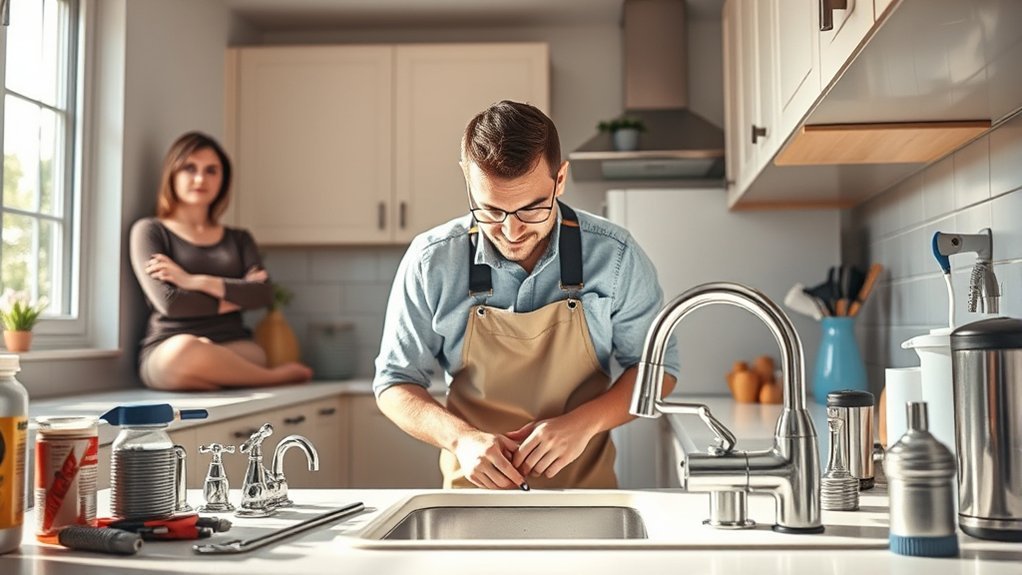
Many beginners underestimate how vital it is to recognize when a home installation task exceeds their capabilities. It’s easy to think you can handle anything with a few online tutorials, but certain signs can signal impending trouble. Knowing when to step back and call a professional can save you from costly mistakes and safety hazards. So, how do you identify these red flags and guarantee your home remains safe and functional?
Understanding Common Home Installation Tasks
Have you ever wondered which home installation tasks you can handle on your own? Many homeowners tackle simple projects with confidence.
Many homeowners confidently take on simple home installation tasks—have you considered what you could do yourself?
For instance, installing shelves or curtain rods can be straightforward if you’ve got the right tools and follow instructions. You can also replace light fixtures or switch out doorknobs without much hassle.
If you’re feeling adventurous, consider painting a room or laying down laminate flooring; these tasks can refresh your space and boost your DIY skills.
However, always remember to assess your comfort level and ability. If a task seems too complex, it’s wise to consult a professional.
Recognizing Signs of Trouble
While many home installation tasks can be completed without issue, it is crucial to recognize signs that indicate trouble may be brewing. Pay attention to these indicators to avoid costly repairs later.
| Sign of Trouble | Possible Cause | Action to Take |
|---|---|---|
| Unusual noises | Loose parts or fittings | Inspect and tighten |
| Water leaks | Poor seals | Check connections |
| Electrical issues | Faulty wiring | Turn off power, consult an expert |
| Unstable installations | Improper leveling | Reassess and adjust |
Plumbing Issues: When to Seek Help
Plumbing issues can escalate quickly, so knowing when to seek professional help is essential.
If you notice persistent leaks, it’s a sign that you shouldn’t ignore. Water pooling under sinks or around appliances can indicate a serious problem.
You should also call a plumber if you encounter frequent clogs that a plunger won’t fix. Unpleasant odors from drains may suggest a blocked sewer line, which requires immediate attention.
Additionally, if your water pressure drops suddenly or you hear strange noises from pipes, don’t hesitate to reach out for help. Ignoring these signs can lead to costly repairs down the line.
Trust your instincts; if something feels off, it’s always better to consult a professional.
Electrical Work: Safety First
When it comes to electrical work, safety should always be your top priority. Before you start any project, make certain to turn off the power at the breaker box. Use a voltage tester to confirm that the lines are dead.
Safety is paramount in electrical work; always turn off power and test for dead lines before starting any project.
Wear insulated gloves and use tools with rubber grips to minimize the risk of shock. Keep your workspace dry and free from clutter to prevent accidents.
If you’re unsure about any step, don’t hesitate to consult the professionals. Remember, working with electricity can be dangerous, and it’s vital to recognize your limits.
If something doesn’t feel right, or if the task seems too complex, it’s always better to call in an expert to guarantee safety. Your well-being is worth it!
HVAC Installations: The Importance of Expertise
When it comes to HVAC installations, you can’t overlook the importance of expertise.
Proper installation secures safety, maximizes system efficiency, and guarantees compliance with necessary permits and regulations.
Hiring a qualified professional not only protects your investment but also gives you peace of mind.
Safety First Considerations
Although HVAC installations might seem straightforward, safety should always be your top priority.
Proper installation involves handling electrical connections, refrigerants, and gas lines, which can be hazardous if you lack experience. Before you begin, make certain you have the right tools and protective gear.
Familiarize yourself with local codes and regulations to avoid potential fines or safety hazards. If you encounter any issues or uncertainties, don’t hesitate to reach out to a professional.
They’ve the expertise to navigate complex installations safely. Remember, cutting corners can lead to dangerous situations or costly repairs down the line.
Prioritize your safety and the safety of your home by knowing when it’s time to call in an expert.
System Efficiency Matters
Properly installed HVAC systems not only enhance comfort but also substantially boost energy efficiency. When you invest in expert installation, you’re ensuring that your system operates at peak performance.
A skilled technician knows how to size your unit correctly, which prevents overworking and energy waste. They also understand the importance of proper ductwork and insulation, which plays a critical role in maintaining efficiency.
Additionally, an experienced installer can identify potential issues that could hinder performance, such as refrigerant leaks or airflow problems. By addressing these concerns early, you avoid costly repairs down the line.
In the long run, choosing expert installation not only saves you money on energy bills but also extends the lifespan of your HVAC system. Don’t underestimate the value of expertise.
Permits and Regulations Compliance
Understanding and adhering to permits and regulations is essential for HVAC installations, as failing to comply can lead to significant complications.
Before starting your project, check local codes and requirements. Each area has specific rules regarding HVAC systems, which can include permits for installation, inspections, and safety standards.
Ignoring these regulations can result in fines, delayed installations, or even the need to redo work. It’s wise to consult with an experienced HVAC professional who knows the local laws.
They can help guarantee that your installation meets all necessary criteria, providing peace of mind. Ultimately, following the rules not only keeps you compliant but also enhances the safety, efficiency, and longevity of your HVAC system.
Assessing Your Skill Level Before Starting a Project
Before starting any project, it’s essential to assess your skill level and experience.
Consider how complex the task is and whether it matches your abilities.
This self-evaluation can save you time and prevent potential headaches down the line.
Understanding Your Experience Level
Evaluating your skill level is essential to ensuring a successful installation project. Start by honestly reviewing your previous experiences. Have you tackled similar tasks before?
Consider your comfort with tools and materials. If you’ve successfully completed DIY projects, you might feel confident moving forward. However, if you’re new to installations, it’s wise to familiarize yourself with basic techniques and safety precautions.
Don’t underestimate the importance of research; reading manuals or watching tutorial videos can boost your confidence. Remember, it’s perfectly okay to seek help or consult professionals if the task feels overwhelming.
Knowing your limits will save you time, money, and frustration in the long run, ensuring you’re prepared for the project ahead.
Identifying Project Complexity
Determining the complexity of your installation project is essential for success. It helps you evaluate whether you can handle the task or need professional assistance. Start by examining the tools, materials, and techniques involved. Consider your experience level and the potential challenges.
| Skill Level | Project Type | Recommended Action |
|---|---|---|
| Beginner | Simple installations | DIY with guidance |
| Intermediate | Moderate tasks | DIY or seek consultation |
| Advanced | Complex projects | DIY confidently |
| Expert | Specialized work | DIY or mentor others |
Frequently Asked Questions
Can I Install Appliances Without Professional Help?
Yes, you can install appliances without professional help if you’re comfortable with basic tools and following instructions. Just make sure to read the manuals thoroughly and prioritize safety to avoid potential hazards.
What Tools Do I Need for Basic Installations?
You’ll need a screwdriver set, pliers, a level, a tape measure, and an adjustable wrench for basic installations. Don’t forget safety gear like gloves and goggles to protect yourself while working on your projects.
How Do I Choose a Reliable Contractor?
To choose a reliable contractor, ask for referrals, check online reviews, and verify licenses. Trust your instincts; if their promises sound too good to be true, they probably are. Always get multiple quotes before deciding!
Are DIY Installations Covered by Home Insurance?
DIY installations usually aren’t covered by home insurance unless you damage something during the process. Always check your policy for specifics, and consider hiring a professional to guarantee coverage and avoid potential issues down the line.
What Permits Are Required for Home Installations?
You’ll typically need building permits for major installations like electrical work, plumbing, or structural changes. Check your local regulations, as requirements vary by location. Always make certain you comply to avoid fines or safety issues.
Conclusion
In home installation, knowing your limits can save you time, money, and headaches. Remember, “a stitch in time saves nine”—addressing issues early prevents bigger problems later. If you encounter unusual noises, leaks, or complex systems, don’t hesitate to call a professional. Trust your instincts and assess your skill level honestly. By recognizing when to seek help, you’ll guarantee a safe and successful home project, allowing you to enjoy your space without unnecessary stress.
