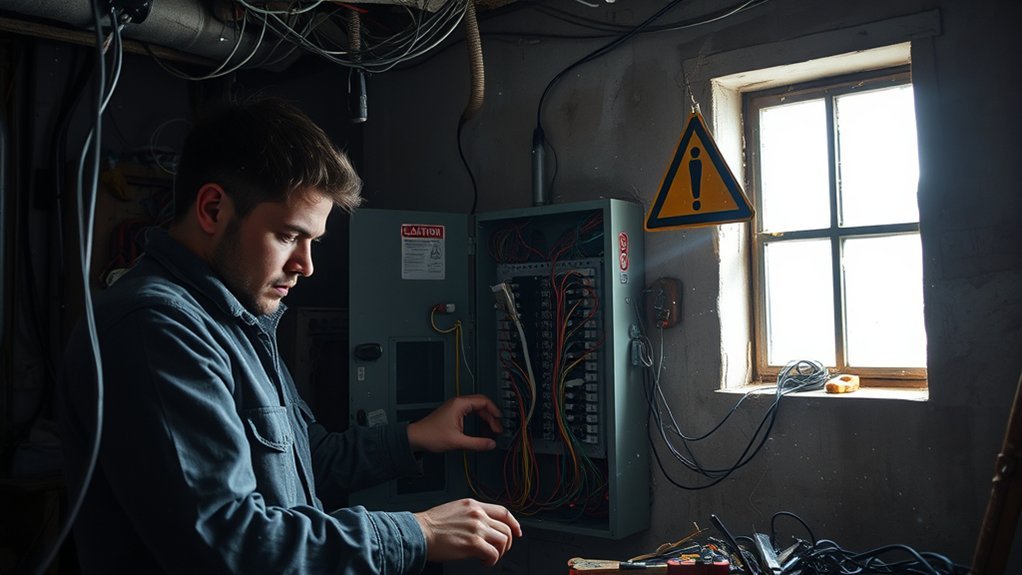
Many homeowners underestimate the complexity of installation processes, particularly in plumbing and electrical systems. Even minor oversights, like improper pipe sizing or inadequate circuit protection, can lead to significant failures. These issues not only cause costly repairs but can also pose serious safety hazards. Understanding the underlying causes and risk factors is crucial. Let’s explore how to mitigate these risks and guarantee successful installations.
Understanding Installation Failures
While you might expect installations to proceed smoothly, understanding installation failures is crucial for identifying potential pitfalls. Recognizing the nuances of installation processes allows you to preemptively address issues that could jeopardize project success.
Each installation phase requires meticulous attention to detail, from planning and material selection to execution and inspection. Any oversight during these phases can lead to failures, such as misaligned components or inadequate support structures.
Meticulous attention to detail during every installation phase is essential to prevent failures and ensure project success.
It’s essential to guarantee that all tools and equipment are calibrated correctly and that personnel are adequately trained. Additionally, maintaining clear communication among team members fosters a collaborative environment, reducing the likelihood of misunderstandings that could result in costly errors.
Implementing a thorough review process can greatly mitigate risks associated with installation failures.
Common Causes of Plumbing Installation Issues
When plumbing installations go awry, several common causes often emerge, each posing significant risks to functionality and safety.
One prevalent issue is improper pipe sizing; using pipes that are too small can lead to blockages, while excessively large pipes may result in low water pressure.
Additionally, poor joint connections can cause leaks, leading to water damage and mold growth.
Inadequate slope for drainage pipes can hinder proper flow, increasing the likelihood of clogs.
Moreover, using the wrong materials can affect durability and compatibility, resulting in premature failure.
Finally, insufficient knowledge of local plumbing codes can lead to non-compliance and costly repairs.
Addressing these issues proactively is essential for ensuring a reliable plumbing system.
Electrical System Installation Risks
Electrical system installation carries inherent risks that can lead to hazardous situations if not properly managed. You need to be aware of these risks to guarantee safety and compliance. Here’s a quick reference table outlining common electrical installation risks and their potential impacts:
| Risk | Impact |
|---|---|
| Overloading circuits | Fire hazards |
| Improper grounding | Electric shock |
| Inadequate circuit protection | Equipment damage |
| Poor wiring connections | System failures and outages |
Structural Failures in Home Construction
Structural failures in home construction can occur due to various factors, including poor design, inadequate materials, and substandard workmanship. Recognizing these risks is essential for ensuring a safe living environment.
Structural failures in home construction stem from design flaws, material deficiencies, and workmanship errors, highlighting the importance of risk awareness for safety.
Here are key contributors to structural failures:
- Design flaws: Insufficient load calculations or improper architectural plans can compromise structural integrity.
- Material deficiencies: Using low-quality or unsuitable materials may lead to failures under stress or environmental conditions.
- Workmanship errors: Inadequate installation practices, such as improper framing or foundation work, can weaken the overall structure.
The Importance of Proper Measurements
Proper measurements are essential for achieving accurate dimensions in any installation project.
If you underestimate or overestimate measurements, it can lead to significant issues during installation, impacting overall success.
Ensuring precision from the beginning helps prevent costly mistakes and enhances the longevity of the installation.
Accurate Dimensions Matter
When it comes to installation projects, getting accurate dimensions isn’t just important; it’s essential for ensuring everything fits and functions correctly. Miscalculations can lead to costly mistakes and delays, so you can’t afford to overlook this step.
Here are key aspects to take into account:
- Tools: Use high-quality measuring tools like laser levels and tape measures for precise readings.
- Double-checking: Always verify your measurements against plans before proceeding, as errors can compound quickly.
- Environment: Account for environmental factors, such as temperature and humidity, which can affect material dimensions.
Impact on Installation Success
Accurate measurements directly influence the success of your installation project. When you take precise dimensions, you guarantee that components fit correctly, reducing the risk of costly errors.
Inaccurate measurements can lead to misalignments, gaps, and structural weaknesses, ultimately jeopardizing the integrity of the installation. This not only affects aesthetics but also functionality.
Furthermore, rework due to measurement errors can considerably increase labor costs and project timelines. To mitigate these risks, utilize reliable measurement tools and double-check your figures.
Incorporating technology, like laser measuring devices, can enhance accuracy. Remember, taking the time to verify measurements upfront can save you time, money, and headaches down the line, enabling a smoother and more successful installation process.
Material Quality and Its Impact on Installations
Material quality greatly influences the success of installations, as subpar materials can lead to structural failures and increased maintenance costs.
When you select high-quality materials, you guarantee durability and longevity, considerably reducing the risk of future issues.
Consider these key aspects:
- Strength and Durability: Higher quality materials withstand environmental stresses better, minimizing failure risk.
- Compatibility: Using compatible materials guarantees proper integration, reducing the chance of installation errors.
- Cost-Effectiveness: Investing in quality materials can save you money in the long run by decreasing repair and replacement needs.
Ultimately, focusing on material quality enhances the overall reliability of your installations and contributes to a safer built environment.
Prioritizing these factors can lead to successful project outcomes.
Environmental Factors Affecting Installations
While high-quality materials play a notable role in installations, environmental factors also demand attention. Weather conditions, such as humidity, temperature, and precipitation, can greatly influence the performance and longevity of your installation.
High-quality materials are essential, but environmental factors like weather significantly affect installation performance and durability.
For instance, extreme temperatures can cause materials to expand or contract, leading to structural issues. Additionally, high humidity can affect adhesion and drying times, compromising the integrity of the installation.
Air quality, including dust and pollutants, can also impact the installation process, particularly for adhesives and coatings.
You should also consider the site’s geographic location, as factors like seismic activity or flooding risk can dictate specific installation methods.
The Role of Skilled Labor in Successful Installations
Skilled labor plays an essential role in ensuring successful installations across various industries. Their expertise not only enhances the quality of work but also minimizes risks associated with improper installations. When you rely on skilled professionals, you benefit from their specialized knowledge and hands-on experience.
- Precision in Execution: Skilled laborers understand complex systems, ensuring that every component is installed correctly.
- Problem-Solving Abilities: They can quickly diagnose and address issues that may arise during the installation process.
- Safety Awareness: Trained workers adhere to safety protocols, reducing the likelihood of accidents and ensuring compliance with industry standards.
Compliance With Building Codes and Regulations
Guaranteeing compliance with building codes and regulations is essential for any installation project, as it not only guarantees safety but also protects your investment. Adhering to these standards helps minimize risks associated with structural failures and legal liabilities. You should always check local codes, as they can vary considerably by location.
| Compliance Aspect | Importance |
|---|---|
| Structural Integrity | Prevents collapses and injuries |
| Fire Safety Regulations | Reduces fire hazards |
| Electrical Standards | Guarantees safe energy usage |
| Accessibility Guidelines | Promotes inclusivity |
Strategies for Preventing Installation Failures
To prevent installation failures, you need to focus on three key strategies: conducting regular maintenance checks, selecting high-quality materials, and utilizing skilled labor.
Each of these elements plays a critical role in ensuring the longevity and reliability of installations. By prioritizing these strategies, you can considerably reduce the risk of costly failures.
Regular Maintenance Checks
While regular maintenance checks may seem tedious, they play a crucial role in preventing installation failures. By proactively inspecting systems and components, you can identify potential issues before they escalate into costly problems.
Here are three critical areas to focus on during your maintenance checks:
- Inspect Connections: Verify all connections are secure and free from corrosion, which can lead to electrical failures.
- Evaluate Performance: Monitor equipment performance to detect any deviations from normal operation, indicating wear or malfunction.
- Clean Components: Regularly clean components to prevent dust and debris buildup, which can hinder efficiency and lead to breakdowns.
Implementing these checks won’t only extend the lifespan of your installations but also enhance overall reliability.
Quality Material Selection
Selecting quality materials is essential for preventing installation failures, as subpar components can compromise the entire system’s integrity.
When sourcing materials, prioritize those that meet industry standards and have a proven track record of performance. Investigate certifications and testing results, ensuring they align with your specific application requirements.
Performance characteristics, such as durability, resistance to environmental factors, and compatibility with existing systems, should guide your decisions. Additionally, consider the lifecycle cost of materials, as cheaper options may lead to higher long-term expenses due to replacements or repairs.
Engaging reputable suppliers who provide transparent information on their products can further mitigate risks.
Ultimately, investing in quality materials is a foundational strategy for ensuring reliable installations and reducing the likelihood of future failures.
Skilled Labor Utilization
Utilizing skilled labor is essential for guaranteeing installation success, as the expertise of trained professionals directly impacts the quality of the work performed.
To minimize installation failures, consider implementing the following strategies:
- Invest in Training: Regularly updating your team’s skills through workshops and certifications guarantees they stay current with industry standards and technologies.
- Conduct Thorough Assessments: Evaluate the experience and qualifications of your labor force before assignments, guaranteeing they’re fit for the specific installation tasks.
- Foster Collaboration: Encourage teamwork among skilled workers, as collaborative environments enhance problem-solving and efficiency during installations.
Frequently Asked Questions
How Can Homeowners Identify Potential Installation Issues Early?
You can identify potential installation issues early by regularly inspecting seams, checking for gaps or misalignments, monitoring performance, and listening for unusual sounds. Addressing these signs promptly can prevent more significant problems down the line.
What Are the Long-Term Effects of Poor Installations?
Cutting corners during installation can lead to severe long-term effects, like structural damage, energy inefficiency, and safety hazards. These issues often escalate costs and reduce your property’s value, making timely inspections essential for prevention.
Are There Insurance Implications for Installation Failures?
Yes, installation failures can lead to significant insurance implications. If a claim arises from improper installation, insurers may deny coverage or increase premiums, emphasizing the importance of adhering to proper installation standards to avoid financial repercussions.
How Often Should Installations Be Inspected?
You should inspect installations annually, or more frequently if conditions change. Regular checks help identify potential issues early, ensuring safety and compliance. Keeping up with inspections can save you time, money, and headaches down the road.
What Resources Are Available for DIY Installation Guidance?
You can access numerous resources for DIY installation guidance, including manufacturer manuals, online tutorials, instructional videos, and community forums. Local hardware stores often offer workshops, too, providing hands-on experience and expert advice for your projects.
Conclusion
In the grand theater of home installations, it seems some folks are just auditioning for disaster. By ignoring proper measurements, skilled labor, and building codes, you might as well roll out the red carpet for plumbing and electrical failures. But fear not! With a little diligence and respect for the basics, you can avoid the slapstick comedy of costly repairs and safety hazards. So, embrace those guidelines—your home deserves a standing ovation, not a tragic finale.
