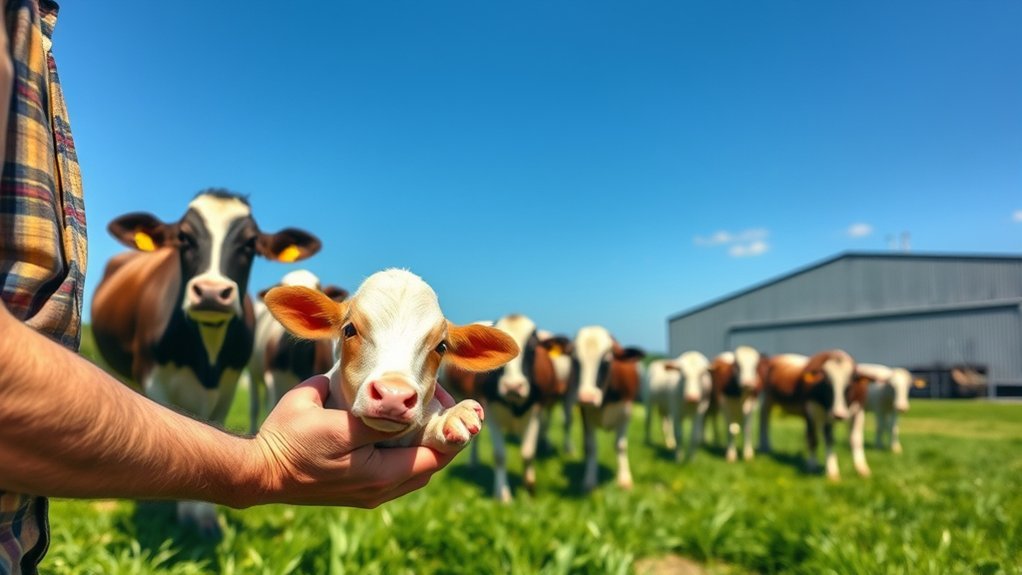
The dairy sector is experiencing a notable transformation, often perceived as a positive shift towards increased supply. Government subsidies, consumer demand, and technological advancements are key players in this narrative. However, lurking beneath this growth are market volatility, environmental regulations, and labor shortages that threaten stability. Understanding these dynamics is essential, as they not only shape the industry but also influence your budget and bottom line. What’s next for dairy producers traversing this complex landscape?
Current Trends in Milk Production
In recent years, global milk production has steadily risen, with a reported increase of approximately 1.5% annually. This growth reflects significant advancements in dairy farming practices and technologies that enhance efficiency and yield.
Countries like India and the United States are major contributors, with the U.S. alone producing over 200 billion pounds in recent years. Policy incentives, such as subsidies and support for sustainable practices, have further driven production.
However, you should note that this growth isn’t uniform; variations exist across regions due to environmental factors, market access, and regulatory frameworks.
Monitoring these trends is essential, as they influence global dairy markets and impact pricing strategies, making it imperative for stakeholders to adapt quickly to shifting dynamics.
Factors Driving Increased Milk Supply
While advancements in technology and farming practices play an essential role, several key factors are driving the increased milk supply globally.
Understanding these drivers is vital for policymakers and industry stakeholders alike.
- Government Support: Subsidies and policies aimed at stabilizing dairy prices encourage farmers to expand production.
- Consumer Demand: The rising global demand for dairy products pushes producers to increase output to meet market needs.
- Global Trade Dynamics: Trade agreements facilitate access to new markets, allowing producers to sell surplus milk internationally.
The Role of Technology in Dairy Farming
Recent studies indicate that over 70% of dairy farmers are now leveraging technology to enhance their operations, reflecting a significant shift in the industry. This adoption includes precision farming tools, data analytics, and advanced breeding techniques, which can improve herd management and optimize feed efficiency.
For instance, automated milking systems not only increase productivity but also reduce labor costs. Additionally, using sensors and IoT devices allows for real-time monitoring of animal health, leading to timely interventions and better milk quality.
Policymakers must support these technological advancements through funding and training programs, ensuring farmers can fully utilize these innovations. Overall, integrating technology into dairy farming is essential for increasing milk supply while maintaining sustainability and animal welfare standards.
Climate Change and Its Impact on Milk Supply
As climate change progresses, its effects on milk supply become increasingly apparent, posing challenges that dairy farmers must navigate. You’re likely to encounter several key impacts that threaten production:
- Temperature Fluctuations: Rising temperatures can lead to heat stress in cows, which reduces milk yield and overall health.
- Water Scarcity: Changing precipitation patterns may limit water supply for both cows and crops, affecting feed availability and quality.
- Increased Disease Risk: Warmer climates can foster conditions for diseases, resulting in higher veterinary costs and lower productivity.
To combat these issues, you might consider adopting sustainable practices, advocating for policy changes, and investing in climate-resilient technologies.
Embracing sustainable practices and investing in climate-resilient technologies can safeguard our dairy future.
Addressing these challenges proactively can help guarantee a stable milk supply amid a changing climate.
Evolving Consumer Preferences and Market Demands
Understanding evolving consumer preferences and market demands is essential for dairy farmers aiming to maintain profitability in a competitive landscape.
Recent studies show a growing inclination towards organic and plant-based alternatives, with a 20% increase in plant-based milk sales in the last year alone. Consumers are increasingly concerned about sustainability, prompting a demand for environmentally friendly farming practices.
This shift necessitates that you adapt your production strategies to align with these preferences. Regulatory policies are also evolving, often incentivizing sustainable practices, which can impact your operating costs.
Risks and Challenges Facing Dairy Producers
As you navigate the dairy industry, you’ll encounter significant risks, including market price volatility that can drastically affect your bottom line.
Additionally, increasing environmental regulations may impose new operational constraints, requiring you to adapt quickly to remain compliant.
Labor shortages further complicate your ability to scale production efficiently, putting additional pressure on your resources.
Market Price Volatility
While dairy producers endeavor to meet increasing demand, they face significant challenges due to market price volatility. Fluctuations in milk prices can severely impact your income stability, making it difficult to plan for the future. Understanding the underlying factors is essential for maneuvering this unpredictable landscape.
Key considerations include:
- Global Supply and Demand: Changes in international markets can drive local price shifts, affecting your profitability.
- Feed Costs: Rising feed prices often correlate with milk prices, squeezing margins and complicating budgeting.
- Consumer Preferences: Shifting trends in dairy consumption can influence demand, impacting your production decisions and pricing strategy.
Environmental Regulations Impact
Market price volatility isn’t the only concern for dairy producers today; environmental regulations pose significant risks and challenges that can reshape operational strategies.
Stricter regulations on emissions and waste management demand you invest in new technologies and practices, which can strain your financial resources. For instance, the implementation of nutrient management plans can require substantial capital for compliance.
Additionally, water usage restrictions may limit your ability to irrigate pastures effectively, impacting yields. According to the Environmental Protection Agency, dairy farms face an average compliance cost increase of 15% due to regulatory changes.
Balancing these requirements with market demands is essential, as failure to comply could result in hefty fines and a negative public image, jeopardizing your long-term sustainability.
Labor Shortages Challenges
Labor shortages pose a critical challenge for dairy producers, especially as the demand for milk and dairy products continues to rise.
With fewer workers available, you face increased operational risks that can affect productivity and profitability. Here are some key factors contributing to this issue:
- Wage Competition: Higher wages in alternative industries lure potential dairy workers away.
- Immigration Policies: Stricter immigration laws reduce the labor pool, particularly for seasonal and skilled positions.
- Aging Workforce: Many experienced dairy workers are retiring, and younger generations are less inclined to enter the field.
To mitigate these challenges, you might need to adopt technological innovations, offer competitive wages, and enhance working conditions.
Addressing labor shortages is essential for sustaining milk supply in a growing market.
Frequently Asked Questions
What Are the Main Breeds of Dairy Cows in the US?
The main breeds of dairy cows in the U.S. are Holstein, Jersey, Guernsey, Ayrshire, and Brown Swiss. These breeds are known for their milk production efficiency, butterfat content, and adaptability to various farming conditions.
How Does Milk Pricing Affect Dairy Farmers’ Income?
Milk pricing directly impacts your income; a 10% drop in prices can reduce farmers’ revenue by over $100,000 annually. Understanding market dynamics and policy changes helps you strategize for better financial stability in fluctuating conditions.
What Is the Average Lifespan of a Dairy Cow?
The average lifespan of a dairy cow is around 4 to 6 years, although some can live up to 15 years. Factors like health management and nutrition greatly influence their longevity and productivity.
How Do Dairy Farmers Manage Herd Health and Nutrition?
You’ll find dairy farmers managing herd health and nutrition through regular veterinary checks, balanced diets, and data analysis. They monitor milk production and adjust feeding strategies, ensuring cows remain healthy and productive throughout their lifespan.
What Role Do Government Policies Play in the Dairy Industry?
Government policies shape the dairy industry by regulating prices, providing subsidies, and ensuring food safety standards. You’ll find these measures influence production decisions, market stability, and ultimately, farmers’ profitability and sustainability in the long run.
Conclusion
In steering through the complex landscape of milk production, you must recognize that while innovation and consumer demand drive growth, volatility and regulation pose significant threats. Balancing efficiency with sustainability, adapting to climate realities, and responding to market shifts are essential for long-term success. Your ability to embrace technology and address labor challenges will shape the future of dairy farming. Ultimately, understanding these interconnected factors will empower you to thrive in an ever-evolving industry.
