
Did you know that nearly 90% of expectant mothers in the U.S. prepare a hospital bag before delivery? This common practice is influenced by various factors, from personal health conditions to the anticipated type of delivery. Understanding these causes and risk factors can help you pack effectively and guarantee a smoother experience when the time comes. What should you consider to tailor your hospital bag to your unique situation?
Understanding the Importance of a Hospital Bag
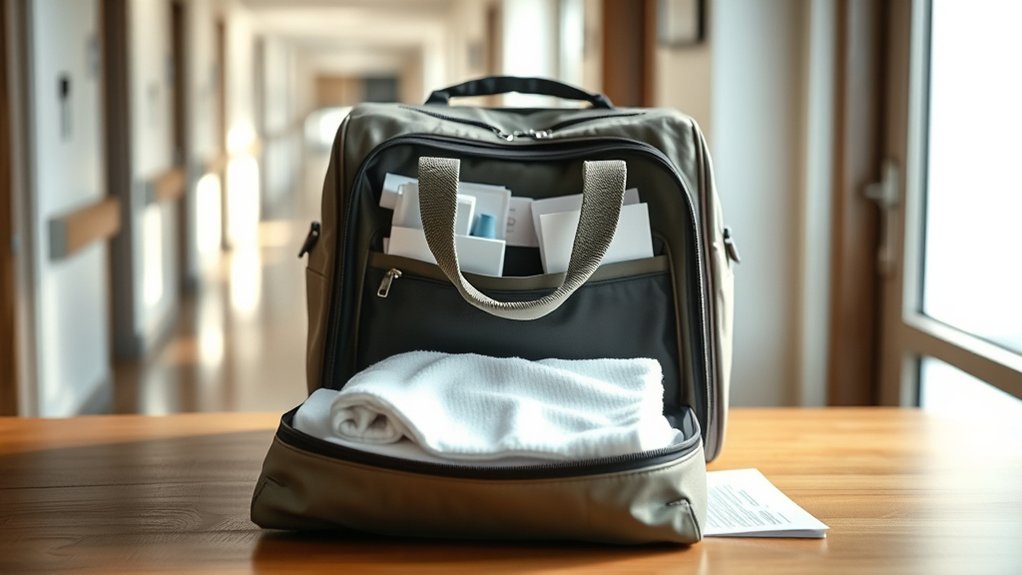
When preparing for a hospital stay, understanding the importance of a hospital bag can make a significant difference in your experience.
A well-packed hospital bag guarantees you have essential items that can enhance your comfort and convenience during your stay. You’ll want to include personal hygiene products, comfortable clothing, and any necessary medications. Having your favorite blanket or pillow can also provide emotional support.
Additionally, consider bringing items that entertain you, like books or a tablet. This preparation minimizes stress, allowing you to focus on recovery.
Remember, packing your bag ahead of time can save you from last-minute scrambles, guaranteeing you have everything you need when the time comes.
A thoughtful hospital bag truly enhances your overall experience.
Factors Influencing the Timing of Packing

Several factors can influence when you should pack your hospital bag, guaranteeing you’re prepared without unnecessary stress.
Here are four key considerations to keep in mind:
- Due Date: Aim to pack your bag around 34-36 weeks into your pregnancy, so you’re ready well before your due date.
- Previous Birth Experience: If you’ve gone into labor early in past pregnancies, consider packing sooner to avoid last-minute rushes.
- Travel Distance: If your hospital is far from home, packing early can alleviate anxiety about reaching the hospital on time.
- Birth Plan: If you have specific items in mind for your birth experience, packing early guarantees you have everything you need and helps you avoid last-minute decisions.
Types of Delivery and Their Implications

Packing your hospital bag isn’t just about having your essentials ready; it’s also influenced by the type of delivery you plan for.
If you’re opting for a vaginal delivery, you might want to include items like comfortable clothing and personal hygiene products. For a cesarean section, plan for post-operative needs, such as abdominal support and items that promote comfort while recovering.
If you’re considering a home birth or a birthing center, your packing list might differ considerably, focusing more on personal items that create a calming environment.
Each delivery method carries unique implications, so tailoring your hospital bag accordingly guarantees you’re well-prepared for the experience ahead. Always consult with your healthcare provider for specific recommendations based on your chosen delivery method.
Distance to the Hospital: Planning Ahead
Taking into account the distance to the hospital is essential for guaranteeing a smooth arrival when labor begins.
You should plan ahead to avoid unnecessary stress during this critical time. Here are four key factors to reflect on:
- Travel Time: Know how long it typically takes to reach the hospital, accounting for different times of day and traffic conditions.
- Route Options: Familiarize yourself with multiple routes to the hospital to avoid delays due to construction or accidents.
- Emergency Contacts: Have a backup plan in case you can’t make it to the hospital, such as contacting a neighbor or friend who can assist.
- Transportation: Verify your vehicle is ready and think about alternative transportation options like rideshares if needed.
Individual Health Conditions to Consider
When packing your hospital bag, consider any chronic illnesses you manage and how they might affect your stay.
It’s also important to be aware of potential pregnancy complications that could arise.
Being prepared for these individual health conditions can help guarantee a smoother experience.
Chronic Illness Management
As you prepare your hospital bag, it’s essential to account for any chronic illnesses you may have.
Managing these conditions effectively can guarantee your hospital stay is more comfortable and safe.
Here are four items to take into account including:
- Medications: Bring enough for your hospital stay, plus a few extra days.
- Medical Records: Include a summary of your chronic condition and treatment plan.
- Monitoring Devices: If applicable, pack items like a blood glucose meter or inhaler.
- Comfort Items: Think about bringing items that help you manage symptoms, like a heating pad or specific dietary snacks.
Pregnancy Complications Awareness
What should you be aware of regarding pregnancy complications?
It’s vital to recognize that various health conditions can arise during pregnancy. Conditions like gestational diabetes, preeclampsia, and placental abruption can pose serious risks to both you and your baby. Symptoms may include high blood pressure, severe headaches, and sudden swelling.
Additionally, pre-existing conditions, such as heart disease or autoimmune disorders, may complicate your pregnancy. Regular prenatal visits are essential to monitor your health and detect any potential issues early.
If you notice any unusual symptoms, don’t hesitate to contact your healthcare provider. Staying informed and proactive about your health can greatly reduce risks and lead to a healthier pregnancy outcome.
Essential Items for the Hospital Bag
Packing your hospital bag can feel overwhelming, but having the right essentials ready can make the experience smoother.
To guarantee you’re prepared, consider including these key items:
- Comfortable clothing: Pack loose-fitting pajamas or a nightgown for your stay.
- Toiletries: Bring travel-sized shampoo, soap, and a toothbrush to freshen up.
- Snacks: Keep some healthy snacks on hand for those in-between meal times.
- Phone charger: Don’t forget a charger to stay connected and capture those precious moments.
Preparing for Unexpected Situations
When preparing for your hospital stay, it’s vital to think about unexpected situations.
Make a checklist of essential items, keep your emergency contact information handy, and consider possible complications that might arise.
Being proactive can help you feel more in control during an unpredictable time.
Essential Items Checklist
Preparing for unexpected situations during your hospital stay requires a well-thought-out checklist of essential items.
Being prepared can help ease your mind and guarantee you have what you need when you need it. Here’s a basic list to get you started:
- Comfortable Clothing: Pack loose-fitting clothes for comfort and easy access during examinations.
- Personal Hygiene Items: Include toiletries like a toothbrush, toothpaste, and deodorant to maintain your routine.
- Snacks: Having a few light snacks on hand can be beneficial, especially if you’re waiting long hours.
- Chargers: Don’t forget chargers for your electronic devices to stay connected and entertained during your stay.
With these essentials, you’re better equipped to handle any surprises that arise.
Emergency Contact Information
Having a list of emergency contact information readily available can make a significant difference during unexpected situations at the hospital.
Make certain to include key contacts such as family members, close friends, and your primary care physician. Their names, phone numbers, and relationship to you should be clearly noted. This information guarantees that hospital staff can reach the right people quickly if something urgent arises.
It’s also helpful to designate a medical advocate who can make decisions on your behalf if you’re unable. Keep this list in a visible spot in your hospital bag, and consider sharing it with your partner or support person.
Being prepared can alleviate stress and help guarantee you receive the support you need.
Anticipating Complications Ahead
Unexpected situations can arise during a hospital stay, making it important to anticipate potential complications.
Preparing for these unexpected scenarios can help you stay calm and focused. Here are some key areas to evaluate:
- Allergies: Know your allergies and inform the medical staff to avoid adverse reactions.
- Medications: Bring a list of all medications, including dosages, to prevent dangerous interactions.
- Medical History: Share your complete medical history with healthcare providers for better treatment decisions.
- Support System: Have a designated person who can make decisions on your behalf if you’re unable to do so.
Tips for a Stress-Free Packing Experience
When it comes to packing your hospital bag, planning ahead can make the process smoother and less overwhelming.
Start by creating a checklist of essential items, including clothing, toiletries, and any necessary documents. Choose a spacious, easy-to-carry bag that’s easy to access.
Create a checklist of essentials and select a spacious, easily accessible bag for your hospital stay.
Pack versatile clothing, like loose-fitting pajamas and a robe, to guarantee comfort during your stay. Don’t forget chargers for your devices and any favorite comfort items that help you relax.
Consider packing snacks for energy, especially if you anticipate a long wait.
Finally, double-check that you have everything before the big day, and keep the bag in a designated spot. This way, you’ll feel prepared and more at ease when the time comes.
Frequently Asked Questions
What Should I Pack for a Planned C-Section?
Pack comfortable clothing, toiletries, nursing bras, and your phone charger. Include snacks, a book, and essential documents. Don’t forget items for your baby, like outfits, diapers, and a blanket for the hospital stay.
Can I Bring My Own Pillows to the Hospital?
Yes, you can bring your own pillows to the hospital. They can provide extra comfort during your stay. Just make sure to check with the hospital’s policy regarding personal items before packing.
How Do I Choose the Right Bag for Packing?
Choosing the right bag is like selecting a vessel for a journey. Opt for a medium-sized, durable bag with easy access. Make certain it fits your essentials comfortably, so you’re prepared for whatever adventure awaits.
Are There Any Restrictions on Bringing Food to the Hospital?
Yes, most hospitals have restrictions on bringing food. They often limit outside food due to dietary regulations, allergies, and sanitation. Always check with the hospital beforehand to understand their specific policies regarding food.
What Items Can I Leave at Home to Save Space?
You can leave bulky items like pillows, blankets, and excessive clothing at home. Focus on essentials such as toiletries, comfortable clothing, and personal items. Prioritize what’s necessary for your stay to maximize space.
Conclusion
In the grand scheme of things, packing your hospital bag might seem trivial—until you find yourself frantically searching for that one essential item during labor. Ironically, it’s the very things you overlook that often become the most vital. So, as you prepare for this life-changing event, take a moment to reflect on your unique circumstances. A well-packed bag not only eases your mind but also guarantees that you’re ready for whatever surprises labor might throw your way.
