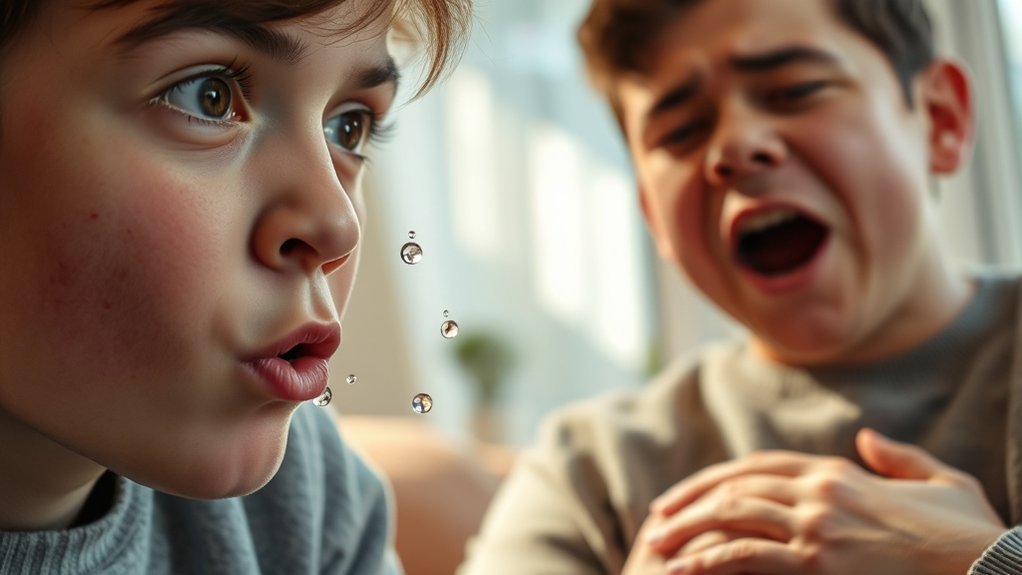
Hiccups and sneezing are common but often misunderstood reflexes that your body uses to respond to various stimuli. Understanding what triggers these actions and how they function can help you manage them effectively. Whether it’s the diaphragm spasming during hiccups or irritants causing a sneeze, knowing the underlying mechanisms and remedies can provide relief. So, what are the best ways to tackle these bothersome interruptions? Let’s explore the details further.
Understanding Hiccups: What Causes Them?
Although they might seem trivial, hiccups can be quite annoying and often arise from a variety of causes. Hiccups occur when the diaphragm contracts involuntarily, causing a sudden intake of breath that’s quickly interrupted by your vocal cords closing. Common triggers include overeating, drinking carbonated beverages, consuming spicy foods, or experiencing sudden temperature changes. Stress and excitement can also provoke this reflex. While most hiccups resolve quickly, persistent cases may indicate underlying health issues, such as gastroesophageal reflux disease (GERD) or nerve damage. To alleviate hiccups, you might try holding your breath, drinking water, or swallowing a teaspoon of sugar. Understanding these causes can help you find effective methods to manage and prevent hiccups in the future.
The Physiology of Sneezing: How It Works
When you breathe in irritants like dust or pollen, your body triggers a complex reflex known as sneezing. This reflex begins in the nasal passages, where sensory nerves detect the irritants. Once activated, these nerves send signals to the brain, particularly the sneeze center located in the medulla oblongata. The brain then coordinates a series of rapid responses: you take a deep breath, close your throat, and contract your diaphragm and abdominal muscles. This creates pressure in your lungs. Finally, you release the air explosively through your nose and mouth, expelling the irritants. Sneezing not only clears your airways but also serves as a defense mechanism, helping to prevent infection and maintain respiratory health.
Common Triggers for Hiccups
Hiccups can strike unexpectedly, often triggered by a variety of factors that irritate the diaphragm. Common triggers include consuming carbonated beverages, which introduce gas into your stomach, and eating too quickly, leading to swallowed air. Spicy foods may also cause irritation, while sudden temperature changes, like drinking a hot beverage followed by a cold one, can provoke hiccups. Emotional factors, such as excitement or stress, are additional triggers. Even laughing too hard can result in a bout of hiccups. Additionally, excessive alcohol consumption can lead to diaphragm irritation. Recognizing these triggers can help you avoid situations that may lead to these involuntary contractions, allowing for a more comfortable experience.
Effective Remedies to Stop Hiccups
If you’re looking to stop those annoying hiccups, several effective remedies can help. One popular method is to drink a glass of water quickly, which can interrupt the diaphragm’s spasms. You might also try holding your breath for as long as you can; this increases carbon dioxide levels in your blood, calming the diaphragm. Swallowing a teaspoon of sugar is another option, as the graininess can stimulate the throat muscles and reset the diaphragm. Alternatively, gently pulling on your tongue can also stimulate the vagus nerve, helping to stop the hiccups. Finally, breathing into a paper bag can increase carbon dioxide levels, providing relief. Experiment with these techniques to find what works best for you.
Sneezing Triggers: Allergens and Irritants
Sneezing is often triggered by various allergens and irritants that irritate the nasal passages. Identifying these triggers can help you manage sneezing episodes effectively. Common allergens include pollen, pet dander, and mold, while irritants often consist of smoke and strong odors. Below is a summary of typical triggers:
| Type | Examples |
|---|---|
| Allergens | Pollen, Pet Dander, Mold |
| Irritants | Smoke, Strong Odors, Dust |
| Environmental | Pollution, Weather Changes |
| Food-related | Spicy Foods, Additives |
| Medical Conditions | Sinusitis, Allergic Rhinitis |
Home Remedies for Sneezing Relief
When allergens or irritants trigger your sneezing, home remedies can provide quick relief. One effective method is inhaling steam. Boil water, then carefully lean over the pot with a towel draped over your head to trap the steam. This can help moisten nasal passages and alleviate irritation. Additionally, try saline nasal sprays or rinses to flush out allergens. Staying hydrated is essential; drink plenty of fluids to thin mucus. Consider using a humidifier in your room to maintain moisture in the air. Finally, a warm compress on your face can ease sinus pressure and reduce sneezing. Employing these remedies can greatly alleviate discomfort and help you regain comfort quickly.
Prevention Tips for Hiccups and Sneezing
To effectively prevent hiccups and sneezing, you should focus on maintaining a healthy lifestyle and avoiding known triggers. Stay hydrated by drinking plenty of water throughout the day, as dehydration can lead to both conditions. Chew your food slowly and avoid overeating, since rapid eating can irritate the diaphragm, causing hiccups. Limit exposure to allergens and irritants, such as dust, smoke, and strong odors, to reduce sneezing episodes. Additionally, practice good hygiene, like washing your hands regularly, to prevent infections that can trigger sneezing. Managing stress through relaxation techniques can also help, as stress may contribute to hiccups. By implementing these strategies, you can greatly decrease the likelihood of experiencing hiccups and sneezing.
When to Seek Medical Attention
Although most hiccups and sneezing episodes are harmless, there are times when you should seek medical attention. If your hiccups persist for more than 48 hours, it could indicate an underlying health issue, such as gastrointestinal disorders or neurological conditions. Additionally, if you experience severe pain, difficulty breathing, or wheezing along with sneezing, consult a healthcare professional. Frequent sneezing accompanied by a high fever, rash, or persistent headaches may signal an allergic reaction or infection requiring intervention. Pay attention to any changes in your symptoms; sudden onset or worsening of hiccups or sneezing might necessitate medical evaluation. Always prioritize your health and don’t hesitate to reach out to a provider when something feels off.
Frequently Asked Questions
Can Hiccups and Sneezing Occur Simultaneously?
Yes, hiccups and sneezing can occur simultaneously. Both involve involuntary muscle contractions, but their triggers differ. While sneezing clears irritants from the nasal passages, hiccups usually arise from diaphragm spasms or irritation.
Are Hiccups Contagious Like Yawning?
No, hiccups aren’t contagious like yawning. Studies show about 45% of people experience hiccups occasionally, but there’s no evidence suggesting they spread through observation or social interaction, unlike the phenomenon of contagious yawning.
Do Certain Foods Trigger Sneezing More Than Others?
Yes, certain foods can trigger sneezing. Spicy foods, dairy products, and allergens like nuts or shellfish might cause reactions in sensitive individuals. Identifying your specific triggers can help manage sneezing episodes effectively.
Can Stress Lead to Increased Hiccups or Sneezing?
Absolutely, stress can trigger increased hiccups or sneezing. When you’re feeling overwhelmed, your body reacts physically, leading to spasms in your diaphragm or irritation in your nasal passages. Managing stress can help reduce these symptoms considerably.
Is There a Connection Between Hiccups and Respiratory Issues?
Yes, there’s a connection between hiccups and respiratory issues. Irritation or inflammation in the respiratory tract can trigger hiccups, as the diaphragm reacts to disturbances. If symptoms persist, consult a healthcare professional for further evaluation.
Conclusion
In conclusion, understanding the mechanisms behind hiccups and sneezing can help you manage these reflexes effectively. For instance, consider a situation where someone named Alex experiences persistent hiccups after a big meal. By trying various remedies like drinking water or holding his breath, he finds relief and avoids embarrassment at a family gathering. Remember that while most hiccups and sneezing spells are harmless, knowing when to seek medical attention is essential for your health.
