
Understanding postpartum hemorrhoids, recognizing their symptoms, and knowing when to seek help can make a real difference in your recovery. Many new mothers experience discomfort, but not every symptom needs a doctor’s visit. If you’re unsure about your situation, or if you’re dealing with severe pain or bleeding, it helps to know what to watch for. Here are the key signs that mean it’s time to call a healthcare professional, plus what you can do to find relief.
Quick Answer
- Postpartum hemorrhoids are common, affecting an estimated 25–40% of new mothers, and most resolve on their own within 6 to 12 weeks.
- Seek medical attention if you experience severe pain that doesn’t improve with home care, heavy rectal bleeding, or hard and swollen hemorrhoids.
- Fever, severe abdominal pain, or symptoms that persist beyond two weeks also warrant a call to your doctor.
- Home remedies like sitz baths, ice packs, and over-the-counter creams can offer relief for mild to moderate cases.
Understanding Postpartum Hemorrhoids
Postpartum hemorrhoids are an uncomfortable reality for many women after childbirth. These swollen veins in and around the anus form because of increased pressure during pregnancy and the straining involved in labor.
Research suggests that hemorrhoids affect roughly 25–40% of pregnant and postpartum women, with symptoms that can include anal pain, itching, swelling, and rectal bleeding during bowel movements. Contributing factors include constipation and larger baby size, particularly babies over 8.4 pounds.
There are four types of hemorrhoids: external, internal, prolapsed, and thrombosed. Each varies in severity. Although hemorrhoids may look or feel large right after delivery, they usually shrink within days and often clear up on their own within six to twelve weeks.
If symptoms stick around, talk to your doctor.
Symptoms That Need Medical Attention
Severe pain that doesn’t improve with home remedies is a clear sign to seek care. So is heavy bleeding during bowel movements. Catching these symptoms early means you can get the right treatment faster.
When Pain Persists
Anal pain that doesn’t improve with ice packs or sitz baths requires prompt medical attention. If the pain continues, especially alongside heavy bleeding or blood clots, contact your healthcare provider right away. Also watch for signs of infection, such as fever or severe abdominal pain. Hard or swollen hemorrhoids may point to a thrombosed hemorrhoid, which needs further evaluation.
| Symptoms to Monitor | Action Required | Possible Conditions |
|---|---|---|
| Severe pain that disrupts daily life | Seek medical attention | Thrombosed hemorrhoid |
| Heavy bleeding during bowel movements | Immediate consultation | Potential complications |
| Signs of infection (fever, abdominal pain) | Urgent care needed | Infection risk |
Heavy Bleeding
Heavy bleeding during bowel movements can signal a more serious issue that needs immediate medical attention.
Call your doctor if you notice any of the following:
- Bleeding that persists beyond a few days
- Severe abdominal pain or swelling
- Hard lumps near the anus, which may indicate thrombosed hemorrhoids
- Fever or chills
- Any other symptoms that are getting worse
Regular postpartum checkups are key for monitoring your recovery and catching symptoms like heavy bleeding before they become serious.
Key Signs to Watch For
Here’s a quick reference for when to get medical help for postpartum hemorrhoids:
| Symptom | What It May Indicate | Action |
|---|---|---|
| Severe pain | Possible serious condition | Contact a doctor |
| Significant rectal bleeding | Complications requiring evaluation | Seek medical attention |
| Hard, swollen, or thrombosed hemorrhoids | Need for treatment options | Consult a healthcare provider |
If warm baths or over-the-counter creams aren’t helping, a professional evaluation is the right next step. Fever or severe abdominal pain could point to infection or another serious condition, so get checked out promptly. Your health is worth prioritizing.
Treatment Options
If home remedies aren’t cutting it, several treatment options can help manage postpartum hemorrhoids:
- Over-the-counter hemorrhoid creams for temporary relief
- Sitz baths, soaking for 10–15 minutes to support healing
- Ice packs or cold compresses applied for 20–30 minutes to reduce swelling
- Medical procedures like rubber band ligation or sclerotherapy for more severe cases
- A visit to a healthcare provider if you have rectal bleeding, severe pain, or hemorrhoids that have become hard
For persistent symptoms, professional guidance is the safest path. Good postpartum care makes a difference in how quickly you recover.
Preventive Steps for Future Pregnancies
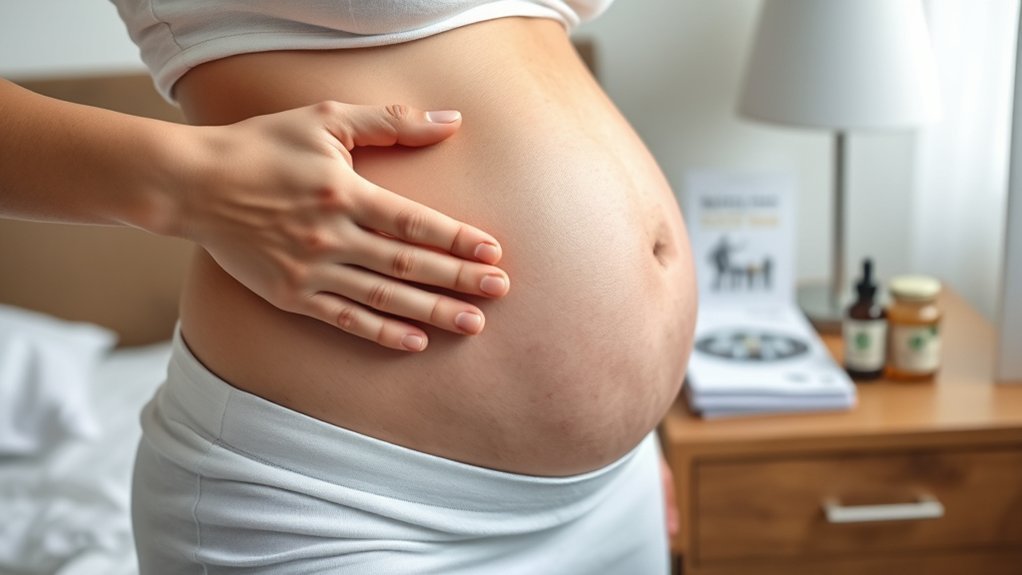
Healthy habits adopted early can help prevent hemorrhoids in future pregnancies. Here are some practical steps to consider:
| Measure | Description | Benefits |
|---|---|---|
| High-Fiber Diet | Include fruits, vegetables, and whole grains. | Promotes regular bowel movements and prevents constipation. |
| Stay Hydrated | Drink six to eight glasses of water daily. | Softens stools, reducing strain during bowel movements. |
| Exercise Regularly | Aim for at least 150 minutes of aerobic exercise weekly. | Improves circulation and bowel health. |
| Kegel Exercises | Incorporate into your routine for pelvic strength. | Enhances circulation and support to the rectal area. |
| Respond to Bathroom Urges | Don’t delay when you feel the urge. | Alleviates pressure on pelvic veins. |
Maintaining a high-fiber diet is especially important for preventing constipation, which is one of the main drivers of hemorrhoids during and after pregnancy.
Why Regular Postpartum Checkups Matter
Postpartum checkups play a vital role in your recovery after childbirth, especially since hemorrhoids are one of the most common issues women face during this period.
Regular postpartum checkups are vital for recovery, especially for addressing common issues like hemorrhoids after childbirth.
These visits, typically scheduled around six weeks after delivery, give your healthcare provider a chance to monitor your recovery and address any health concerns before they worsen.
- Talk openly about any symptoms, including pain or bleeding from hemorrhoids.
- Catch common postpartum issues early for better management.
- Get timely medical intervention if complications arise.
- Have both your physical and emotional well-being assessed.
- Get proper care if you’re among the many women affected by postpartum hemorrhoids. For more on health conditions at different life stages, this resource offers useful guidance.
Frequently Asked Questions
When Should You Worry About Postpartum Hemorrhoids?
If you have severe pain, significant bleeding, or ongoing symptoms like itching and swelling, see a doctor. The same applies if hemorrhoids protrude or come with other concerning signs.
At What Point Should You See a Doctor for a Hemorrhoid?
See a doctor if you have severe pain that doesn’t improve, heavy bleeding, hard or painful hemorrhoids, or symptoms that last more than a week. Fever or severe abdominal pain also need immediate medical attention.
How Long Should You Wait Before Seeing a Doctor?
If a hemorrhoid hasn’t improved after two weeks, it’s time to consult a doctor. Severe pain, heavy bleeding, or a protruding hemorrhoid should be evaluated sooner.
How Do You Know if a Hemorrhoid Is Serious?
Severe pain, heavy bleeding, or a protruding, painful hemorrhoid are all signs to see a doctor. The same goes for symptoms that don’t respond to home treatment or that come with fever or severe abdominal pain.
Wrapping Up
Paying attention to your symptoms and knowing when to get help for postpartum hemorrhoids is a key part of recovery. Severe pain or significant bleeding both warrant a call to your doctor. Many women, like first-time mother Sarah, dismiss symptoms early on, only to find that getting treatment sooner leads to much faster relief. Regular checkups keep you informed and on track. Take your symptoms seriously and reach out to your care team when something feels off.
