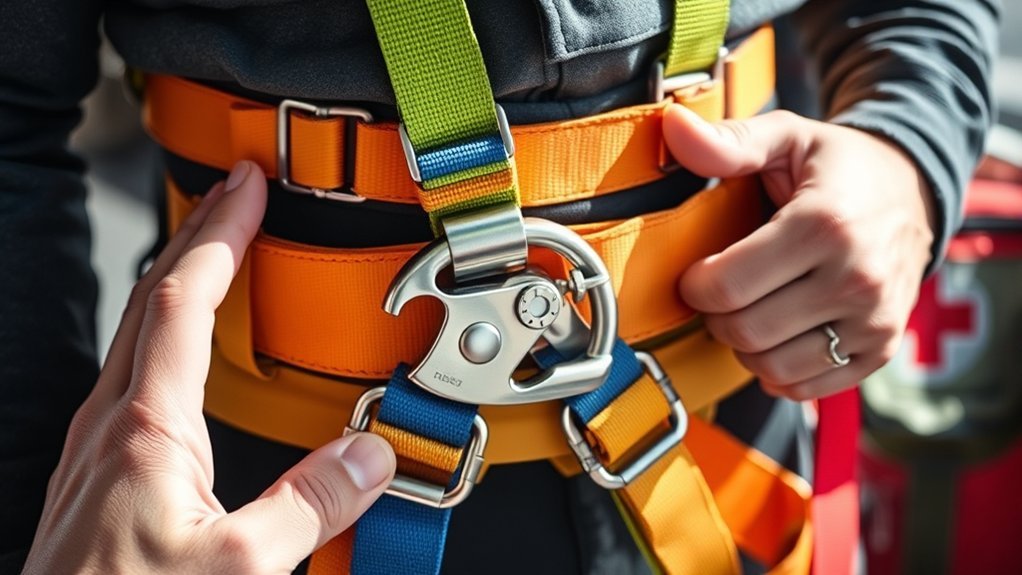
Many pet owners believe that any harness will suffice for their furry friends, but the truth is that a proper fit is essential for your pet’s comfort and safety. If you notice signs of distress, such as excessive pulling or chafing, it may indicate deeper issues at play. Understanding when to consult a veterinarian about harness fit can make a significant difference in your pet’s well-being. So, what should you look for to guarantee your pet is secure and comfortable?
Understanding the Importance of a Properly Fitting Harness
When you wear a harness, its fit can greatly impact your safety and comfort, so understanding the nuances of a properly fitting harness is vital.
A well-fitted harness distributes weight evenly across your body, reducing pressure points that can lead to discomfort or injury. To achieve this, verify the harness sits snugly but not too tight, allowing for a two-finger test between the harness and your skin.
A properly fitted harness evenly distributes weight, minimizing discomfort and injury; ensure it is snug yet allows a two-finger space.
Pay attention to the harness design; it should align with your body’s natural contours and movements. Additionally, check for adjustable straps that cater to your specific body type.
Regularly reassess the fit, especially if your weight fluctuates or you change clothing layers, as these factors can affect how the harness performs during use.
Signs of Discomfort in Your Pet
Pets communicate discomfort in various ways, and recognizing these signs is essential for their well-being.
It’s vital to pay attention to any changes in behavior that might indicate your pet is uncomfortable in their harness. Here are some signs to look for:
- Excessive pulling or resistance during walks
- Whining, barking, or vocalizing more than usual
- Frequent scratching or attempting to remove the harness
- Changes in posture, such as slouching or tensing up
- Reluctance to engage in activities they previously enjoyed
Common Harness Fit Issues
Identifying signs of poor harness fit is essential for your pet’s comfort and safety.
Look for indicators like chafing, restricted movement, or excessive pulling.
If you notice these issues, adjusting your harness can often resolve them and enhance your pet’s overall experience.
Signs of Poor Fit
A poorly fitting harness can lead to discomfort and even injury for your pet, making it essential to recognize the signs of a bad fit.
Here are some key indicators that your harness mightn’t be suitable:
- Chafing or Rubbing: Look for red or irritated skin where the harness makes contact.
- Restrictive Movement: If your pet struggles to walk or seems stiff, the harness may be too tight.
- Excessive Pulling: A harness that causes your pet to pull more than usual can indicate improper fit.
- Difficulty Breathing: Watch for signs of labored breathing or coughing when the harness is on.
- Frequent Escapes: If your pet consistently manages to wiggle out, the harness may be too loose.
Recognizing these signs is vital for your pet’s well-being.
Adjusting Your Harness
When adjusting your harness for a better fit, it’s important to focus on three common issues: size, placement, and strap tension.
First, verify you’re using the correct size; a harness that’s too large or small can lead to discomfort and safety risks.
Next, check the placement of the harness on your body. It should sit snugly, not sliding around but also not constricting movement.
Finally, adjust the strap tension to achieve a secure fit without pinching your skin. You should be able to fit two fingers between the straps and your body.
Regularly reassess your harness fit, especially after significant activity or weight changes. Proper adjustments can enhance your safety and overall experience.
When to Adjust the Harness
You should adjust the harness when you notice signs of improper fit, such as discomfort or restricted movement.
Establishing a regular adjustment schedule is essential, especially during periods of growth and development.
Staying proactive guarantees the harness continues to provide the necessary support and safety.
Signs of Improper Fit
Five key signs can indicate an improper fit of a harness, necessitating adjustments for safety and comfort.
Recognizing these signs early can prevent discomfort and potential injury. Here’s what to look for:
- The harness feels too loose or slips off during movement.
- You notice pinching or chafing on the skin.
- The harness causes restricted movement or difficulty breathing.
- You can fit more than two fingers between the harness and the body.
- The straps exhibit excessive wear or damage.
If you observe any of these signs, it’s essential to adjust the harness immediately.
Proper fit guarantees peak safety and a comfortable experience, allowing you to focus on your activities without worry.
Regular Adjustment Schedule
Regular adjustments to a harness are essential, especially as factors like growth, weight changes, or wear can affect its fit.
You should inspect the harness at least once a month to guarantee it remains snug yet comfortable. If you notice any signs of wear, such as fraying straps or weakened buckles, adjust or replace the harness immediately.
Additionally, after any significant activity, like a long walk or play session, check how the harness fits. It’s important to adjust the harness whenever you notice discomfort or shifting during use.
Keeping a consistent schedule helps prevent injury and guarantees your harness provides the necessary support and safety.
Growth and Development Changes
As pets grow and develop, their harness needs will change considerably. It’s vital to adjust the harness to guarantee their safety and comfort.
Watch for these signs indicating it’s time for a change:
- Weight Gain or Loss: Significant changes can affect fit.
- Age Milestones: Puppies and kittens grow quickly; adjust as they mature.
- Behavioral Changes: If your pet shows discomfort or tries to escape, reassess the fit.
- Increased Activity Levels: More vigorous play or exercise can necessitate adjustments.
- Seasonal Changes: Thickened fur in winter or shedding in summer can impact how the harness fits.
Regularly check the harness to keep your pet secure and comfortable during their growth journey.
The Role of a Veterinarian in Harness Fitting
While you might think harness fitting is a simple task, the expertise of a veterinarian can be invaluable in ensuring your pet’s comfort and safety.
Veterinarians understand your pet’s anatomy, which helps them identify the ideal harness type and fit. They can assess any existing health issues, such as joint problems or skin sensitivities, that might affect your pet’s harness experience.
Additionally, vets can recommend harnesses designed for specific breeds or sizes, ensuring maximum support and stability.
If you notice signs of discomfort or irritation after fitting, consulting a veterinarian can provide immediate solutions. Their professional insights not only enhance your pet’s well-being but also prevent potential injuries associated with improper harness fitting.
Always prioritize your pet’s health by seeking expert advice.
How to Measure Your Pet for a Harness
Choosing the right harness for your pet requires accurate measurements to confirm the best fit and comfort.
To make sure you get it right, follow these steps:
- Neck circumference: Measure around the widest part of your pet’s neck.
- Chest girth: Measure the circumference around the largest part of your pet’s chest, just behind the front legs.
- Body length: Measure from the base of the neck to the base of the tail for sizing reference.
- Weight: Weigh your pet to help determine the appropriate size category.
- Adjustability: Check for adjustability options in the harness design to accommodate growth or changes in weight.
Taking these measurements will help you choose a harness that supports your pet’s comfort and safety.
Different Types of Harnesses and Their Fits
Understanding the various types of harnesses available can greatly impact your pet’s comfort and safety during walks. Here’s a breakdown of common harness types and their fits:
| Harness Type | Best Fit For | Key Features |
|---|---|---|
| Back-clip Harness | Small to medium dogs | Easy to put on, reduces pulling |
| Front-clip Harness | Strong pullers | Redirects pulling behavior |
| Vest Harness | Smaller breeds | Distributes pressure evenly |
| No-pull Harness | Training purposes | Provides control with comfort |
| Multi-functional Harness | Active dogs | Versatile for various activities |
Choosing the right harness guarantees proper fit and functionality, enhancing both your pet’s enjoyment and your control during walks.
Tips for Maintaining Your Pet’s Harness
Regular maintenance of your pet’s harness is essential for guaranteeing safety and comfort, so here are some key tips to keep in mind:
- Inspect for Damage: Regularly check for frays, tears, or broken clips that could compromise safety.
- Clean It: Wash the harness according to the manufacturer’s instructions to prevent dirt buildup and odor.
- Adjust Fit: Periodically assess and adjust the harness fit, as your pet’s size may change over time.
- Store Properly: When not in use, store the harness in a cool, dry place to avoid wear and tear.
- Replace When Necessary: If you notice significant wear or damage, replace the harness to guarantee your pet remains secure during walks.
Following these tips will help maintain your pet’s harness effectively.
Frequently Asked Questions
Can a Poorly Fitting Harness Cause Long-Term Health Issues for My Pet?
Yes, a poorly fitting harness can lead to long-term health issues for your pet. It may cause discomfort, restrict movement, or lead to injuries. Regularly check the fit and adjust it as needed to guarantee your pet’s well-being.
How Often Should I Check My Pet’s Harness Fit?
You should check your pet’s harness fit weekly, especially during growth spurts or seasonal changes. Regular adjustments guarantee comfort and safety, preventing potential injuries or health issues caused by a poorly fitting harness.
Are There Specific Signs That Indicate I Need Professional Help?
If your pet’s in distress, showing unusual behavior, or experiencing pain, you definitely need professional help. Ironically, waiting for a “better” moment might just worsen the situation, so trust your instincts and act swiftly.
What Should I Do if My Pet Refuses to Wear the Harness?
If your pet refuses to wear the harness, try associating it with positive experiences. Gradually introduce it, reward them with treats, and make certain it fits comfortably. Patience is key; don’t rush the process.
Can Different Breeds Require Different Types of Harness Adjustments?
Absolutely, different breeds often need unique harness adjustments. Their body shapes and sizes vary considerably, which can affect how the harness fits. Ensuring a proper fit is essential for comfort and safety, so pay attention.
Conclusion
In conclusion, ensuring your pet’s harness fits properly is essential for their comfort and safety. But what happens if you notice signs of discomfort? Ignoring these signals could lead to serious health issues, leaving you with a heart-wrenching decision. Don’t wait until it’s too late—monitor your pet closely. If you see excessive pulling or chafing, it’s time to consult a veterinarian. Your pet’s wellbeing depends on your vigilance and prompt action to guarantee the right fit.
