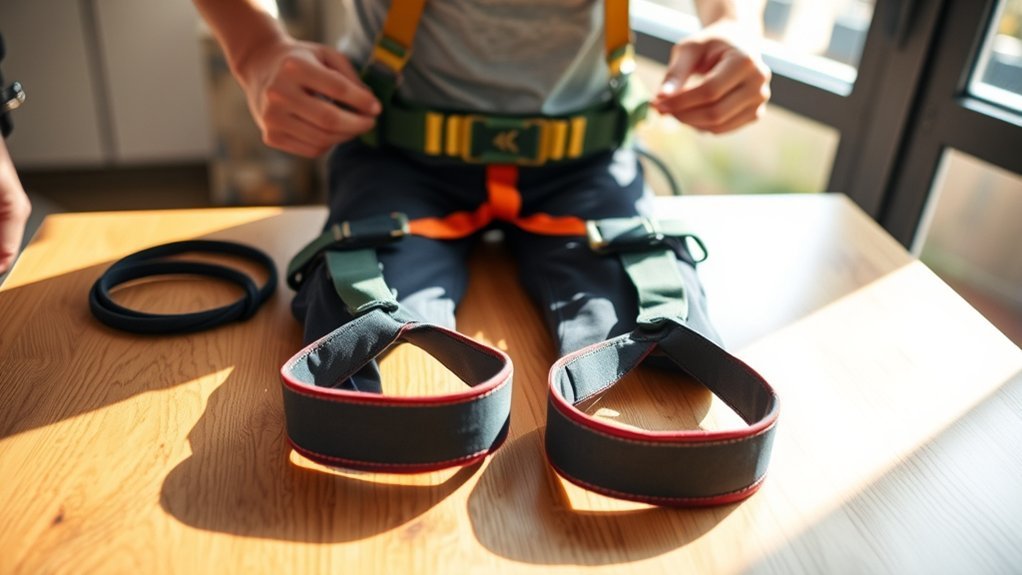
Just as a tailor crafts a suit to fit perfectly, guaranteeing your pet’s harness fits correctly is vital for their comfort and safety. Start by understanding the various types of harnesses available and how they cater to different needs. By following a systematic approach to measurement and adjustment, you can achieve the right fit. But how do you know if you’ve got it just right? Let’s explore the essential steps to make sure your pet enjoys every walk.
Understanding Different Types of Harnesses
When selecting a harness, it’s important to understand the various types available, as each serves a specific purpose and offers distinct features.
Choosing the right harness is essential, as each type offers unique benefits tailored to your pet’s needs.
There are front-clip harnesses, designed to discourage pulling by steering your pet towards you. Back-clip harnesses attach at the rear, ideal for relaxed walkers but may encourage pulling in excitable pets. A no-pull harness combines both front and back clips, offering versatility and control.
Additionally, there are vest-style harnesses providing more coverage and comfort, perfect for small or sensitive pets. For active dogs, a sport harness with a secure fit is beneficial during outdoor adventures.
Understanding these options helps guarantee you choose a harness that meets your pet’s needs and enhances your walking experience.
Measuring Your Pet for a Harness
Accurately measuring your pet for a harness is essential to ascertain a proper fit and maximum comfort.
Follow these steps to guarantee precision:
- Neck Measurement: Use a soft measuring tape around the base of your pet’s neck. Make sure it’s snug but not tight.
- Chest Girth: Measure the widest part of your pet’s chest, typically just behind the front legs. Keep the tape horizontal.
- Back Length: Measure from the base of the neck to the base of the tail. This helps determine the harness style.
- Weight: Weigh your pet for reference. This can aid in selecting appropriate harness specifications.
Taking these measurements will help you choose the right harness that fits securely and comfortably.
Choosing the Right Harness Size
Choosing the right harness size is essential for your pet’s comfort and safety, as an improper fit can lead to discomfort or even injury.
Start by referring to the manufacturer’s sizing chart, which typically includes measurements for chest girth, neck size, and body length. Measure your pet carefully, ensuring you follow the guidelines provided.
If your measurements fall between sizes, opt for the larger size to allow for adjustments. Keep in mind that different brands may have varying sizing standards, so always check each one individually.
Additionally, consider your pet’s breed and body shape, as some may require a specialized harness design. A well-fitting harness distributes pressure evenly, enhancing your pet’s overall experience during walks or outdoor activities.
Adjusting the Harness for a Perfect Fit
To guarantee your pet’s harness fits perfectly, you’ll need to make precise adjustments after selecting the right size.
Follow these steps to assure a secure fit:
- Loosen the Straps: Start with the straps completely loosened to allow for easy adjustments.
- Position the Harness: Place the harness on your pet, assuring the D-ring is on their back.
- Adjust the Chest Strap: Tighten the chest strap until it sits snugly but allows for a two-finger gap underneath.
- Secure the Belly Strap: Tighten the belly strap similarly, assuring it doesn’t restrict movement or cause discomfort.
After making these adjustments, check that the harness stays in place during movement, assuring it’s both functional and secure.
Ensuring Comfort and Safety During Walks
Once you’ve confirmed the harness fits snugly and securely, the next step is to focus on your pet’s comfort and safety during walks. Observe your pet’s behavior; verify they can move freely without chafing or restriction. Choose suitable walking routes, avoiding busy streets or rough terrain to reduce stress and potential injuries.
| Aspect | Recommendation |
|---|---|
| Harness Material | Soft, breathable fabric |
| Walking Duration | Gradually increase time |
| Hydration | Bring water for long walks |
Frequently Asked Questions
How Often Should I Check the Harness Fit?
You should check the harness fit regularly, ideally before each use and after significant activities. Frequent checks help guarantee safety and comfort, allowing you to adjust for any changes in your body or gear.
Can I Use a Harness for Training Purposes?
Absolutely, you can use a harness for training. Picture your dog confidently striding alongside you, the harness providing control while reducing strain. Just make certain it fits snugly, allowing freedom of movement without causing discomfort or restriction.
What Materials Are Best for a Durable Harness?
For a durable harness, opt for high-quality nylon or polyester. These materials resist wear and tear, provide strength, and offer weather resistance. Reinforced stitching and metal hardware enhance durability, ensuring the harness withstands rigorous training sessions.
Are There Specific Harnesses for Certain Dog Breeds?
Yes, certain harnesses cater to specific dog breeds, much like tailored suits. Breeds with unique body shapes or sizes benefit from customized designs, ensuring comfort and effective control during walks or training sessions for ideal performance.
What to Do if My Pet Dislikes the Harness?
If your pet dislikes the harness, start by associating it with positive experiences. Gradually introduce the harness during playtime or feeding, ensuring it’s comfortable. If necessary, consult a professional trainer for personalized strategies to ease their discomfort.
Conclusion
In summary, a well-fitted harness is like a well-tailored suit for your pet, enhancing both safety and comfort during walks. By understanding different harness types, measuring accurately, and making precise adjustments, you guarantee your furry friend can move freely and confidently. Regularly check the fit for any changes in size or comfort. With the right harness, you’re not just walking; you’re starting on a harmonious journey together, where every step is a delight for both of you.
