
Did you know that nearly 30% of adults report having food aversions that impact their eating habits? These aversions can stem from various factors, including past experiences and sensory sensitivities. Understanding how to navigate your preferences is essential for maintaining a balanced diet. It’s important to explore the do’s and don’ts of managing these aversions effectively, as this can help foster a healthier relationship with food. What strategies work best for you?
Understanding Food Aversions
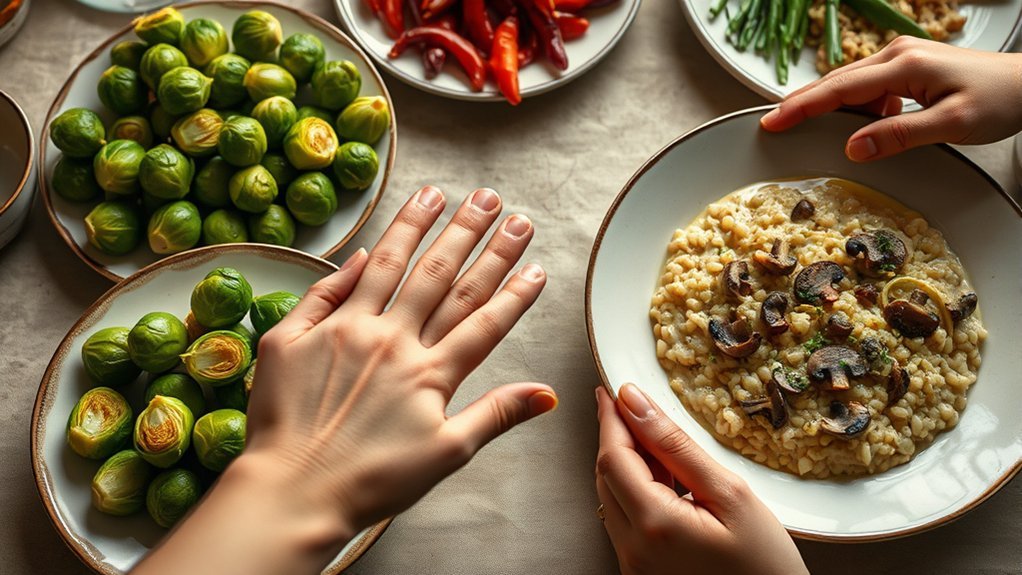
Understanding food aversions is essential for steering your dietary preferences and maintaining a balanced lifestyle. A food aversion typically involves a strong dislike or avoidance of certain foods, which can impact your nutritional intake.
Recognizing these aversions helps you make informed choices about what to eat, ensuring that you still obtain essential nutrients. It’s important to note that food aversions can vary widely among individuals and may stem from past experiences, sensory preferences, or even cultural influences.
Common Causes of Food Aversions

Food aversions can stem from both psychological factors and physical health issues.
You might find that stress, trauma, or past negative experiences with certain foods play a role in your preferences.
Additionally, underlying medical conditions can also trigger these aversions, making it essential to understand their origins for better management.
Psychological Factors
When you experience a food aversion, psychological factors often play a significant role, stemming from both personal experiences and broader societal influences.
Past negative experiences, such as food poisoning or a traumatic event involving a specific dish, can lead to lasting aversions. Emotional associations, like linking certain foods to stress or discomfort, further solidify these feelings.
Additionally, cultural norms and peer pressures can shape your perceptions of foods, leading to aversions based on societal values or trends. Cognitive biases may also reinforce your dislike; for example, if you hear negative comments about a food, you might develop an aversion without direct experience.
Understanding these psychological influences can help you address and potentially overcome your food aversions.
Physical Health Issues
While aversions to certain foods can stem from psychological factors, they can also be rooted in physical health issues that affect your body’s response to what you eat. Conditions like food allergies, intolerances, and gastrointestinal disorders can trigger negative reactions. When your body reacts poorly to specific foods, it’s natural to develop an aversion to them.
| Health Issue | Description |
|---|---|
| Food Allergies | Immune response causing discomfort |
| Food Intolerances | Difficulty digesting certain substances |
| Gastroesophageal Reflux | Acid reflux causing aversion to foods |
| Irritable Bowel Syndrome | Cramping and discomfort from certain foods |
Recognizing these physical causes can help you manage your aversions effectively. Always consult a healthcare professional for personalized advice.
Assessing Your Food Preferences
Understanding your food preferences is essential for creating a balanced diet that aligns with your lifestyle and health goals. Evaluating these preferences can help you make informed choices, leading to better overall well-being.
Understanding your food preferences is crucial for a balanced diet that supports your health and lifestyle aspirations.
Here are four key steps to take into account:
- Reflect on Past Experiences: Think about foods you’ve enjoyed or disliked and identify patterns.
- Experiment with New Foods: Try different cuisines and ingredients to discover what appeals to you.
- Take into Account Nutritional Needs: Align your preferences with your health requirements, such as dietary restrictions or goals.
- Keep a Food Journal: Track your meals and feelings to pinpoint cravings and aversions, helping you understand your preferences better.
Communicating Your Aversions to Others
When communicating your food aversions, it’s essential to be honest and clear about your preferences.
Using “I” statements helps express your feelings without placing blame on others, fostering understanding.
Additionally, suggesting alternatives respectfully can create a more inclusive dining experience for everyone involved.
Be Honest and Clear
Clear communication about your food aversions is essential for fostering understanding and support from those around you. When you express your preferences clearly, you minimize misunderstandings and enhance your dining experiences.
Here are some tips to contemplate:
- Be Direct: State your aversions plainly without ambiguity.
- Provide Context: Explain why certain foods are off-limits, whether due to allergies, past experiences, or personal preference.
- Encourage Questions: Invite others to ask about your aversions, fostering an open dialogue.
- Stay Calm and Respectful: Approach the conversation with a positive attitude, ensuring others feel comfortable discussing food choices.
Use “I” Statements
Using “I” statements is a powerful way to communicate your food aversions effectively. When you say, “I don’t enjoy mushrooms,” instead of, “You always put mushrooms in everything,” you focus on your feelings rather than blaming others.
This approach fosters a more constructive dialogue, reducing defensiveness and promoting understanding. Research shows that using “I” statements encourages open communication, making it easier for others to empathize with your preferences.
It also helps you assert your needs without alienating those around you. By expressing your aversions in this manner, you’re more likely to create a supportive environment where your dietary preferences are respected and acknowledged.
Suggest Alternatives Respectfully
Although it’s important to communicate your food aversions, suggesting alternatives can enhance the conversation and make it more constructive. By doing so, you show respect for others’ efforts while maintaining your dietary needs.
Here are four effective ways to suggest alternatives respectfully:
- Offer a Substitute: If someone serves a dish you can’t eat, suggest a specific replacement they might consider.
- Share Your Preferences: Let them know your favorite ingredients, which can guide their meal planning.
- Be Positive: Frame suggestions in a positive light, emphasizing what you enjoy rather than what you dislike.
- Encourage Collaboration: Invite them to brainstorm meal ideas together, fostering a sense of teamwork.
This approach not only conveys your aversions but also nurtures understanding and cooperation.
Meal Planning With Food Aversions
When planning meals for individuals with food aversions, it’s vital to take into account their specific preferences and sensitivities to guarantee a positive dining experience.
Start by engaging in open discussions about their dislikes and any adverse reactions they may have. Prioritize fresh, whole ingredients that align with their tastes while avoiding trigger foods.
Consider creating a diverse menu that includes a variety of textures and flavors to keep meals interesting. Portion control can also be essential; smaller servings allow for gradual exposure without overwhelming them.
Finally, involve individuals in the meal planning process—this empowers them and can lead to more satisfying choices.
Finding Alternatives and Substitutes
Finding alternatives and substitutes for foods that trigger aversions can greatly enhance your dining experience. By exploring new ingredients, you can maintain a balanced diet without discomfort.
Exploring food alternatives can transform your meals, ensuring a balanced diet while avoiding discomfort.
Here are four alternatives to take into account:
- Dairy: If you’re averse to dairy, try almond or oat milk as a nutritious substitute.
- Gluten: For gluten aversions, quinoa or brown rice can provide a hearty base for meals.
- Red Meat: If red meat isn’t your thing, lean poultry or plant-based proteins like legumes can satisfy your protein needs.
- Sugar: Instead of refined sugar, think about using natural sweeteners like honey or stevia to enhance flavors without the adverse effects.
Experimenting with these substitutes can lead to enjoyable meals tailored to your preferences.
Staying Open to New Experiences
Embracing new culinary experiences can be a transformative journey, especially when dealing with food aversions. By challenging yourself to try unfamiliar foods, you open the door to a wider range of flavors and nutrients.
Research shows that repeated exposure to certain foods can reduce aversions over time, making you more adaptable in various dining situations. Start with small portions to ease into new tastes without overwhelming your palate. Keep an open mind and remind yourself that your preferences can evolve.
Engage with diverse cuisines, as they can introduce you to exciting ingredients that might surprise you. Remember, every new dish is an opportunity to learn more about your own tastes and expand your culinary repertoire.
Managing Social Situations
Maneuvering social situations can be particularly challenging if you have food aversions. You might feel pressured to conform or hide your preferences, but managing these encounters can be easier with some strategies.
Here are four tips to help you navigate:
- Communicate Early: Let hosts know about your aversions ahead of time, so they can plan accordingly.
- Offer to Bring a Dish: Prepare something you enjoy and can eat, ensuring you have a safe option available.
- Suggest Alternatives: If dining out, propose restaurants with diverse menus that accommodate your needs.
- Practice Mindfulness: Focus on the social aspects instead of the food, making connections rather than dwelling on what’s on your plate.
Using these tactics can help you feel more at ease in social settings.
Maintaining a Positive Relationship With Food
While managing food aversions can be challenging, maintaining a positive relationship with food is essential for overall well-being. Focus on creating a balanced approach that emphasizes enjoyment and nourishment. Here are some strategies to help:
| Do’s | Don’ts | Tips |
|---|---|---|
| Experiment with new flavors | Force yourself to eat foods you dislike | Listen to your body’s cues |
| Practice mindful eating | Label foods as “good” or “bad” | Celebrate small victories |
| Involve friends in cooking | Avoid social situations around food | Seek professional guidance if needed |
Frequently Asked Questions
Can Food Aversions Develop Suddenly in Adults?
Yes, food aversions can develop suddenly in adults due to various factors like stress, illness, or changes in taste perception. It’s crucial to identify triggers and adapt your diet accordingly for better health and well-being.
Are Food Aversions Linked to Mental Health Issues?
Absolutely, food aversions often intertwine with mental health issues. When stress or anxiety creeps in, your body might react by rejecting certain foods, reflecting deeper emotional struggles that deserve attention and understanding.
How Can I Support a Friend With Food Aversions?
You can support your friend by listening to their feelings, respecting their choices, and offering alternatives. Encourage them to explore new foods together, but avoid pushing them. Create a safe, understanding environment for open dialogue.
Do Food Aversions Differ Between Children and Adults?
Yes, food aversions often differ between children and adults. While children may reject foods due to texture or color, adults typically have more complex reasons tied to past experiences or health concerns, shaping their preferences.
Can Cultural Factors Influence Food Aversions?
Yes, cultural factors can influence food aversions. Your upbringing, traditions, and social environment shape your perceptions of certain foods, often leading to strong preferences or aversions based on what’s deemed acceptable or tasty within your culture.
Conclusion
In managing food aversions, remember that balance is key. By experimenting with new flavors and involving friends in the cooking process, you can transform your relationship with food. How might a small change in your meal planning open the door to new culinary experiences? Embrace the journey without labeling foods as “good” or “bad,” and celebrate every step you take toward expanding your palate. This mindful approach fosters positivity and enjoyment in your eating habits.
