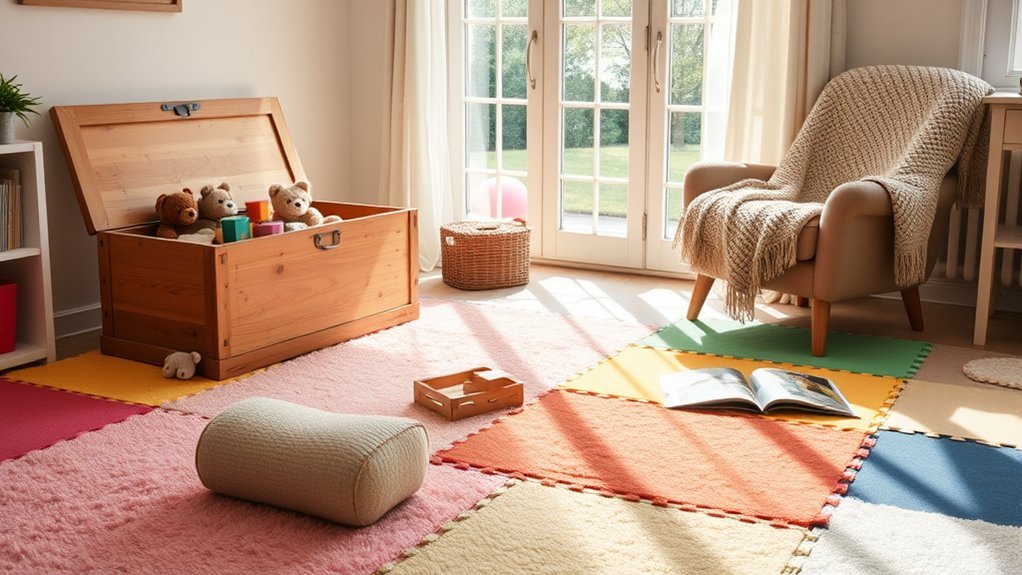
You might not realize how much floor setup can impact your child’s development. The way you arrange play areas directly affects their exploration, creativity, and social interactions. By thoughtfully organizing these spaces, you create a safe environment that encourages independence and learning. But there’s more to it than just safety and comfort—understanding the nuances of floor setup can transform playtime into something truly enriching. What should you consider when crafting the perfect play area?
Understanding Floor Setup and Its Importance
When you think about creating a welcoming space for your child, understanding floor setup is essential. The layout influences how your little one explores, plays, and interacts with their environment.
Consider open spaces that allow for movement, encouraging your child to crawl, walk, or run freely. Use soft, safe materials like rugs or mats to cushion falls and create cozy areas for play.
Think about dividing the space into zones for different activities, such as reading, building, or imaginative play. This not only sparks creativity but also helps your child learn to navigate their surroundings.
A well-thought-out floor setup invites exploration, fosters independence, and nurtures your child’s development in a safe, engaging environment.
The Role of Floor Setup in Child Development
Your floor setup can greatly impact your child’s development, fostering both independent play and social interaction. By thoughtfully arranging the space, you create opportunities for your little one to explore and connect with others. This intentional design not only nurtures their creativity but also builds essential social skills as they engage with peers. Additionally, creating a supportive environment aligns with the principles of early childhood development that emphasize the importance of nurturing mental and emotional health in young children.
Encouraging Independent Play
While fostering a child’s independence might seem challenging, the right floor setup can make all the difference. By creating a safe and inviting play area, you empower your child to explore their interests and engage in independent play.
Use soft rugs, cushions, and open spaces, allowing them to move freely and choose activities that spark their curiosity. Incorporate diverse toys and materials within reach, promoting self-directed exploration.
This setup encourages decision-making, creativity, and problem-solving skills. Keep in mind that your involvement should be supportive yet minimal; give them the space to learn on their own.
Enhancing Social Interaction
A well-thought-out floor setup not only encourages independent play but also enhances social interaction among children. When you arrange toys and activity areas to promote collaboration, kids naturally gravitate toward one another.
Consider including spaces for group activities, like building blocks or art stations. This setup invites conversations, sharing, and teamwork, which are essential for developing social skills.
You might notice your child negotiating roles in play or learning to express their feelings better as they interact with peers. By fostering an environment where kids can easily connect, you’re not just supporting play; you’re nurturing friendships and emotional intelligence.
Ultimately, a thoughtful floor setup can transform playtime into valuable social learning moments that benefit your child’s development.
Creating Safe and Comfortable Play Spaces
Creating safe and comfortable play spaces is essential for fostering a child’s development and ensuring peace of mind for parents. By designing an environment that encourages exploration, you’re allowing your child to express their creativity and learn through play.
Start by choosing soft, cushioned flooring to minimize the risk of injury during those inevitable tumbles. Keep the area clutter-free to promote movement and focus, while also ensuring that toys are age-appropriate and safe.
Consider adding cozy elements like bean bags or rugs, creating inviting spots for quieter activities. Adequate lighting can also enhance the space, making it warm and welcoming. Additionally, incorporating safety tips for home can further enhance the play area, ensuring that it is a secure environment for children to explore.
When children feel secure in their play area, they’re more likely to thrive emotionally and socially, benefiting everyone involved.
Choosing the Right Materials for Floor Setup
When selecting materials for your floor setup, it’s essential to take into account both safety and comfort for your little ones.
Look for soft, cushioned surfaces like foam tiles or plush rugs that can absorb falls and provide a cozy play area. Non-toxic materials are a must; always check labels to verify they’re free from harmful chemicals.
Easy-to-clean options, like vinyl or waterproof mats, can save you time and hassle during messier playtimes. Additionally, consider the flooring’s durability, as energetic play can wear down materials quickly.
Finally, choose colors and patterns that stimulate creativity while making the space inviting. Furthermore, early dental care is vital, as it lays the foundation for a lifetime of good oral health.
Incorporating Zones for Different Activities
To foster an engaging and organized play environment, it’s important to incorporate distinct zones for different activities. By creating specific areas for reading, art, and active play, you’ll help your child focus and thrive.
Designate a cozy corner with cushions for quiet time and a table with art supplies for creative projects. Consider adding a space for movement, like a mini obstacle course or soft play area, encouraging physical activity.
Use rugs or furniture to visually separate these zones, making shifts smoother. This setup not only enhances play but also teaches your child about organization and responsibility.
Encouraging Creativity Through Floor Layout
A thoughtfully designed floor layout can spark your child’s imagination and boost their creativity.
By arranging the space intentionally, you can create an environment that encourages exploration and play.
Intentionally arranged spaces foster exploration and play, igniting your child’s creativity and imagination.
Here are three ways to enhance creativity through your floor layout:
- Open Spaces: Leave room for movement and spontaneous play, allowing your child to engage freely with their surroundings.
- Interactive Zones: Designate areas for different activities—art, building, or dramatic play—so your child can easily shift and explore various creative outlets.
- Visual Stimuli: Incorporate colorful rugs, art displays, or themed areas that inspire curiosity and imaginative thinking.
Tips for Maintaining an Engaging Play Environment
Keeping your child’s play environment engaging is all about thoughtful organization and variety.
By effectively organizing play materials and rotating activities regularly, you can spark their curiosity and creativity.
Let’s explore some simple strategies to keep playtime fresh and exciting!
Organize Play Materials Effectively
When you organize play materials effectively, you create an inviting space that sparks your child’s imagination and encourages exploration.
A well-structured play area not only promotes creativity but also teaches responsibility. Here are three tips to help you get started:
- Categorize: Group similar items together, like blocks, art supplies, and puzzles. This makes it easier for your child to find what they need.
- Use Clear Containers: Transparent bins or labeled boxes allow your child to see their options at a glance, promoting independence in playtime choices.
- Keep it Accessible: Store materials at your child’s height so they can easily reach and return items, fostering a sense of ownership.
Rotate Activities Regularly
Organizing play materials effectively sets the stage for your child’s creativity, but maintaining that spark requires regular updates to the activities available. By rotating activities regularly, you keep their interest alive and encourage exploration.
Try swapping out toys, books, or art supplies every few weeks. This simple change can reignite their curiosity and imagination.
You might also consider introducing seasonal themes or focusing on specific skills, like building or storytelling. Don’t hesitate to ask your child for input—letting them choose what to try next fosters ownership and excitement.
Frequently Asked Questions
How Often Should I Change My Child’s Floor Setup?
You should change your child’s floor setup every few months or when you notice their interests shifting. Regular updates keep their environment engaging, fostering creativity and exploration while ensuring they feel comfortable and inspired.
What Age Is Best to Start Floor Setup?
You can start floor setup around six months when your child begins to explore. It encourages movement and curiosity, helping them develop essential skills. Just guarantee the space is safe and inviting for their adventures!
Can Floor Setup Impact My Child’s Social Skills?
A well-planned floor setup encourages interaction, helping your child develop essential social skills. When kids engage with peers in a structured environment, they learn sharing, cooperation, and communication—skills that’ll serve them for life.
How Can I Involve My Child in the Setup Process?
You can involve your child by discussing their preferences, letting them choose toys or furniture placement, and encouraging them to help organize space. This fosters ownership and excitement, making the setup process a fun bonding experience.
Are There Any Specific Toys That Work Best for Floor Setups?
Studies show that 85% of children’s learning happens through play. For effective floor setups, choose open-ended toys like building blocks, art supplies, and soft animals. These encourage creativity, exploration, and social interaction, enhancing your child’s developmental experience.
Conclusion
In today’s fast-paced world, creating a thoughtful floor setup for your child can feel like finding a hidden treasure. By prioritizing safety, comfort, and creativity, you’re setting the stage for endless exploration and learning. Remember, a well-organized play space isn’t just about fun; it’s a launchpad for your little one’s growth. So, roll up those rugs and clear the clutter—your child’s adventure awaits, and you’re the architect of their playful world!
