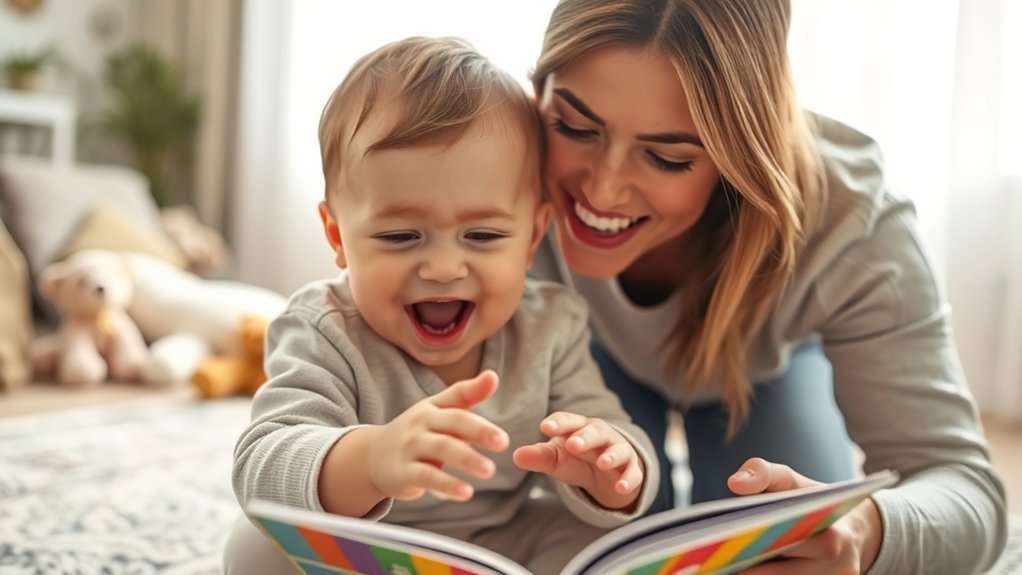
It’s a coincidence that the moment your child utters their first words coincides with your own feelings of nostalgia. This milestone isn’t just a simple utterance; it represents a significant leap in their cognitive growth and your emotional connection. Understanding the implications of these first words can help you foster their communication skills further. What does this mean for your relationship moving forward? Let’s explore the layers of this profound moment together.
The Significance of First Words in Child Development
First words are a monumental milestone in a child’s development, marking the change from coos and babbles to meaningful communication. Recognizing this transformation is essential for you as a parent. Your child’s first words signify their growing understanding of the world and their ability to express needs and emotions.
This moment not only boosts your child’s confidence but also strengthens your bond. It’s crucial to encourage language development through interaction—talking, reading, and singing together. These activities create a rich language environment, fostering vocabulary growth.
Pay attention to your child’s cues and respond enthusiastically, as this engagement lays a foundation for future communication skills. Celebrating these first words helps you appreciate the journey of language acquisition and the unique milestones ahead.
Understanding the Emotional Impact of First Words
While the excitement of hearing your child’s first words is palpable, the emotional impact of this milestone runs even deeper. You may find yourself experiencing a whirlwind of feelings, as this moment signifies a profound connection.
Understanding these emotions can help you navigate the journey ahead:
Recognizing these emotions can enhance your parenting journey, allowing you to fully embrace this significant milestone.
- Joy: You revel in the uniqueness of this achievement.
- Pride: Your child’s ability to communicate fosters a sense of accomplishment.
- Nostalgia: You reflect on their early days, recognizing how quickly they’ve grown.
- Hope: You envision future conversations and shared experiences.
- Vulnerability: You may feel a sense of responsibility for nurturing their emerging voice.
Recognizing these emotions allows you to appreciate the depth of this developmental milestone, enriching your parenting experience.
How First Words Reflect Cognitive Growth
As your child begins to speak their first words, you’re witnessing a significant milestone in their language acquisition journey.
These early utterances not only showcase their developing vocabulary but also serve as essential indicators of cognitive growth.
Language Acquisition Milestones
Language acquisition milestones are essential indicators of a child’s cognitive growth, and observing the emergence of first words can be both exciting and enlightening for parents. These initial verbal expressions signal more than just communication; they reflect a child’s developing understanding of the world around them.
Consider the following aspects of language acquisition milestones:
- Vocabulary Development: First words often represent important objects or people in a child’s life.
- Symbolic Thinking: Words symbolize concepts, demonstrating cognitive connections.
- Social Interaction: First words facilitate engagement with caregivers and peers.
- Expressive Language: They mark the beginning of expressing needs and emotions.
- Cognitive Coordination: First words indicate a child’s ability to coordinate thoughts and language.
Recognizing these milestones helps you appreciate your child’s ongoing development.
Cognitive Development Indicators
First words aren’t just a milestone; they also serve as powerful indicators of your child’s cognitive development. When your little one begins to speak, it reflects their ability to understand and categorize the world around them. Each word represents an idea, showcasing their grasp of concepts and relationships. For instance, saying “mama” or “ball” indicates they’re recognizing important people and objects, linking language to meaning.
Moreover, these early words signal emerging memory skills and the ability to express thoughts and needs. As you engage with their newfound language, you’re not only nurturing communication but also fostering critical thinking.
Celebrating these first words can enhance their confidence, encouraging further exploration and learning as their cognitive abilities continue to grow.
Encouraging Language Development in Early Childhood
To foster your child’s language development, early exposure to words is essential.
Engaging in interactive activities and reading together daily can greatly enhance their vocabulary and communication skills.
Importance of Early Exposure
While you may not realize it, the words and sounds your child hears during their earliest months play an essential role in shaping their language development. Early exposure to language enriches their ability to communicate and understand the world. Here’s why it matters:
- Brain Development: Early sounds stimulate neural connections important for speech.
- Vocabulary Growth: Diverse language input helps expand your child’s word bank.
- Social Skills: Hearing conversations teaches turn-taking and listening.
- Emotional Bonding: Talking to your child fosters closeness and security.
- Cognitive Skills: Language exposure supports critical thinking and problem-solving.
Engaging with your child through conversations, songs, and stories lays the foundation for their future language skills, enhancing their learning journey.
Interactive Activities for Growth
Engaging your child in interactive activities can greatly boost their language development, as these experiences not only make learning enjoyable but also foster essential communication skills.
Try playing simple games like “Simon Says” or “I Spy,” which encourage your child to follow directions and express their thoughts. Singing songs and nursery rhymes introduces new vocabulary in a fun way, while also enhancing rhythm and memory.
Additionally, puppet play can stimulate imagination and storytelling, allowing your child to practice dialogue. Incorporating everyday tasks, like cooking or shopping, provides rich opportunities to discuss items and actions, further expanding their language.
Reading Together Daily
Reading together daily can be one of the most impactful ways to foster your child’s language development. This simple yet profound activity not only enhances vocabulary but also strengthens your bond.
When you share stories, your child engages in the narrative, developing both comprehension and imagination.
Consider these benefits:
- Vocabulary Expansion: Introducing diverse words through varied stories.
- Listening Skills: Encouraging attentive listening and focus.
- Imagination Stimulation: Inspiring creativity through visualizing stories.
- Emotional Connection: Building trust and closeness as you share experiences.
- Routine Establishment: Creating a comforting daily ritual that promotes consistency.
Make reading a priority, and you’ll witness the remarkable growth in your child’s language abilities and confidence.
The Role of Parents in Fostering Communication Skills
Effective communication is an essential skill that shapes a child’s ability to connect with others and navigate the world. As a parent, you play a pivotal role in fostering these skills. Engaging in meaningful conversations, using varied vocabulary, and encouraging your child to express thoughts can greatly enhance their communication abilities.
| Strategies | Impact |
|---|---|
| Active Listening | Builds trust and understanding |
| Storytelling | Expands vocabulary and imagination |
| Asking Open-Ended Questions | Encourages critical thinking |
Celebrating Milestones: What Comes After the First Words
Once your child utters their first words, a new world of communication unfolds, signaling not just a milestone but the beginning of a journey rich with expression and connection.
As you celebrate this achievement, it’s essential to recognize what comes next in their developmental path.
- Encourage vocabulary expansion through reading together.
- Engage in conversations to enhance their understanding of language.
- Introduce simple storytelling to foster creativity.
- Observe their non-verbal cues to deepen emotional intelligence.
- Celebrate each new phrase to build confidence and enthusiasm.
Frequently Asked Questions
At What Age Should I Expect My Child to Say Their First Word?
You can expect your child to say their first word around 12 months old, though some might start earlier or later. Every child develops at their own pace, so be patient and encourage communication.
What Are Some Common First Words for Toddlers?
Common first words for toddlers include “mama,” “dada,” “ball,” “more,” and “no.” These simple words often reflect their immediate environment and interests, helping you connect and understand their needs and emotions as they grow.
Should I Be Concerned if My Child Is Late to Speak?
It’s natural to worry if your child’s speech is delayed, but every child develops at their own pace. Observing other skills, consulting a pediatrician, and providing a supportive environment can help ease your concerns.
How Can I Tell if My Child Understands Language?
Like a budding flower, your child’s understanding of language unfolds gradually. Watch for their responses to familiar words, gestures, and expressions. If they follow simple commands or mimic sounds, they’re grasping the beauty of communication.
What Resources Can Help Me Support My Child’s Language Development?
You can support your child’s language development by using interactive books, engaging in conversations, playing educational games, and utilizing apps designed for language learning. Consistency and encouragement will boost their confidence and skills.
Conclusion
In the tapestry of your child’s development, first words are vibrant threads that weave together joy, connection, and hope. These milestones aren’t just sounds; they’re the blossoms of communication, signaling a new chapter in your relationship. By nurturing this budding language, you’re not only fostering their growth but also deepening your bond. As you celebrate these initial utterances, remember that each word is a stepping stone to countless conversations, each one a bridge to understanding and love.
