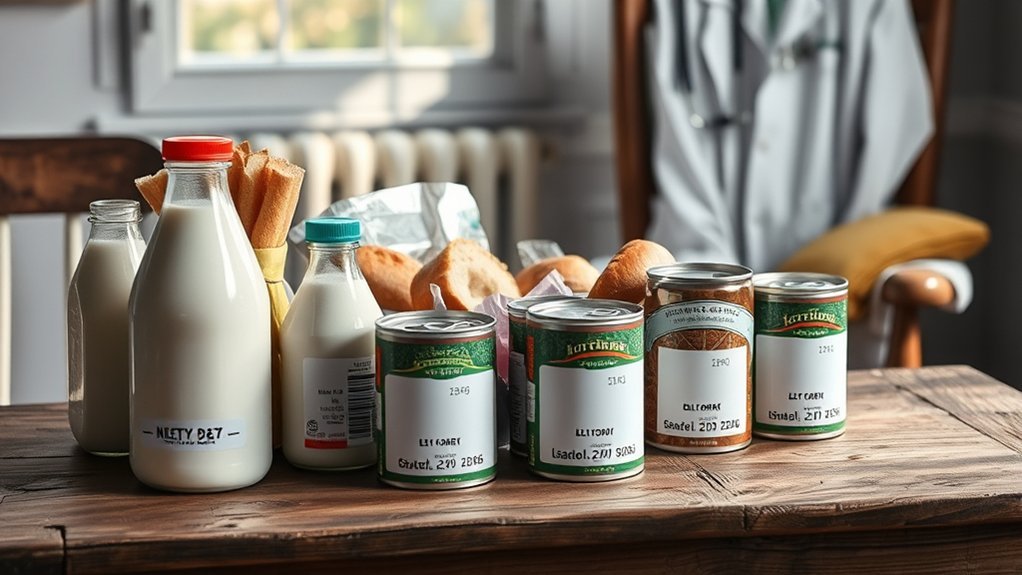
Expiration dates are more than just numbers on a label; they play a crucial role in your health. Understanding the difference between terms like “best by,” “use by,” and “sell by” can help you make safer choices. But what happens if you consume something that’s past its prime? Recognizing the signs of spoilage and knowing when to seek medical help can make all the difference. Let’s explore how to protect yourself in these situations.
Understanding Expiration Dates: What Do They Mean?
When you glance at a product’s expiration date, it might seem like just another number, but it actually holds significant meaning.
This date indicates when a product is expected to maintain its best quality and safety. After this date, the product may not perform as intended or could pose health risks.
It’s essential to understand that expiration dates aren’t just arbitrary; they’re based on extensive testing and research.
For perishable items, like dairy and meat, consuming them past this date can lead to foodborne illnesses. Non-perishables may still be safe past their expiration but could lose flavor or nutritional value.
Always pay attention to these dates, as they help you make informed decisions about what’s safe to consume.
The Difference Between “Best By,” “Use By,” and “Sell By”
Understanding the differences between “Best By,” “Use By,” and “Sell By” dates can help you make better choices about your food.
“Best By” dates indicate when a product is at its peak quality, but it’s often still safe to consume after this date.
Best By dates mark peak quality, yet many products remain safe to enjoy beyond this timeframe.
“Use By” dates are more critical, as they signify the last day a product is safe to eat, especially for perishable items.
Finally, “Sell By” dates guide retailers on how long to display a product for sale; it doesn’t necessarily mean the item is bad after this date.
Familiarizing yourself with these terms can help you avoid waste and guarantee you’re consuming food that’s safe and enjoyable.
Always trust your senses and judgment when evaluating food quality.
How Expired Medications Can Affect Your Health
Expired medications can pose serious risks to your health, especially if you rely on them for managing chronic conditions or treating acute illnesses.
Over time, these medications can lose potency, making them ineffective when you need them most. This can lead to worsened symptoms or complications, particularly in critical situations.
In some cases, expired medications may even cause harmful side effects, as their chemical composition can change. You might think that taking an expired pill is harmless, but it’s essential to consult your doctor before doing so.
Always check expiration dates and properly dispose of any expired medications. Trust your health to effective treatments, and don’t risk your well-being with outdated options.
Stay informed and proactive about your medication management.
Recognizing Signs of Spoiled Food and When to Discard It
How can you tell if your food has gone bad? It’s essential to recognize the signs to avoid potential health risks. Here are four key indicators:
- Smell: If it has a sour or off-putting odor, it’s likely spoiled.
- Appearance: Look for discoloration, mold, or unusual textures. If it looks strange, toss it.
- Taste: If you take a small bite and it tastes off, don’t eat more; discard it immediately.
- Expiration Date: Check the label. If it’s past the date, it’s better to be safe than sorry.
Trust your senses and err on the side of caution.
Rely on your instincts and prioritize safety when it comes to food freshness.
When in doubt, throw it out! Keeping yourself safe is always the priority.
When to Seek Medical Attention After Consuming Expired Products
If you’ve consumed food past its expiration date and start feeling unwell, it’s essential to know when to seek medical help. Generally, you should consult a doctor if you experience severe symptoms or if they persist. Here’s a quick guide:
| Symptoms | When to Seek Help | Possible Actions |
|---|---|---|
| Nausea | If it lasts more than 24 hours | Hydration, rest |
| Vomiting | More than 3 times in a day | Medical attention |
| Diarrhea | Severe or bloody | Rehydration, doctor visit |
| Fever | Over 101°F (38.3°C) | Seek immediate care |
Always trust your instincts. If you’re unsure about your symptoms, don’t hesitate to call a healthcare professional for guidance. Your health is a priority!
Frequently Asked Questions
Can I Donate Expired Medications to Charity?
You can’t donate expired medications to charity. Most organizations won’t accept them due to safety concerns. It’s best to dispose of expired medications properly and check with local pharmacies for safe disposal options.
How Long After Expiration Are Products Still Effective?
Like a ticking clock, most medications lose potency after their expiration date, typically within one to three years. You should avoid using them past this point to guarantee safety and effectiveness. Always prioritize your health.
Are There Legal Consequences for Using Expired Products?
Yes, there can be legal consequences for using expired products, especially in industries like food and pharmaceuticals. If harm occurs due to expired usage, you might face liability or regulatory actions, so always check expiration dates.
How Should I Properly Dispose of Expired Medications?
To properly dispose of expired medications, take them out of their original containers, mix them with an unpalatable substance like cat litter, and seal in a bag. Then, discard it in your household trash.
Do Expiration Dates Apply to All Food Types Equally?
Not all food types follow expiration dates equally. Perishables like dairy spoil quickly, while canned goods can last much longer. Always check for signs of spoilage, and trust your senses to guide your decisions.
Conclusion
In the end, it’s ironic that those little dates on your food and meds can feel so unimportant—until they’re not. Ignoring expiration dates might save you a few bucks, but risking your health isn’t worth the gamble. If you experience any concerning symptoms after consuming expired products, don’t hesitate to call a doctor. After all, it’s better to be safe and embarrassed than sorry and sick. Trust your instincts; they’re your best expiration date.
