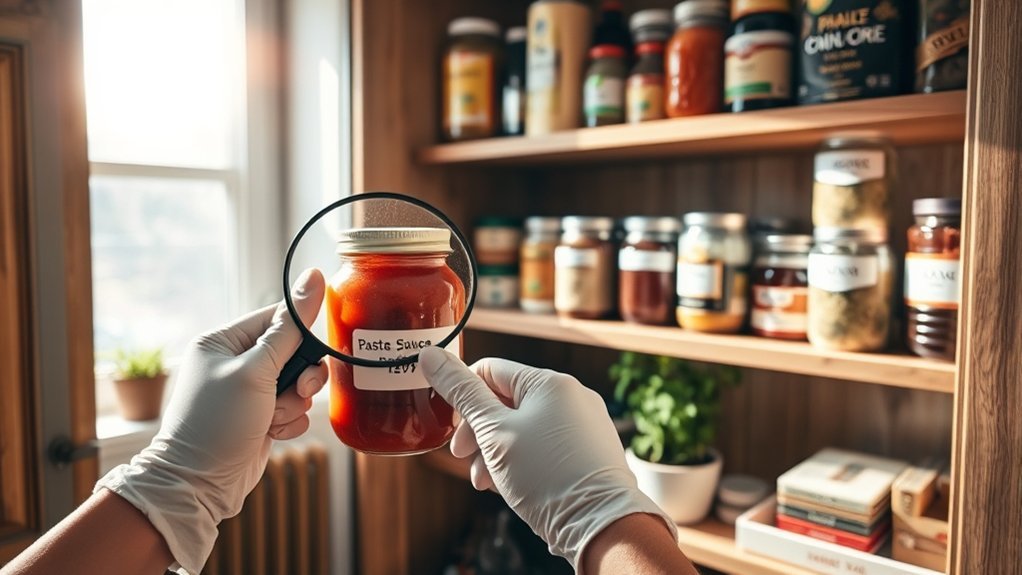
Understanding expiration dates is essential for managing your food supplies effectively. You need to differentiate between expiration, sell-by, and best-by dates to make informed choices. Proper food storage plays a major role, as does organizing your pantry and fridge. By implementing these strategies, you can greatly reduce waste. So, how can you guarantee that you’re making the most of your grocery purchases while keeping spoilage at bay? Let’s explore some practical techniques.
Understanding Expiration Dates
Although expiration dates might seem straightforward, understanding them requires a closer look at their implications for food safety and quality.
These dates serve as guidelines, indicating when a product is likely to maintain ideal freshness and safety. However, they don’t always reflect the actual safety of the food. Factors like storage conditions and packaging can greatly impact a product’s longevity.
When you check expiration dates, consider your senses—look for signs of spoilage, such as off odors or unusual textures.
It’s essential to recognize that some foods can remain safe to consume after their expiration date, while others may pose health risks. Staying informed about these nuances will help you make better decisions regarding food consumption and reduce waste.
The Difference Between Expiration, Sell-By, and Best-By Dates
Understanding the distinctions between expiration, sell-by, and best-by dates is essential for making informed food choices.
The expiration date indicates the last day the product is guaranteed to be safe and effective. Consuming food past this date may pose health risks.
The expiration date marks the final day for guaranteed safety; eating beyond this point may lead to health risks.
The sell-by date, on the other hand, serves as a guideline for retailers, signaling when to remove a product from shelves. It’s not a safety date, so you can still consume items shortly after this date if stored properly.
Best-by dates suggest when a product will be at its peak quality, not necessarily its safety. This means food can still be safe to eat after this date, although its taste and texture might decline.
How to Properly Store Food
Properly storing food is essential for maintaining its freshness and safety, as improper storage can lead to spoilage and foodborne illnesses.
Start by keeping your refrigerator at or below 40°F (4°C) to slow bacterial growth. Use airtight containers to prevent moisture and odors from affecting your food.
For dry goods, like grains and cereals, store them in a cool, dark place to prolong shelf life. Always label items with purchase dates to track freshness.
Remember to separate raw meats from ready-to-eat foods to avoid cross-contamination.
When freezing, use freezer-safe bags or containers, and remove excess air to prevent freezer burn.
Following these guidelines guarantees that your food remains safe to eat and retains its intended quality.
Organizing Your Pantry and Fridge
Keeping your food fresh starts with proper storage, but an organized pantry and fridge plays a significant role in maintaining that freshness.
First, categorize your items: place canned goods on one shelf, grains on another, and dairy products in a designated area. Use clear containers for dry goods to avoid confusion and keep track of expiration dates.
Categorize your pantry items for efficient storage: group canned goods, grains, and dairy separately, and use clear containers for easy visibility.
Label everything, including leftovers, to guarantee you consume them before they spoil. Store older items at the front and newer ones at the back, promoting a “first in, first out” system.
Regularly check for expired items, discarding them promptly. This systematic approach not only prevents waste but also saves you time during meal prep, making it easier to maintain a healthy diet.
Tips for Extending the Shelf Life of Perishable Items
While you may not always think about it, extending the shelf life of perishable items can save you money and reduce food waste. To achieve this, store items at the appropriate temperatures; keep your fridge below 40°F (4°C) and your freezer at 0°F (-18°C).
Use airtight containers to minimize exposure to air, which can lead to spoilage. You should also separate fruits and vegetables, as some fruits emit ethylene gas, accelerating the ripening of nearby produce.
Regularly check expiration dates and consume items nearing expiration first. Consider freezing items you won’t use in time.
Finally, keep your pantry organized to avoid over-purchasing and guarantee you use items before they expire. These methods can greatly prolong the freshness of your food.
Using the FIFO Method for Grocery Management
To effectively manage your grocery inventory, implementing the FIFO (First In, First Out) method can be a game changer. This approach guarantees that the oldest items get used before newer stock, minimizing waste and maximizing freshness.
Start by organizing your pantry and refrigerator, placing older products at the front and newer ones at the back. When shopping, always rotate your items, so you consistently pull from the front.
Labeling can also help; consider marking the purchase dates on items. Regularly check your inventory to avoid overstocking and ascertain you’re consuming items in a timely manner.
Recognizing Signs of Spoilage
When evaluating food safety, you need to recognize several key signs of spoilage.
Look for visual indicators such as discoloration or mold, and be alert to any unpleasant odors that may arise.
Additionally, changes in texture, like sliminess or excessive softness, can signal that food has gone bad.
Visual Indicators of Spoilage
Recognizing the visual indicators of spoilage can be essential for ensuring food safety and quality. By closely observing your food, you can catch potential spoilage before it poses a risk.
Here are four key signs to look for:
- Discoloration: Look for unexpected changes in color, which can indicate spoilage.
- Mold: Any signs of mold growth, whether fuzzy or powdery, suggest that the food is no longer safe to consume.
- Texture Changes: Slimy, mushy, or overly soft textures can signal degradation in quality.
- Separation: If liquids separate from solids in products like sauces or dairy, it’s a sign that spoilage may be occurring.
Pay attention to these indicators to maintain your food’s safety and quality.
Unpleasant Odors Detection
How can you tell if your food has gone bad just by the way it smells? Unpleasant odors are often your first clue. Fresh foods have clean, natural scents. If you detect a sour, rancid, or off-putting smell, it’s likely spoiled.
For dairy products, a strong, acidic odor signals spoilage. Meats may emit a pungent, rotten scent, indicating bacterial growth. Fruits and vegetables can release a musty or fermented smell as they decay.
Trust your nose; if something smells wrong, it probably is. Always err on the side of caution—discard items that emit foul odors to prevent foodborne illnesses. Recognizing these signs can help you maintain food safety and avoid unexpected health risks.
Texture Changes to Note
Unpleasant odors can signal that food has spoiled, but changes in texture are equally important indicators to watch for.
You should closely observe how food feels to the touch, as these texture changes can often precede visible signs of spoilage.
Here are four texture changes to note:
- Sliminess: A slippery feel indicates bacterial growth, especially in meats and vegetables.
- Mushiness: If fruits or vegetables become overly soft or mushy, they’re likely past their prime.
- Dryness: Excessive dryness, particularly in bread or cheese, can suggest staleness or spoilage.
- Graininess: A gritty texture in dairy products often signals spoilage.
Creative Ways to Use Leftovers and Near-Expiry Items
While it may seem tempting to toss out leftovers and near-expiry items, there are numerous creative avenues to explore that can minimize waste and enhance your meals.
First, consider transforming vegetables and meats into hearty soups or stews. This not only consolidates flavors but also extends their lifespan.
Transform your leftover vegetables and meats into hearty soups or stews to enhance flavors and extend their freshness.
Next, make a frittata by incorporating leftover vegetables and cheeses, creating a versatile dish for any meal.
You can also blend overripe fruits into smoothies or homemade jams, maximizing their sweetness.
Finally, freeze portions of your leftovers for later use, ensuring you have quick meal options on busy days.
Frequently Asked Questions
Can I Consume Food Past Its Expiration Date Safely?
You can consume some foods past their expiration dates safely, but it depends on the type of food and storage conditions. Always check for signs of spoilage, like unusual smells or textures, before deciding.
How Can I Tell if Canned Food Is Still Good?
Check for dents, leaks, or rust on the can. Smell the contents after opening; if it smells off, discard it. Examine the color and texture as well—any unusual changes mean it’s best to throw it away.
Are Expiration Dates the Same for All Food Types?
No, expiration dates vary by food type. Perishables like dairy spoil faster, while canned goods last longer. Understanding these differences helps you gauge safety and freshness, ensuring you make informed choices for your meals.
What Should I Do With Expired Medications?
If you find expired medications, don’t use them. Instead, check for local disposal programs or follow FDA guidelines to safely dispose of them. Always consult a pharmacist if you’re unsure about specific medications.
Do Expiration Dates Apply to Frozen Foods as Well?
Yes, expiration dates do apply to frozen foods, but they’re typically more about quality than safety. You’ll find frozen items can last beyond those dates, though texture and flavor may deteriorate over time.
Conclusion
To sum up, managing expiration dates effectively can greatly reduce food waste. Remember, “A stitch in time saves nine”—addressing potential spoilage early on saves you from bigger losses later. By understanding date labels, storing food correctly, and applying the FIFO method, you can keep your pantry and fridge organized. Stay vigilant for signs of spoilage and get creative with leftovers. These practices not only save money but also contribute to a more sustainable lifestyle.
