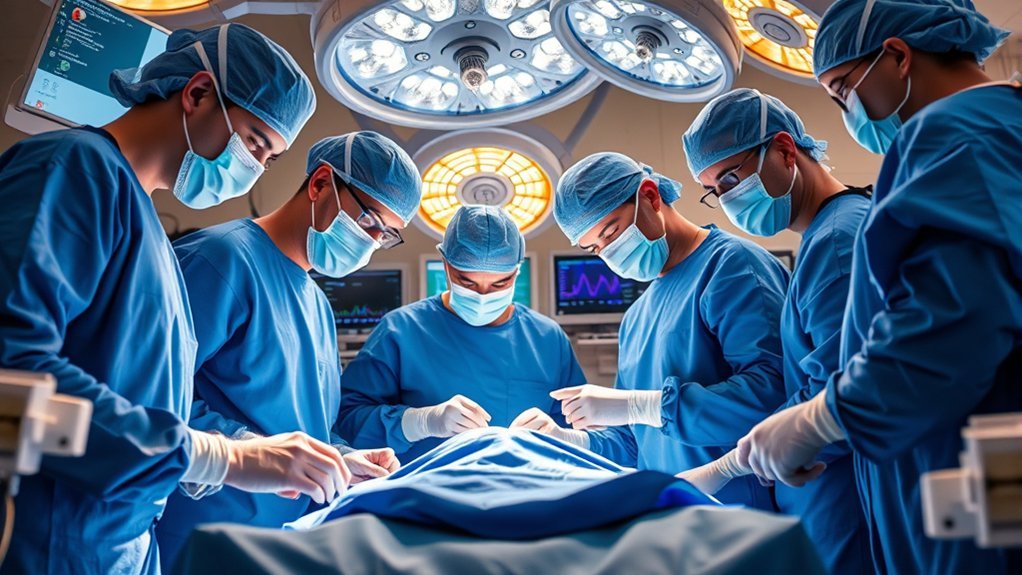
Just like a sudden storm can alter your path, an emergency C-section may become necessary during your childbirth journey. Understanding what this procedure entails can help ease your concerns. You might have questions about the reasons behind it, the procedure itself, and what to expect afterward. Each detail plays an essential role in your health and your baby’s well-being. Let’s explore these aspects together to provide you with clarity and confidence.
What Is an Emergency C-Section?
An emergency C-section, often performed when complications arise during labor, is a surgical procedure to deliver your baby through an incision in the abdomen and uterus.
This intervention guarantees your baby’s safety and well-being when vaginal delivery poses risks. You might experience this procedure if there are signs of fetal distress, abnormal positioning, or if labor isn’t progressing as expected.
While the thought of surgery can be intimidating, rest assured that medical professionals are trained to act swiftly and effectively. They prioritize both your and your baby’s health.
Understanding this process can empower you during a challenging time, allowing you to make informed decisions about your birth experience. Embracing knowledge about emergency C-sections is a crucial step toward liberation in your maternity journey.
When Is an Emergency C-Section Necessary?
When should you consider an emergency C-section? You’ll want to discuss this option if you experience severe complications during labor.
Signs include fetal distress, indicated by an abnormal heart rate, or if the baby is in an unfavorable position, such as breech. If you face uterine rupture or significant bleeding, it’s vital to act quickly.
Additionally, if labor isn’t progressing after a prolonged period, an emergency C-section may be necessary to guarantee your safety and that of your baby.
The decision is never taken lightly, but it’s made to protect both of you. Trust your healthcare team; they’re there to guide you through this critical moment, making sure you feel empowered in your choices.
What Happens During the Procedure?
During an emergency C-section, you’ll first receive anesthesia, which guarantees you’re comfortable and pain-free.
Once you’re adequately anesthetized, the surgical team will proceed with the necessary steps to safely deliver your baby.
Understanding this process can help ease some anxiety as you prepare for this critical moment. It’s important to know that comprehensive childbirth centers are equipped to handle such emergency situations with experienced teams dedicated to your and your baby’s well-being.
Anesthesia Administration Process
While preparing for an emergency C-section, the anesthesia team guarantees you’re comfortable and informed about the process.
Here’s what you can expect during anesthesia administration:
- Pre-Assessment: You’ll discuss your medical history and any allergies with the anesthesia provider.
- Medication Administration: You’ll receive medications to help relax you, along with the anesthetic, typically an epidural or spinal block.
- Monitoring: Your essential signs will be continuously monitored to secure your safety throughout the procedure.
- Support: The team will keep you informed and answer any questions, making sure you feel supported and understood.
This process is designed to minimize discomfort and anxiety, allowing you to focus on the experience ahead.
Surgical Steps Overview
As the anesthesia takes effect and you start to feel more relaxed, the surgical team prepares to begin the emergency C-section.
They’ll make a horizontal incision in your lower abdomen, carefully cutting through layers of tissue to reach the uterus. Once accessed, your healthcare provider will make an incision in the uterus to gently deliver your baby. You may hear the first cries, a moment filled with emotion.
After the baby is delivered, the team guarantees they’re stable before focusing on you. They’ll remove the placenta and carefully stitch your uterus and abdomen back together, prioritizing your safety and recovery.
Throughout the procedure, the team maintains clear communication, ensuring you feel supported and informed every step of the way.
What Are the Risks and Complications?
Although an emergency C-section can be a lifesaving procedure for both mother and baby, it’s important to be aware of the potential risks and complications involved. These may include:
- Infection: Surgical sites can become infected, requiring additional treatments.
- Hemorrhage: Significant bleeding may occur, sometimes necessitating a blood transfusion.
- Anesthesia Risks: Reactions to anesthesia can lead to complications, such as respiratory issues.
- Future Pregnancies: There may be increased risks in subsequent pregnancies, including uterine scarring.
Understanding these risks helps you make informed decisions about your care. Additionally, comprehensive care is available for high-risk pregnancies at specialized centers, which can help mitigate some of these risks.
It’s vital to communicate openly with your healthcare team, ensuring you feel supported and empowered throughout this experience.
Your health and well-being are paramount.
How Long Does Recovery Take?
Recovery from an emergency C-section typically takes about six to eight weeks, but this can vary based on individual circumstances.
During this time, you’ll experience physical and emotional changes. It’s crucial to listen to your body and allow yourself the space to heal. You’ll likely feel tired and may experience discomfort at the incision site.
Focusing on rest, proper nutrition, and hydration will aid your recovery. Support from loved ones can also make a significant difference in your healing process. Additionally, being aware that 1 in 5 Moms experience postpartum depression can help you recognize the importance of mental health during recovery.
Remember, everyone’s journey is unique; some may recover faster, while others might need extra time.
Stay connected with your healthcare provider to address any concerns and facilitate a smooth recovery, empowering you for the next chapter with your newborn.
How Will an Emergency C-Section Affect the Baby?
How might an emergency C-section impact your baby’s well-being? While this procedure is often necessary to guarantee safety, it can have specific effects on your newborn:
- Respiratory Issues: Your baby may experience transient tachypnea, a temporary breathing difficulty due to fluid in the lungs.
- Immediate Assessment: Medical staff will closely monitor your baby’s health right after birth for any signs of distress.
- Bonding Opportunities: Skin-to-skin contact might be delayed, impacting the initial bonding experience.
- Feeding Challenges: Some babies may have difficulty latching on for breastfeeding right away. Additionally, it is important to be aware of medications and treatments while breastfeeding that may be necessary for your recovery.
Understanding these potential outcomes can help you prepare for your baby’s immediate needs while prioritizing their health and safety during this critical moment.
What Can I Expect in the Hospital?
When you arrive at the hospital for an emergency C-section, the medical team will quickly assess your situation and prepare you for surgery.
After the operation, you’ll enter a recovery phase where healthcare providers monitor your health and begin your healing process.
Understanding these steps can help ease your concerns and allow you to focus on welcoming your baby.
Hospital Arrival Procedures
As you arrive at the hospital for an emergency C-section, expect a swift and organized process designed to prioritize your safety and that of your baby.
Here’s what you can anticipate:
- Triage Assessment: You’ll undergo a quick evaluation to determine the urgency of your situation.
- Consent Forms: Medical staff will explain the procedure and have you sign necessary paperwork.
- Preoperative Prep: You’ll change into a hospital gown, and an IV line will be started for medications and fluids.
- Anesthesia Consultation: An anesthesiologist will discuss options to guarantee your comfort during the surgery.
Throughout this process, medical staff will communicate clearly, addressing your concerns and making sure you feel supported during this critical time.
Post-Operation Recovery Process
Once your emergency C-section is complete, you’ll be moved to the recovery area where medical staff will monitor your essential signs and guarantee your comfort.
You’ll likely feel groggy from anesthesia, but this is normal. Expect to have a catheter in place temporarily to manage urination and IV fluids to keep you hydrated. Pain management is vital; don’t hesitate to ask for medication if you’re uncomfortable.
You’ll also begin to bond with your newborn, which can be a powerful emotional experience. Nurses will encourage gentle movement as you regain strength, and they’ll guide you on caring for your incision.
How Can I Prepare for an Emergency C-Section?
How can you effectively prepare for an emergency C-section? While you can’t predict when it’ll happen, there are steps you can take to be ready. Here are four key preparations:
- Understand the Procedure: Familiarize yourself with what an emergency C-section entails, including risks and benefits.
- Create a Birth Plan: Discuss your preferences with your healthcare provider, so they know your wishes, even in an emergency.
- Pack a Hospital Bag: Include essentials like comfortable clothing, toiletries, and important documents to ease your stay.
- Stay Calm and Flexible: Embrace the unexpected. Preparing mentally can empower you to adapt to changes during labor and delivery.
Being prepared allows you to focus on what truly matters—welcoming your baby. Additionally, consider supporting organizations that promote equitable maternal health to ensure that every mother has access to necessary care.
Frequently Asked Questions
Will I Be Awake During the Emergency C-Section?
Yes, you’ll likely be awake during the emergency C-section. Anesthesia, usually a spinal or epidural, numbs you from the waist down, allowing you to remain conscious and aware while your baby is safely delivered.
Can I Have a Vaginal Birth After an Emergency C-Section?
Yes, you can have a vaginal birth after an emergency c-section, provided your healthcare team evaluates your individual circumstances. It’s essential to discuss your options, ensuring you’re on the right path towards a safe delivery.
What Anesthesia Options Are Available for an Emergency C-Section?
You’ll typically have two anesthesia options for an emergency C-section: spinal anesthesia, which numbs you from the waist down, or general anesthesia, which puts you to sleep. Discuss these choices with your healthcare team for guidance.
How Common Are Emergency C-Sections Compared to Planned Ones?
Emergency C-sections occur in about 10-15% of births, compared to planned ones. Remember, “life’s unpredictable.” Understanding your options and trusting your care team can empower you during this critical moment in your journey.
What Support Is Available for Emotional Recovery After the Procedure?
You can access various support options for emotional recovery, including counseling, support groups, and online communities. Connecting with others who’ve experienced similar challenges can greatly help you process your feelings and promote healing.
Conclusion
To sum up, understanding emergency C-sections can greatly reduce anxiety during this critical time. Did you know that about 30% of all deliveries in the U.S. are via C-section, with a considerable portion classified as emergencies? By being informed about the procedure and its implications, you can better advocate for yourself and your baby. Remember, your healthcare team is there to support you through every step of the process, ensuring both your safety and well-being.
