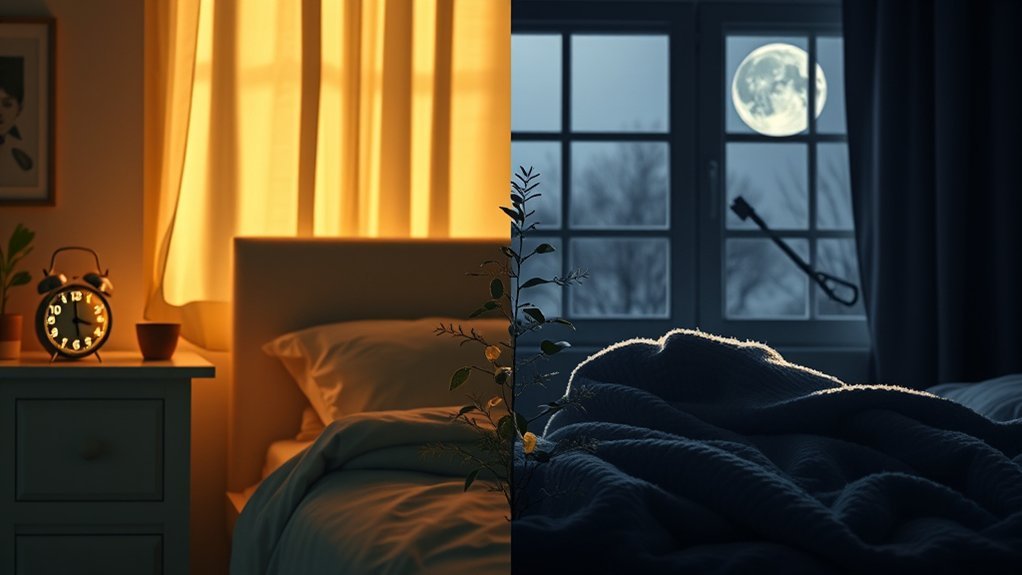
Have you ever found yourself awake at odd hours, wondering why your body feels out of sync? Day-night confusion can disrupt your life, making it hard to focus and enjoy your daily activities. Luckily, there are effective strategies to help you regain control of your sleep patterns. By understanding your body’s natural rhythms and making simple adjustments, you can greatly improve your overall well-being. Let’s explore how you can achieve a more restful night and energized day.
Understand Your Circadian Rhythm
Understanding your circadian rhythm is essential, especially if you’re struggling with day-night confusion. Your circadian rhythm is your body’s internal clock, regulating sleep-wake cycles, hormone release, and other crucial functions.
It responds to natural light, signaling when to be alert and when to rest. When this rhythm gets disrupted, you may feel out of sync, leading to fatigue and confusion.
Pay attention to how light affects you; exposure to bright light in the morning can help reset your clock. Similarly, minimize nighttime light exposure to signal your body that it’s time to wind down.
Create a Consistent Sleep Schedule
To help manage day-night confusion, setting fixed bedtimes can make a big difference in your routine.
Sticking to a consistent schedule not only improves your sleep quality but also keeps your body clock in sync.
Additionally, limiting the duration of naps can prevent disruptions to your nighttime rest, ensuring you feel more refreshed during the day.
Set Fixed Bedtimes
Establishing a consistent sleep schedule is one of the most effective ways to prevent day-night confusion. By setting fixed bedtimes, you signal your body when it’s time to wind down and recharge. Choose a bedtime that allows for adequate sleep and stick to it, even on weekends.
This regularity helps regulate your internal clock, making it easier to fall asleep and wake up feeling refreshed. You might find it helpful to create a calming pre-sleep routine, like reading or meditating, to signal to your brain that it’s time for rest.
Limit Naps Duration
While maintaining a consistent sleep schedule is important, how you manage daytime rest can also greatly impact your overall sleep quality.
To improve your nightly rest, try limiting naps to 20-30 minutes. Short naps can recharge your energy without interfering with your nighttime sleep. If you find yourself needing longer naps, it might be a sign that your nighttime sleep isn’t sufficient.
Aim to avoid naps late in the day, as this can disrupt your natural sleep cycle. Instead, plan your naps for the early afternoon.
Limit Exposure to Blue Light
To help maintain a healthy day-night rhythm, you should limit your exposure to blue light, especially in the evening.
Reducing screen time before bed can greatly improve your sleep quality, so consider setting aside your devices.
Additionally, using blue light filters on your screens can further protect your eyes and promote restful sleep.
Reduce Screen Time
As you navigate through your day, it’s essential to recognize how excessive screen time can disrupt your natural sleep cycle.
When you spend too much time in front of screens, whether it’s your phone, tablet, or computer, you expose yourself to blue light that can interfere with melatonin production. This can lead to difficulty falling asleep and waking up feeling refreshed.
To improve your sleep quality, try to set boundaries around your screen usage, especially in the evening. Consider establishing a digital curfew, turning off devices at least an hour before bedtime.
Engage in alternative activities like reading or journaling instead. By reducing screen time, you’ll not only enhance your sleep but also foster a healthier daily routine.
Use Blue Light Filters
Using blue light filters can considerably reduce the negative impact of screen time on your sleep quality.
These filters work by blocking or reducing blue light emitted from screens, which can interfere with your body’s natural sleep-wake cycle. If you’re spending late hours on your phone, tablet, or computer, consider enabling a blue light filter or using apps designed for this purpose.
Many devices have built-in settings that adjust the screen’s color temperature, making it easier on your eyes. Additionally, you can opt for blue light-blocking glasses when using screens in the evening.
By taking these simple steps, you’ll not only improve your sleep but also enhance your overall well-being.
Prioritize your rest, and your body will thank you!
Optimize Your Sleep Environment
Creating a sleep environment that promotes rest can make a significant difference in your ability to distinguish between day and night.
Start by keeping your bedroom dark; use blackout curtains or an eye mask to block out external light. A cool room temperature, ideally between 60-67°F, helps signal your body that it’s time to sleep.
Eliminate noise disturbances with earplugs or a white noise machine. Invest in a comfortable mattress and pillows that support your preferred sleep position.
Finally, limit clutter in your space; a tidy room can reduce stress and promote relaxation.
Incorporate Relaxation Techniques
Even with an optimized sleep environment, it’s important to incorporate relaxation techniques to further enhance your ability to distinguish between day and night.
Start by setting aside time each evening for calming activities. Deep breathing exercises can help reduce stress and signal your body that it’s time to wind down.
Set aside time each evening for calming activities like deep breathing to signal your body to wind down.
Consider practicing mindfulness or meditation to clear your mind and focus on the present moment. Gentle yoga or stretching can also ease tension and prepare you for sleep.
Establishing a consistent bedtime routine, including these techniques, reinforces your body’s natural rhythms.
Stay Active During the Day
As you navigate your day, staying active is crucial for reinforcing your body’s natural circadian rhythms. Engaging in physical activities, like walking, stretching, or even light exercise, helps boost your energy levels and keeps your mind alert.
Aim to incorporate movement into your routine, whether it’s taking short breaks to stand up and walk around or participating in a quick workout. Natural light exposure also plays an important role; try to spend time outdoors, especially in the morning. This not only helps regulate your internal clock but also enhances your mood.
Listen to your body—if you feel sluggish, a brief burst of activity can refresh you. Staying active during the day supports better sleep at night, helping you feel more balanced overall.
Be Mindful of Caffeine and Food Intake
While you may enjoy that afternoon coffee or late-night snack, being mindful of your caffeine and food intake can greatly impact your sleep quality and overall well-being.
Caffeine, found in coffee, tea, and chocolate, can stay in your system longer than you think, disrupting your ability to fall asleep. Try to limit caffeine consumption in the afternoon and evening.
Additionally, heavy meals close to bedtime can lead to discomfort and restless nights. Opt for lighter snacks if you’re hungry before bed.
Foods high in sugar may cause energy spikes that interfere with sleep patterns.
Seek Professional Help if Needed
If you find that your day-night confusion persists despite making lifestyle adjustments, it may be time to seek professional help. Consulting a healthcare provider can provide valuable insights into underlying issues contributing to your sleep disturbances.
They can assess your overall health and suggest tailored strategies or treatments. Cognitive-behavioral therapy, medication, or sleep studies might be recommended to address your specific situation.
Remember, seeking help isn’t a sign of weakness; it’s a proactive step toward regaining control of your sleep patterns. You deserve restful nights and productive days.
Don’t hesitate to reach out to a professional if you feel overwhelmed or unsure about managing this condition on your own. Taking this step can greatly improve your well-being.
Frequently Asked Questions
Can Day-Night Confusion Affect My Mental Health?
Yes, day-night confusion can affect your mental health. It disrupts your sleep patterns, leading to fatigue, irritability, and difficulties concentrating. Maintaining a consistent schedule helps improve your overall well-being and mental clarity.
How Does Age Influence Circadian Rhythm Changes?
As you age, your circadian rhythm can shift, with 50% of older adults experiencing sleep disruptions. This change often leads to earlier bedtimes and wake times, impacting your overall sleep quality and daily functioning.
Are Naps Helpful or Harmful for Day-Night Confusion?
Naps can be helpful if they’re short and taken earlier in the day. However, long or late naps might disrupt your nighttime sleep, making day-night confusion worse. Try to find a balance that works for you.
Can Travel Impact My Circadian Rhythm Significantly?
Yes, travel can greatly impact your circadian rhythm. When you cross time zones, your body struggles to adjust, causing fatigue and disrupted sleep. Prioritizing rest and gradually adapting can help ease this change.
What Role Do Genetics Play in Sleep Patterns?
Genetics greatly influence your sleep patterns, affecting how much sleep you need and your susceptibility to sleep disorders. Understanding your genetic predispositions can help you tailor your sleep habits for better rest and overall health.
Conclusion
By understanding and respecting your circadian rhythm, you can greatly improve your sleep quality and overall well-being. Did you know that studies show maintaining a consistent sleep schedule can reduce the risk of sleep disorders by up to 50%? Prioritizing a calming pre-sleep routine, optimizing your sleep environment, and managing your exposure to light can make all the difference. Remember, small changes can lead to big improvements—so start taking steps today to prevent day-night confusion and enjoy restful nights.
