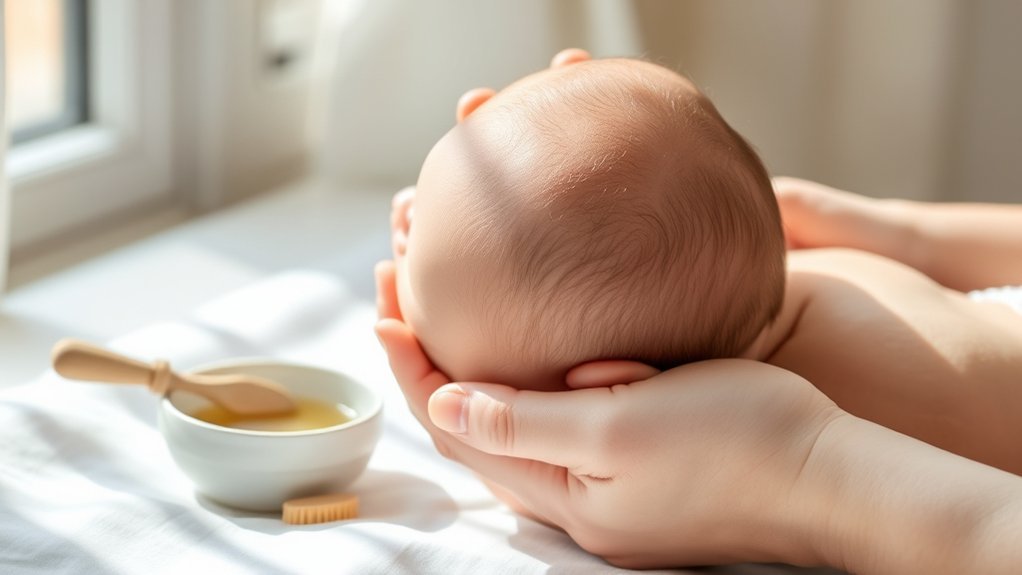
Cradle cap, a common condition in infants, often goes unnoticed as it can appear harmless. It’s essential to understand that while it’s usually not serious, it can be uncomfortable for your baby. Knowing how to care for it can make a significant difference. In the following sections, you’ll discover effective techniques and remedies to soothe your baby’s scalp and maintain overall scalp health.
Understanding Cradle Cap: What It Is and What Causes It
Cradle cap, medically known as seborrheic dermatitis, is a common condition that affects infants, typically appearing as yellowish, scaly patches on the scalp. While it may seem concerning, it’s important to know that cradle cap isn’t harmful. It often develops due to an overproduction of oil in the skin and can be exacerbated by factors like hormonal changes from pregnancy and yeast growth. Many parents notice these patches in the first few months of their baby’s life, but they usually resolve on their own within weeks or months. Understanding that cradle cap is not caused by poor hygiene or allergies can alleviate some worries. With proper care, you can manage symptoms effectively, allowing your baby to remain comfortable and happy.
Signs and Symptoms of Cradle Cap
Identifying cradle cap early can help you address it effectively. Look for yellowish, greasy patches on your baby’s scalp, which may appear crusty or scaly. These patches can vary in size and might spread beyond the scalp to areas like the eyebrows or behind the ears. You might notice some redness or inflammation around these areas, but cradle cap typically isn’t itchy or painful for your baby. In some cases, you may see hair loss in the affected regions. While cradle cap is generally harmless, recognizing these signs can help you manage it more easily. Remember, your baby’s comfort is important, and addressing cradle cap promptly can provide relief and reassurance for both of you.
When to Consult a Pediatrician
If your baby’s cradle cap symptoms persist despite at-home care, it’s time to consult a pediatrician. You should also seek medical advice if you notice any signs of infection, such as redness or swelling, or if you’re concerned about hair loss. Addressing these issues early can help guarantee your child’s comfort and well-being.
Persistent Cradle Cap Symptoms
Persistent cradle cap symptoms can be concerning for any parent, especially when they don’t seem to improve with standard treatment. It’s vital to recognize when it’s time to consult a pediatrician. Here are some signs to watch for:
| Symptom | Action |
|---|---|
| Cradle cap lasts over three months | Schedule a pediatric appointment |
| Scaliness spreads to other areas | Seek professional advice |
| Skin appears red or inflamed | Consult your pediatrician |
| Excessive itchiness or discomfort | Contact a healthcare provider |
If you notice these symptoms, don’t hesitate to reach out for guidance. Early intervention can help your little one find relief and guarantee their skin remains healthy. Your pediatrician can offer effective solutions tailored to your child’s needs.
Signs of Infection
While monitoring cradle cap symptoms, it’s important to stay vigilant for signs of infection. Look for redness, swelling, or warmth around the affected area, as these may indicate an infection. If you notice pus or a foul odor, it’s essential to consult your pediatrician promptly. Additionally, if your baby develops a fever or seems unusually irritable, these could be red flags. In some cases, cradle cap can lead to secondary infections, so don’t hesitate to seek professional advice if you’re concerned. Early intervention can prevent complications and guarantee your baby’s comfort. Trust your instincts; if something feels off, it’s always better to err on the side of caution. Your baby’s health is paramount.
Concerns About Hair Loss
Although cradle cap is generally harmless, concerns about hair loss can arise for many parents. It’s important to understand that while some hair shedding can occur, it’s usually temporary. If you notice excessive hair loss or bald patches, it may signal an underlying issue. Pay attention to the condition of your baby’s scalp; persistent redness, swelling, or irritation could indicate infection or other dermatological problems. Should you observe any of these signs, don’t hesitate to consult your pediatrician. They can provide guidance on whether treatment is necessary and help address any concerns you may have about your child’s hair growth. Early intervention can guarantee the best outcomes for your baby’s delicate scalp and hair health.
Gentle Cleansing Techniques for Your Baby’s Scalp
When caring for your baby’s scalp, employing gentle cleansing techniques is essential to manage cradle cap effectively. Start by selecting a mild, fragrance-free baby shampoo to avoid irritating your baby’s sensitive skin. Wet your baby’s hair with warm water and apply a small amount of shampoo, gently massaging it into the scalp using your fingertips. This helps lift the scales without causing discomfort. Rinse thoroughly, ensuring no shampoo residue remains. After washing, you can use a soft brush or cloth to gently loosen any stubborn flakes. Always be patient and avoid harsh scrubbing, as this can exacerbate irritation. Following these techniques consistently will help maintain your baby’s scalp health while alleviating cradle cap.
Natural Remedies to Soothe Cradle Cap
To help soothe cradle cap, you can turn to several effective natural remedies that provide gentle relief for your baby’s scalp. One option is to use coconut oil, which has antimicrobial properties and can soften the scales, making them easier to remove. Simply apply a small amount to the affected area, let it sit for about 30 minutes, and then gently brush away the flakes. Another remedy is olive oil, known for its moisturizing effects. You can massage a few drops into your baby’s scalp before washing. Additionally, some parents find that using aloe vera gel can help calm irritation. Always verify your baby’s skin isn’t sensitive to these ingredients, and consult with your pediatrician if you have concerns.
Choosing the Right Shampoo for Treatment
When selecting a shampoo to treat cradle cap, it’s essential to look for gentle formulations with soothing ingredients. You’ll want to avoid harsh chemicals that can irritate your baby’s sensitive skin. Focusing on mild, nourishing products can help effectively address cradle cap while keeping your baby comfortable.
Ingredients to Look For
Choosing the right shampoo for treating cradle cap is essential, as the right ingredients can greatly impact your baby’s comfort and skin health. Look for shampoos containing mild, natural ingredients like chamomile or aloe vera, which soothe the scalp and reduce irritation. Salicylic acid can help remove scales, but make sure it’s in a low concentration suitable for infants. Also, consider shampoos with essential oils like tea tree oil, known for its antifungal properties, which may assist in managing cradle cap. Avoid products with harsh chemicals, fragrances, or sulfates, as these can worsen irritation. Always read labels carefully to make certain you’re selecting a gentle yet effective formula tailored to your baby’s sensitive skin.
Gentle Formulations Recommended
Finding the right shampoo for your baby’s cradle cap doesn’t have to be overwhelming. Focus on gentle formulations designed specifically for infants. Look for shampoos that contain natural ingredients like coconut oil or aloe vera, which soothe the scalp without irritation. A mild, tear-free option is essential, as it minimizes discomfort during bathing. Additionally, choose products that are free from fragrances and dyes to reduce the risk of allergic reactions. Consider consulting your pediatrician for recommendations tailored to your baby’s needs, especially if cradle cap persists. Regular use of a suitable shampoo can help maintain scalp health and promote healing, ensuring your little one stays comfortable and happy. Remember, your baby’s comfort is the top priority in this process.
Avoiding Harsh Chemicals
While selecting a shampoo to treat cradle cap, it’s essential to steer clear of harsh chemicals that can irritate your baby’s sensitive skin. Look for products labeled as hypoallergenic and free from sulfates, parabens, and synthetic fragrances. These ingredients can exacerbate irritation and dryness, worsening the condition. Instead, opt for gentle, natural formulations that include soothing ingredients like aloe vera or chamomile. These can help calm inflammation without causing further harm. Always perform a patch test before applying a new product to verify your baby’s skin doesn’t react negatively. Remember, your goal is to create a nurturing environment for healing, so prioritize gentle care in your shampoo selection. Your baby’s comfort and skin health are paramount.
Moisturizing the Scalp: Best Practices
To effectively manage cradle cap, it’s essential to prioritize moisturizing the scalp, as this can help alleviate dryness and flakiness. Start by choosing a gentle, hypoallergenic moisturizer or oil, like coconut or mineral oil. Apply a small amount directly to the affected areas, gently massaging it into the scalp. This not only hydrates but also loosens any crusty patches. Let the moisturizer sit for about 15-30 minutes before washing your baby’s hair with a mild shampoo to remove excess oil and flakes. Make sure to rinse thoroughly to avoid residue. Consistent moisturizing, ideally every few days, can greatly improve your baby’s scalp condition and comfort, promoting a healthier environment for their skin.
Preventing Cradle Cap From Returning
Preventing cradle cap from returning involves consistent scalp care and attention to your baby’s hygiene routine. Regularly wash your baby’s hair with a gentle shampoo, ideally formulated for infants. This helps remove excess oils and prevents buildup. You should also gently brush your baby’s scalp with a soft-bristled brush to loosen any remaining flakes. Pay attention to any signs of irritation or excessive dryness, as these can indicate the need for adjustments in your approach. Maintaining a balanced diet for your baby can also support scalp health. Finally, make sure your baby’s sleeping environment is clean and dry, as moisture can contribute to cradle cap. With these steps, you can greatly reduce the likelihood of cradle cap returning.
Tips for Maintaining Healthy Scalp Hygiene
Maintaining a healthy scalp hygiene routine is essential for your baby’s overall comfort and well-being. Regularly washing your baby’s scalp helps remove excess oil and prevents buildup. Use a gentle, fragrance-free shampoo and limit washes to 2-3 times a week to avoid dryness.
Here are some tips to incorporate into your routine:
| Action | Frequency | Purpose |
|---|---|---|
| Shampooing | 2-3 times/week | Remove buildup and oil |
| Brushing | Daily | Stimulate scalp circulation |
| Moisturizing | As needed | Prevent dryness and irritation |
Frequently Asked Questions
Can Cradle Cap Affect Older Children or Adults?
Yes, cradle cap can affect older children and adults, though it’s less common. In these cases, it may present as seborrheic dermatitis. If you notice symptoms, consulting a healthcare professional for advice is important.
Is Cradle Cap Contagious to Other Children?
Cradle cap isn’t contagious; you won’t spread it to other children. It’s a common condition that occurs due to skin oil buildup, so don’t worry about passing it along to friends or family.
What Should I Avoid Using on Cradle Cap?
You should avoid using harsh shampoos, alcohol-based products, or excessive scrubbing on cradle cap. These can irritate your baby’s scalp, worsening the condition. Stick to gentle, moisturizing treatments for effective care and comfort.
How Long Does Cradle Cap Typically Last?
Cradle cap can feel like an unwelcome guest, sticking around for weeks to months. Typically, it’ll resolve within a few months, but don’t worry—your baby’s scalp will return to its natural state soon enough.
Will Cradle Cap Cause Hair Loss in My Baby?
Cradle cap usually doesn’t cause permanent hair loss in your baby. While it may lead to temporary hair thinning, the hair typically grows back as the condition resolves. Regular care can help manage symptoms effectively.
Conclusion
In managing cradle cap, you’re not just addressing a common skin condition; you’re nurturing your baby’s comfort and well-being. By following gentle cleansing techniques and using the right products, you can help soothe their scalp and promote healthy skin. Remember, consistency is key to preventing recurrence. If you notice any persistent issues or have concerns, don’t hesitate to reach out to your pediatrician. With your care and attention, your little one’s scalp can flourish beautifully.
