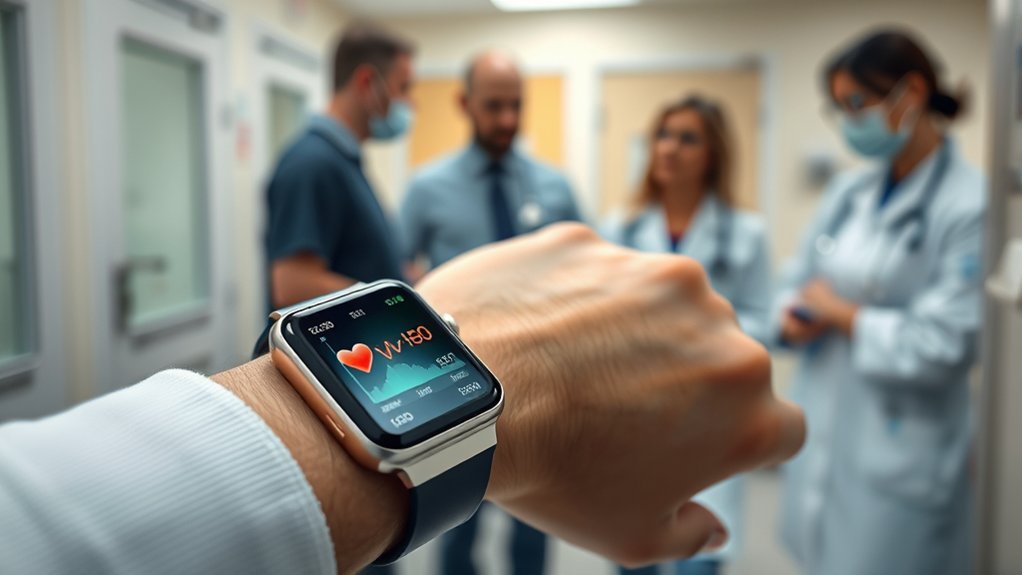
In today’s fast-paced environment, continuous monitoring is vital for spotting symptoms and signs of potential issues within your systems. Unusual spikes in error rates, slow response times, and shifts from performance baselines can indicate underlying problems. Understanding these indicators helps you act swiftly, but what challenges might arise in implementing effective monitoring? Exploring this further can reveal strategies to enhance your operations and maintain compliance.
Understanding Continuous Monitoring
Continuous monitoring refers to the ongoing assessment of systems and processes to guarantee peak performance and security. You’ll implement this approach to detect issues proactively, minimizing downtime and risks.
By utilizing automated tools, you can gather real-time data, allowing for immediate analysis and response. This helps assure compliance with regulatory standards and enhances overall system integrity.
You should focus on critical areas, including network security, application performance, and user activities. Regularly reviewing logs and alerts will aid in identifying anomalies and potential threats.
Key Indicators of Effective Monitoring
Effective monitoring relies on clear indicators that signal the health of your systems. First, track performance metrics like response times and error rates; these provide immediate insights into operational efficiency.
Next, establish baseline values for normal behavior; deviations from these baselines often indicate issues requiring attention. Additionally, monitor user activity and engagement levels; sudden drops may suggest problems or user dissatisfaction.
Regularly assess compliance with security policies; lapses can expose vulnerabilities. Finally, leverage alerts for critical thresholds; automated notifications enable prompt response to potential failures.
The Role of Technology in Continuous Monitoring
While traditional monitoring methods have their place, technology greatly enhances the approach to continuous monitoring. You can leverage advanced tools like sensors, IoT devices, and software analytics to gather real-time data efficiently.
These technologies allow for immediate feedback, enabling you to detect anomalies and trends that might go unnoticed with manual methods. Automated alerts empower you to respond promptly to potential issues, minimizing risks.
Additionally, cloud-based platforms facilitate data storage and accessibility, enhancing collaboration among teams. With machine learning algorithms, you can analyze vast amounts of data to identify patterns, improving your monitoring capabilities.
Benefits of Proactive Interventions
Proactive interventions offer significant advantages in continuous monitoring.
You can achieve early detection of issues, which allows for timely responses and mitigates potential risks.
Additionally, these interventions enhance decision-making and improve resource allocation, ultimately leading to more efficient operations.
Early Detection of Issues
Early detection of issues can greatly enhance your ability to manage health effectively, as it allows for timely interventions before problems escalate. By recognizing symptoms early, you can mitigate risks and improve outcomes.
- Prevent Complications: Addressing issues at their onset reduces the likelihood of severe health complications.
- Optimize Treatment Plans: Early insights into symptoms enable you to adjust treatment strategies for better efficacy.
- Enhance Recovery Rates: Timely interventions often lead to quicker recovery times, minimizing disruptions to your daily life.
Incorporating continuous monitoring into your routine empowers you to stay ahead of potential health challenges.
Improved Decision-Making Processes
When you actively engage in continuous monitoring, you greatly enhance your decision-making processes regarding health interventions.
By consistently tracking symptoms and signs, you gain real-time insights into patient conditions, enabling you to identify trends and anomalies swiftly. This proactive approach allows you to make informed decisions based on up-to-date data rather than relying on outdated information or assumptions.
You can adjust treatment plans promptly, optimizing patient outcomes while minimizing potential risks. Additionally, continuous monitoring fosters a culture of accountability, ensuring that all stakeholders remain informed and aligned.
Ultimately, this enhanced decision-making reduces the likelihood of errors, streamlines interventions, and supports a more effective healthcare delivery model, empowering you to provide the best possible care.
Enhanced Resource Allocation Strategies
By implementing continuous monitoring, you can greatly enhance resource allocation strategies within your healthcare system. This proactive approach allows you to identify areas of need in real-time, ensuring that resources are directed where they’re most effective.
You’ll find that efficient allocation leads to improved patient outcomes and optimized operational costs.
- Dynamic Resource Distribution: Adjust resources based on real-time data to meet fluctuating demands.
- Preventive Care Focus: Allocate resources toward preventive measures, reducing the need for costly interventions.
- Streamlined Workflow: Enhance staff efficiency by ensuring personnel and equipment are available where and when they’re needed most.
Common Challenges in Continuous Monitoring
In continuous monitoring, you often face challenges like data overload and resource management.
Too much data can overwhelm your team, making it hard to identify vital issues.
Additionally, balancing resources effectively is essential to guarantee that monitoring efforts remain sustainable and efficient.
Data Overload Issues
As the volume of data generated in continuous monitoring increases, you may encounter significant challenges related to data overload. Managing this influx can hinder your ability to make timely and informed decisions.
The key issues often include:
- Noise vs. Signal: Distinguishing valuable information from irrelevant data can be overwhelming.
- Storage Limitations: Increased data volume may strain existing storage systems, complicating data retrieval and analysis.
- Analysis Paralysis: The sheer amount of data can lead to indecision, as you struggle to identify the most critical insights.
Addressing these challenges requires implementing effective filtering mechanisms and prioritizing data relevance to maintain focus on actionable insights.
Resource Management Challenges
While continuous monitoring offers valuable insights, it also presents significant resource management challenges that can impede its effectiveness. You must balance the allocation of personnel, technology, and budget to maintain a robust monitoring system.
Insufficient staffing can lead to oversight or delayed responses to critical issues, while inadequate technology may fail to handle the volume of data generated. Additionally, budget constraints can limit your ability to invest in necessary tools or training.
You’ll also need to guarantee that team members possess the right skills, as gaps in expertise can hinder your monitoring efforts. Prioritizing these challenges is vital for optimizing your continuous monitoring strategy and achieving reliable, actionable results in real-time.
Industry-Specific Applications of Continuous Monitoring
Continuous monitoring plays an essential role across various industries, ensuring real-time data collection and analysis for enhanced decision-making. By implementing continuous monitoring systems, you can greatly improve operational efficiency and risk management.
Here are a few industry-specific applications:
- Healthcare: Track patient crucial signs and detect anomalies early, improving patient outcomes.
- Manufacturing: Monitor machinery performance and predict failures, reducing downtime and maintenance costs.
- Finance: Analyze transaction data for fraud detection and compliance with regulatory standards.
These applications demonstrate how continuous monitoring not only enhances productivity but also fosters a proactive approach to issues, allowing you to respond swiftly to emerging challenges.
Embracing these technologies will position your organization for greater success in a competitive landscape.
Best Practices for Implementing Continuous Monitoring
To successfully implement continuous monitoring, it’s essential to establish clear objectives and metrics from the outset. Define what you want to monitor and the key performance indicators (KPIs) that will gauge success.
Next, choose the right tools and technologies that align with your objectives; automation can greatly enhance efficiency and accuracy. Verify your team is trained to understand and utilize these tools effectively.
Regularly review and adjust your monitoring processes based on feedback and changing needs. Foster a culture of collaboration where insights are shared across departments, allowing for timely responses to issues.
Finally, maintain compliance with relevant regulations to mitigate risks associated with data handling and monitoring. This structured approach will optimize your continuous monitoring efforts.
Future Trends in Continuous Monitoring
As organizations refine their continuous monitoring practices, they’re increasingly looking ahead to emerging trends that will shape the future of this discipline.
You’ll want to pay attention to these key developments:
- AI and Machine Learning Integration: Leveraging advanced algorithms to analyze data patterns in real-time, enhancing threat detection and response times.
- Cloud-Based Monitoring Solutions: Adopting flexible, scalable tools that streamline data access and collaboration across distributed teams.
- Automated Compliance Checks: Implementing systems that automatically assess adherence to regulatory standards, reducing manual oversight and improving accuracy.
These trends not only promise to enhance operational efficiency but also improve risk management, allowing you to stay proactive in an ever-evolving landscape.
Embracing these trends enhances efficiency and risk management, empowering proactive strategies in a dynamic environment.
Keep these innovations in mind as you strategize your continuous monitoring approach.
Frequently Asked Questions
How Can Organizations Determine Their Monitoring Needs Effectively?
To determine your monitoring needs effectively, assess your organization’s objectives, identify critical assets, evaluate potential risks, and prioritize areas requiring oversight. Regularly review these factors to adapt your monitoring strategy as your environment changes.
What Are the Costs Associated With Implementing Continuous Monitoring?
Implementing continuous monitoring involves costs like software purchases, hardware investments, personnel training, and ongoing maintenance. You’ll also need to budget for potential compliance audits and risk assessments to guarantee effective and secure monitoring practices.
How Often Should Monitoring Systems Be Reviewed or Updated?
Think of your monitoring systems like a well-tuned engine. You should review or update them at least quarterly, or more frequently if significant changes occur, ensuring peak performance and responsiveness to emerging threats.
Who Is Responsible for Analyzing Monitoring Data Within an Organization?
You’re responsible for analyzing monitoring data within your organization, often as part of a dedicated team. This team typically includes data analysts, IT personnel, and compliance officers who guarantee accurate interpretation and action on the findings.
What Training Is Required for Staff Involved in Continuous Monitoring?
Imagine a skilled sailor steering turbulent waters; staff involved in continuous monitoring need training in data analysis, risk assessment, and relevant software tools. This equips you to steer effectively through potential organizational challenges and guarantee smooth operations.
Conclusion
In continuous monitoring, swift detection of issues contrasts sharply with the risks of inaction. By recognizing key indicators like error spikes and slow response times, you empower your organization to respond effectively. While technology enhances monitoring capabilities, the real strength lies in proactive interventions that prevent small problems from escalating. Embracing best practices guarantees resilience, but neglecting them invites chaos. Stay vigilant, and you’ll foster an environment of efficiency and compliance, safeguarding your operations against potential threats.
