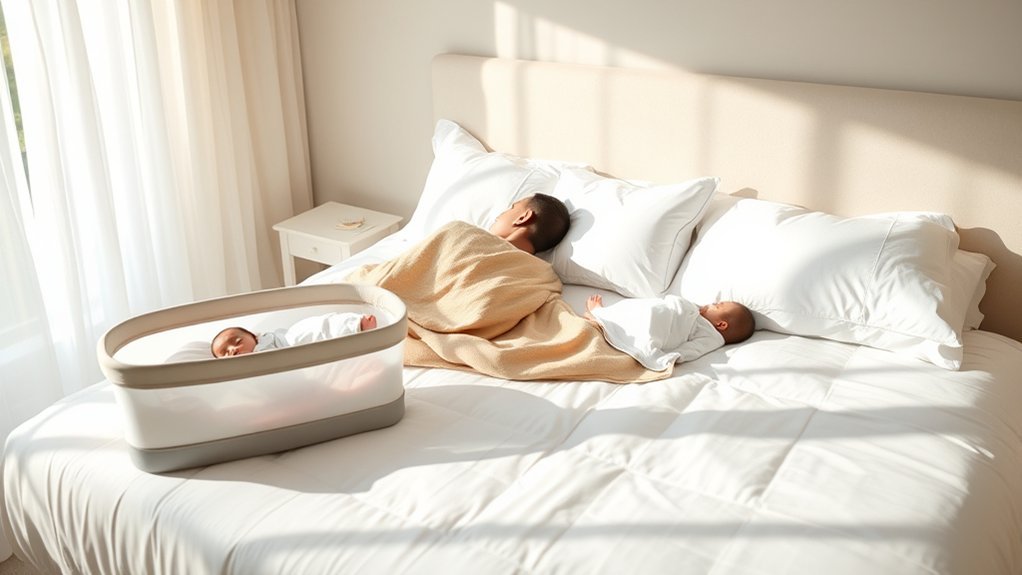
When it comes to co-sleeping, it’s essential to weigh the emotional benefits against the potential risks. Many families cherish the closeness, but safety must always come first. You need to understand the do’s and don’ts to create a secure environment for your child. Ignoring these guidelines can lead to serious consequences. What are the best practices you should follow, and what red flags should you watch for? Let’s explore this important topic together.
Understanding Co-Sleeping: The Basics
When you consider co-sleeping, it’s important to understand both its potential benefits and risks. Co-sleeping involves sharing your sleeping space with your child, fostering closeness and bonding.
However, it comes with certain precautions. You’ll need to guarantee a safe environment, as the risk of suffocation or falls can increase. It’s essential to be aware of your sleeping habits; substances like alcohol or medications can impair your awareness, heightening risks.
Also, consider your child’s age and developmental stage, as the dynamics of co-sleeping can change over time. Having open discussions with your partner about comfort levels and safety measures can empower your choices.
Ultimately, understanding the basics of co-sleeping helps you make informed decisions that align with your family’s needs.
Benefits of Co-Sleeping for Families
Co-sleeping can enhance family bonds, creating a nurturing environment where parents and children feel connected. This practice fosters emotional security, allowing children to thrive in a loving atmosphere. Additionally, it can ease nighttime parenting duties, making it simpler for you to respond to your child’s needs.
| Benefits | Description |
|---|---|
| Emotional Security | Children feel safe and supported. |
| Improved Sleep | Parents and children may sleep better. |
| Stronger Bonds | Enhances attachment and trust. |
| Convenience | Simplifies nighttime caregiving. |
Common Risks Associated With Co-Sleeping
While co-sleeping can foster closeness, there are significant risks you need to take into account.
Suffocation hazards, temperature regulation issues, and sleep disruptions can all impact your child’s safety and well-being.
It’s essential to weigh these factors carefully to guarantee a healthy sleep environment for everyone.
Suffocation Hazards
Even in the most loving environments, the risk of suffocation during co-sleeping can be a serious concern for parents.
It’s essential to understand how certain factors can increase this risk. For instance, soft bedding, pillows, or even a parent rolling over can pose dangers. Babies are particularly vulnerable, as they lack the ability to reposition themselves if they’re obstructed.
To minimize risks, verify your sleep surface is firm and free of clutter. Keep your baby on their back to sleep, and avoid co-sleeping with anyone who’s heavily exhausted, under the influence, or a smoker.
Awareness and preparation can empower you to create a safer sleeping environment for your little one, promoting both connection and peace of mind.
Temperature Regulation Issues
When parents share a bed with their infants, temperature regulation becomes an essential concern. Babies are particularly sensitive to temperature fluctuations, and co-sleeping can complicate their ability to maintain a comfortable body temperature.
Your body heat can easily raise the temperature for your little one, potentially leading to overheating. This is especially true in warm rooms or during hot weather. Conversely, if you’re using heavy bedding, it can trap heat and further increase the risk.
To guarantee your baby stays safe, consider using lightweight sleepwear and keep the room at a moderate temperature. By being mindful of these factors, you can create a cozy sleeping environment that prioritizes your baby’s well-being without sacrificing your own comfort.
Sleep Disruption Factors
Co-sleeping can greatly disrupt your sleep patterns, impacting both you and your baby. While the closeness may feel comforting, several factors can compromise the quality of your rest:
- Frequent awakenings: Babies often wake during the night, which can interrupt your sleep cycle.
- Movement: Sharing a bed means you might be disturbed by your baby’s movements or vice versa.
- Safety concerns: Worries about rolling over or smothering can keep you on high alert, making it hard to relax.
Being aware of these sleep disruption factors can empower you to make informed choices about co-sleeping.
Prioritizing restorative sleep is essential for both you and your baby’s well-being, so consider alternatives if necessary.
Safe Co-Sleeping Practices
While many parents find comfort in sharing a bed with their little ones, it’s crucial to implement safe co-sleeping practices to minimize risks.
First, always place your baby on their back to sleep, as this reduces the risk of sudden infant death syndrome (SIDS). Keep pillows, blankets, and other items away from your baby to prevent suffocation hazards.
Always place your baby on their back to sleep, ensuring a safe environment free from suffocation hazards.
Guarantee your mattress is firm; avoid soft surfaces that can pose dangers. If you’re sleepy or under the influence, consider using a separate sleep space for your child.
Finally, maintain a comfortable room temperature to prevent overheating. By following these guidelines, you can enjoy the closeness of co-sleeping while safeguarding your little one’s safety and well-being.
Choosing the Right Sleep Surface
Choosing the right sleep surface is essential for guaranteeing your baby’s safety and comfort during co-sleeping. A safe sleep environment can greatly reduce risks associated with co-sleeping.
Here are some key factors to take into account:
- Firmness: Opt for a firm mattress that supports your baby without sinking.
- Size: Make sure your sleep surface is spacious enough for both you and your baby, minimizing the risk of rolling over.
- Materials: Choose breathable, non-toxic materials to promote a safe and comfortable sleep environment.
Parental Considerations and Awareness
When it comes to co-sleeping, parents must stay vigilant and informed about the potential risks involved. Your awareness is essential in ensuring a safe sleeping environment for your little one.
Consider your own sleep habits and health; if you’re a heavy sleeper or under the influence of medications, co-sleeping may pose dangers. Be mindful of your baby’s age and developmental stage, as infants are especially vulnerable.
Creating a safe sleep space should always be your priority, so eliminate hazards like loose bedding, pillows, or pets. Trust your instincts and keep communication open with your partner about your co-sleeping practices.
Ultimately, informed decisions empower you to foster a nurturing environment while minimizing risks.
Alternatives to Co-Sleeping
If you’re looking for safe alternatives to co-sleeping, several options can help foster closeness while ensuring your baby sleeps securely.
Consider the following alternatives to maintain that bond:
- Sidecar Crib: Position a crib next to your bed for easy access while keeping your baby in their own space.
- Bassinet: Use a bedside bassinet that allows you to reach your baby without the risks associated with co-sleeping.
- Room Sharing: Keep your baby in a separate crib or bassinet in your room for the first few months, allowing you to hear and attend to them easily.
These options promote safe sleep habits while still nurturing your connection, giving you peace of mind as you navigate this parenting journey.
Cultural Perspectives on Co-Sleeping
When considering co-sleeping, it’s important to recognize the diverse cultural practices around the world.
While some cultures embrace co-sleeping as a nurturing tradition, others view it with caution and prefer separate sleeping arrangements.
Understanding these varying perspectives can help you make informed choices that align with your values and your child’s needs.
Global Practices Overview
How do cultural beliefs shape the practice of co-sleeping around the world? Co-sleeping isn’t just a parenting choice; it’s deeply rooted in cultural values and traditions. Many families see it as a way to foster close bonds and guarantee a child’s security.
Here’s a glimpse of how co-sleeping varies globally:
- Collectivist cultures often embrace co-sleeping as a norm, promoting family unity.
- Individualist societies might view it as less common, associating independence with sleeping alone.
- Traditional practices in some regions celebrate co-sleeping, believing it enhances emotional wellbeing.
Understanding these perspectives empowers you to navigate co-sleeping choices thoughtfully, respecting both your family’s needs and cultural context.
Cultural Acceptance Variations
While co-sleeping practices vary widely across cultures, acceptance of this arrangement can greatly influence parental choices. In many cultures, co-sleeping is a norm rooted in tradition, fostering close familial bonds and emotional security.
For instance, in parts of Asia and Africa, sharing a sleep space is often seen as essential for nurturing a child’s development. Conversely, in Western societies, co-sleeping may face criticism, associated with safety concerns and independence.
Understanding these cultural perspectives allows you to make informed choices that resonate with your values. Embracing co-sleeping can be empowering, enabling a deeper connection with your child.
Ultimately, whether you choose to co-sleep or not, respecting diverse cultural practices can guide you towards a decision that feels right for your family.
When to Seek Professional Guidance
Are you unsure about whether co-sleeping is right for your family? It’s perfectly normal to have questions and concerns. Seeking professional guidance can help you navigate this decision.
It’s natural to have questions about co-sleeping; seeking professional advice can help you make the best choice for your family.
Consider reaching out to a healthcare provider if:
- You notice your baby struggles to sleep or has frequent wake-ups.
- You’re feeling anxious or overwhelmed about the safety of co-sleeping.
- You experience significant changes in your family dynamics or relationships.
Talking to a professional can provide clarity and reassurance, helping you make an informed choice that aligns with your family’s needs.
Frequently Asked Questions
Can Co-Sleeping Affect My Baby’s Long-Term Sleep Habits?
Co-sleeping can influence your baby’s long-term sleep habits. You might find they develop a reliance on your presence to fall asleep, which could make independent sleeping more challenging as they grow. Balance is key.
What Age Is Considered Too Old for Co-Sleeping?
Many experts suggest that co-sleeping becomes less appropriate around ages three to five. By that point, your child may benefit from their own space, promoting independence and healthier sleep habits for both of you.
How Do I Transition My Child From Co-Sleeping?
Shifting your child from co-sleeping can feel intimidating, but it’s achievable! Start with a comforting bedtime routine, gradually move them to their own bed, and reassure them your love remains strong even from afar.
Are There Any Legal Implications of Co-Sleeping?
Co-sleeping can lead to legal implications if it results in harm or neglect. It’s essential to understand your local laws and guarantee a safe sleeping environment for your child while maintaining your family’s well-being.
Can Pets Be Included in Co-Sleeping Arrangements?
You can include pets in co-sleeping arrangements, but it’s essential to contemplate safety and comfort for everyone involved. Make sure your pet is well-behaved and doesn’t disturb your sleep or your child’s.
Conclusion
Co-sleeping can strengthen your family bonds, but it’s essential to tread carefully. By prioritizing safety and being aware of potential risks, you can create a nurturing environment for your little one. Think of co-sleeping as a delicate dance; it requires balance and awareness to guarantee everyone stays safe and sound. If you ever feel uncertain, don’t hesitate to seek professional guidance. Your child’s well-being is worth every precaution you take.
