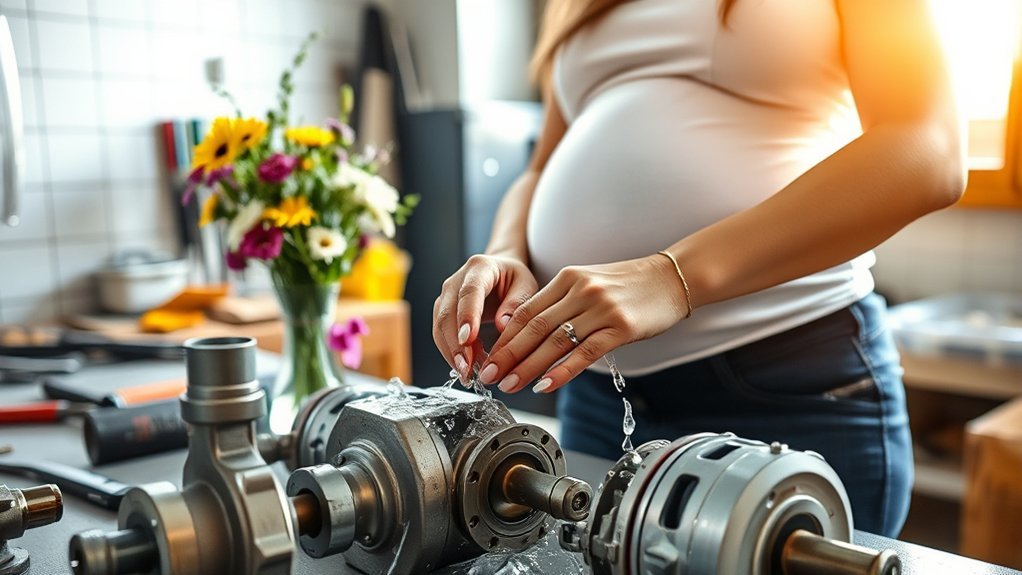
Cleaning pump parts is essential during pregnancy to guarantee both your health and your baby’s. Regular sanitization prevents harmful bacteria from contaminating milk, minimizing infection risks. Establishing a routine can seem intimidating, but it doesn’t have to be. With the right supplies and techniques, you can streamline the process. Let’s explore how to effectively manage this important task while maintaining your well-being.
Understanding the Importance of Cleaning Pump Parts
Cleaning pump parts is essential for ensuring both your health and your baby’s well-being. When you use a breast pump, it’s important to maintain cleanliness to prevent harmful bacteria from contaminating your milk.
Any residue left on the parts can lead to infections or illnesses for both you and your baby. Regular cleaning also extends the life of your pump by preventing build-up and wear on the components.
Residue on pump parts can cause infections; regular cleaning ensures safety for you and your baby while prolonging pump life.
You should clean pump parts after each use, ensuring that they’re free from milk residue and other contaminants.
Pay special attention to areas that are harder to reach, as these can harbor bacteria. By prioritizing this simple yet significant task, you create a safe feeding environment and promote your overall health during this important time.
Essential Supplies for Effective Cleaning
To effectively clean your pump parts, you’ll need a few essential supplies that make the process quick and efficient.
Start with a bottle brush; it’s perfect for reaching those tricky spots. A mild dish soap is vital—avoid harsh chemicals to protect both your pump and your baby. You’ll also want a clean sink or basin for washing.
Don’t forget a clean towel or drying rack to air-dry the parts effectively. If you prefer, a sterilizer can be beneficial for an extra layer of cleanliness.
Finally, having a storage container can help keep everything organized and ready for use. With these supplies on hand, you’re set to maintain a hygienic pumping routine.
Step-by-Step Guide to Cleaning Your Pump Parts
To effectively clean your pump parts, you’ll need the right supplies and techniques.
Start by gathering essential cleaning items, then follow recommended methods to guarantee everything is sanitized.
This way, you keep your equipment safe and ready for use.
Essential Cleaning Supplies
While you focus on your health during pregnancy, having the right cleaning supplies for your pump parts can make the process easier and more efficient.
Start with a gentle dish soap that’s free from harsh chemicals. It’s also important to have a clean, soft sponge or cloth for scrubbing. A dedicated bottle brush can help reach those tricky spots inside the bottles.
You’ll want a drying rack specifically designed for baby items to guarantee proper airflow and hygiene. Additionally, consider using sterilizing wipes or a steam sterilizer for extra sanitation.
Finally, having a storage container for clean parts keeps everything organized and ready for use. Gathering these essentials will streamline your cleaning routine and help maintain your pump parts effectively.
Recommended Cleaning Techniques
Cleaning your pump parts regularly is essential for maintaining hygiene and ensuring your baby’s safety.
Start by disassembling all parts according to the manufacturer’s instructions. Rinse each piece under warm water to remove any milk residue.
Next, wash the parts in warm, soapy water using a soft sponge; avoid abrasive materials that could scratch surfaces. Rinse thoroughly to eliminate soap residue.
For a deeper clean, you can sanitize by boiling the parts for five minutes or using a steam sterilizer. Allow them to air dry on a clean towel or drying rack.
Finally, store your clean parts in a clean, dry place to prevent contamination. Following these steps will help keep your pump parts safe and hygienic for your baby.
Safe Cleaning Solutions for Expectant Mothers
When cleaning your pump parts, it’s vital to choose safe solutions that won’t harm you or your baby.
You can use non-toxic cleaning agents and be mindful of essential oils, as not all are safe during pregnancy.
Consider natural disinfectant recipes that effectively clean while keeping your environment healthy.
Non-toxic Cleaning Agents
Choosing non-toxic cleaning agents is essential for expectant mothers who want to guarantee a safe environment for themselves and their babies.
Opt for cleaning solutions that are free from harsh chemicals, fragrances, and dyes. Vinegar, baking soda, and castile soap are excellent alternatives that effectively clean without harmful side effects. These natural agents can tackle most messes while making sure your home remains safe.
When cleaning pump parts, make certain thorough rinsing to eliminate any residue. Always check labels and choose products marked as biodegradable or eco-friendly.
Essential Oils Safety
While non-toxic cleaning agents provide a solid foundation for safe cleaning, incorporating vital oils requires careful consideration. Some essential oils can pose risks during pregnancy, so it’s important to know which ones are safe. Always dilute essential oils before use and consider their properties.
| Essential Oil | Safety During Pregnancy | Recommended Use |
|---|---|---|
| Lavender | Generally safe | Relaxation and stress relief |
| Peppermint | Use with caution | Avoid in early pregnancy |
| Lemon | Generally safe | Natural freshener |
| Tea Tree | Use with caution | Antimicrobial properties |
| Eucalyptus | Avoid | Potential respiratory issues |
Always consult your healthcare provider before using essential oils to guarantee your safety and that of your baby.
Natural Disinfectant Recipes
Creating your own natural disinfectants can be a safe and effective way to keep your home clean during pregnancy.
One simple recipe is a vinegar solution: mix equal parts white vinegar and water in a spray bottle. This solution effectively disinfects surfaces and eliminates odors.
Another option is a baking soda paste; just combine baking soda with water to form a thick paste. Apply it to surfaces, let it sit for a few minutes, and then rinse.
For an added antibacterial boost, you can include a few drops of lemon juice in either recipe.
These natural solutions help guarantee your environment remains safe for both you and your baby without harsh chemicals.
Enjoy a clean home with peace of mind!
Quick Cleaning Tips for Busy Moms
As you juggle the demands of motherhood, finding time to clean can feel overwhelming. To make it easier, try these quick cleaning tips.
First, keep a small bowl of warm, soapy water near your pumping area. After each use, immediately rinse your pump parts and drop them in. This prevents milk residue from drying.
Second, set a timer for five minutes for a quick clean-up session. You’ll be amazed at how much you can accomplish in a short time.
Third, consider using a dishwasher basket for easy, efficient cleaning.
Finally, designate one day a week for a more thorough cleaning.
With these strategies, you’ll maintain a clean environment without sacrificing precious moments with your little one.
The Role of Sanitization in Pump Maintenance
Sanitization is essential for maintaining your pump, as it helps guarantee that all parts are free from harmful bacteria.
By keeping your pump clean, you greatly reduce health risks for both you and your baby.
Prioritizing cleanliness not only protects your health but also enhances the pump’s performance.
Importance of Cleanliness
While you might focus on the excitement of your pregnancy, maintaining cleanliness in your pump parts is crucial for your health and your baby’s safety. Regular sanitization prevents harmful bacteria from accumulating, guaranteeing that every feeding is safe. Additionally, clean pump parts function more efficiently, which can save you time and effort.
| Benefit | Impact on Health | Maintenance Tip |
|---|---|---|
| Reduces bacteria | Lowers infection risk | Wash after every use |
| Enhances pump function | Guarantees efficient milk flow | Inspect for wear & tear |
| Encourages breastfeeding | Supports baby’s immunity | Use hot, soapy water |
Health Risks Prevention
Maintaining sanitized pump parts is essential for reducing health risks during pregnancy. Contaminated equipment can harbor bacteria and pathogens that could harm both you and your baby.
Regularly cleaning your pump and its components prevents the buildup of harmful substances. Use warm, soapy water to wash all parts, and guarantee thorough rinsing to eliminate any soap residue.
After cleaning, sanitize with a solution approved for baby products or boiling water for five minutes. Make sure to store your pump in a clean, dry place to avoid contamination.
How to Store Clean Pump Parts Properly
Properly storing clean pump parts is essential to guarantee their longevity and safety for your baby. Start by drying all parts thoroughly to prevent mold and bacteria growth. Next, use a dedicated container to keep them organized and protected from dust. Here’s a quick reference guide:
| Storage Method | Benefits |
|---|---|
| Airtight container | Prevents contamination |
| Clean, dry shelf | Easy access |
| Sealed plastic bag | Portable for travel |
| Labelled bins | Quick identification |
| Refrigerator storage | Keeps them sterilized |
Remember to regularly check for wear and tear, and replace any damaged parts promptly. Proper storage habits will help maintain your pump parts’ cleanliness and safety for use.
Common Mistakes to Avoid While Cleaning
Cleaning pump parts can be tricky, and avoiding common mistakes is essential for ensuring safety and hygiene. Here are four mistakes you should steer clear of:
- Using Harsh Chemicals: Avoid bleach or other strong cleaners that can leave harmful residues.
- Skipping Rinsing: Don’t forget to rinse thoroughly after washing. Soap residue can be harmful.
- Neglecting Regular Cleaning: Don’t wait until parts look dirty. Clean them after each use to maintain hygiene.
- Ignoring Manufacturer Instructions: Always refer to the guidelines provided. Different materials may require specific cleaning methods.
Tips for Managing Pump Cleaning During Pregnancy
While you’re managing the challenges of pregnancy, finding efficient ways to clean your pump parts is crucial for both your health and your baby’s.
Start by setting a consistent routine; cleaning immediately after each use prevents buildup. Use a designated area in your kitchen or bathroom to keep your supplies organized and easily accessible.
Establish a cleaning routine and designate a space to keep your pump supplies organized and ready for use.
Consider investing in a portable, sterilizing bag that can save time. If you’re feeling fatigued, try using warm, soapy water instead of boiling water for quick cleaning.
Additionally, enlist help from a partner or family member when you’re too tired. Finally, keep a checklist of steps to guarantee you don’t miss any parts during cleaning.
Prioritize these tips to streamline your pumping experience.
Resources for Further Support and Guidance
Finding reliable resources can enhance your pump cleaning routine and overall experience during pregnancy. Here are some valuable options to explore:
- Lactation Consultants: They can provide personalized advice on pump cleaning and breastfeeding practices.
- Online Parenting Forums: Join communities where you can ask questions and share experiences with fellow parents.
- Websites of Reputable Organizations: Look for resources from organizations like La Leche League or the American Academy of Pediatrics for expert guidance.
- Books on Breastfeeding: Check out literature that covers pump maintenance, cleaning, and breastfeeding tips to deepen your knowledge.
Utilizing these resources will help you navigate your pumping journey more effectively and confidently throughout your pregnancy.
Frequently Asked Questions
Can I Use Vinegar to Clean Pump Parts During Pregnancy?
Yes, you can use vinegar to clean pump parts during pregnancy. It’s a natural disinfectant that’s safe for you and your baby. Just rinse thoroughly afterward to remove any vinegar residue before using the parts again.
How Often Should I Clean My Pump Parts While Pregnant?
Like a clock ticking, you should clean your pump parts after every use. This keeps things fresh and safe for your baby. Regular cleaning guarantees your equipment’s performance stays sharp and hygienic during your pregnancy.
Are There Any Harmful Chemicals to Avoid in Cleaning Solutions?
You should avoid cleaning solutions with harsh chemicals like bleach, ammonia, or phthalates. Choose gentle, non-toxic alternatives that are safe for you and your baby, ensuring your cleaning routine supports a healthy environment.
Can I Delegate Pump Cleaning to Someone Else While Pregnant?
“Many hands make light work.” You can delegate pump cleaning to someone else while pregnant, ensuring they understand safe practices. Just communicate your preferences and any specific cleaning guidelines to maintain hygiene and safety standards.
What Are Signs of Improperly Cleaned Pump Parts?
Signs of improperly cleaned pump parts include visible milk residue, mold growth, unpleasant odors, and discolored components. If you notice any of these issues, it’s essential to clean your pump parts thoroughly to guarantee safety.
Conclusion
Just as a gardener tends to their plants, ensuring they’re nourished and free from pests, you too must care for your pump parts. By maintaining a clean and safe feeding environment, you’re nurturing your baby’s health and well-being. Embrace the routine, seek help when needed, and remember, a little effort today cultivates a thriving tomorrow for both you and your little one. With diligence and care, you’ll reap the rewards of a healthy start for your family.
