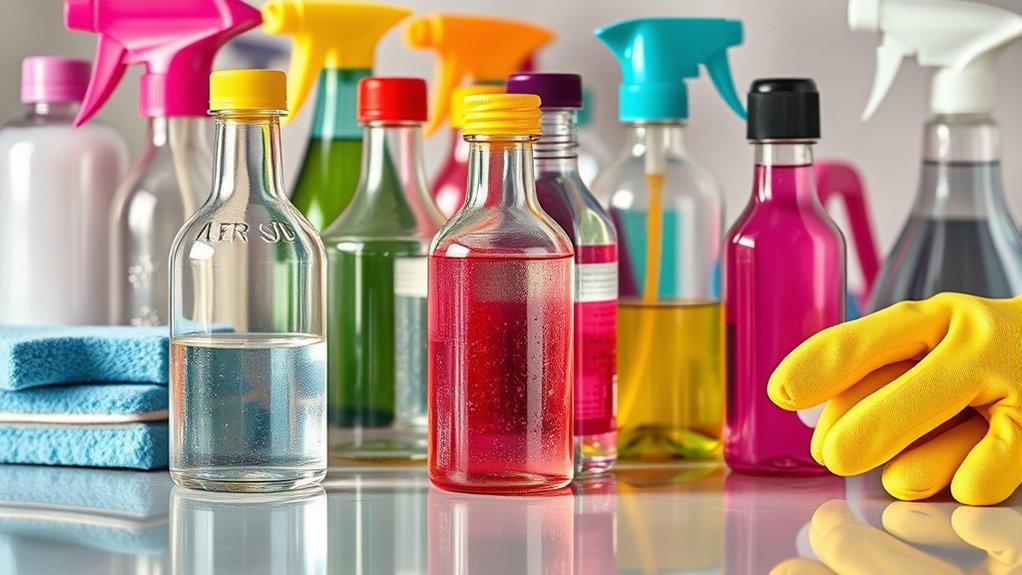
When it comes to cleaning bottles, recognizing the symptoms and signs of contamination is vital. Unusual odors, visible mold, and sticky residues can all indicate that a thorough cleaning is overdue. Additionally, changes in liquid consistency or strange tastes can signal potential safety issues. It’s essential to be vigilant, as neglecting these warning signs could lead to serious health risks. What other factors should you consider for maintaining bottle hygiene?
Unusual Odors Emanating From Bottles
Have you noticed any unusual odors emanating from your bottles?
These unpleasant scents often signal a lack of proper bottle hygiene. When residues from previous contents linger, they can decompose and create odors that aren’t only off-putting but may also indicate the presence of harmful bacteria.
Unpleasant scents from bottles often indicate poor hygiene, as lingering residues can decompose and harbor harmful bacteria.
It’s essential to regularly clean your bottles to prevent these odors from developing. Using warm soapy water or a specialized bottle cleaner can effectively eliminate residues and prevent the buildup of organic material.
If you detect any persistent unpleasant scents, it’s a strong indication that your cleaning routine needs attention. Ignoring these signs can lead to health risks, so stay proactive in maintaining your bottle hygiene for safe and enjoyable usage.
Visible Mold Growth
Visible mold growth on your bottles is a clear indication that they require immediate attention. Mold thrives in moist environments, making proper bottle maintenance vital.
If you spot mold, don’t just wipe it away; it’s important to thoroughly clean and sanitize the bottles to prevent reoccurrence. Use hot, soapy water or a vinegar solution to eliminate mold spores effectively.
After cleaning, verify your bottles are completely dry before storage, as moisture promotes mold growth. Implementing regular inspections can aid in mold prevention, allowing you to catch any issues early.
Discoloration of the Bottle
Discoloration of the bottle often signals deeper issues that need addressing. When you notice changes in color, particularly with plastic or glass bottle materials, it’s essential to investigate.
Color fading can result from prolonged exposure to sunlight or harsh chemicals, affecting the integrity of the bottle. Additionally, certain liquids can cause staining, leading to permanent discoloration.
Prolonged sunlight or harsh chemicals can fade bottle colors and compromise their integrity, while certain liquids may cause permanent staining.
If your bottle has a cloudy appearance or uneven color, it may indicate wear and tear or a reaction with the contents stored. Ignoring these signs can compromise both the aesthetics and safety of the bottle.
To maintain your bottles, regularly inspect them for discoloration and clean them appropriately to prevent long-term damage. Remember, prevention is key to ensuring your bottles remain functional and visually appealing.
Sticky Residue on the Surface
When you encounter a sticky residue on the surface of your bottle, it often signals that residues from beverages or cleaning agents haven’t been fully removed.
These sticky substances can accumulate over time, particularly if the bottle isn’t cleaned regularly or if it’s used for sugary drinks.
To effectively remove this residue, employ targeted cleaning techniques. Start by rinsing the bottle with warm water to loosen the sticky substances.
Then, use a mixture of baking soda and vinegar, a powerful duo that breaks down stubborn residues. Scrub with a bottle brush, ensuring you reach all surfaces.
Finally, rinse thoroughly to eliminate any remaining cleaning agent, leaving your bottle clean and residue-free.
Regular maintenance can prevent future stickiness.
Changes in Liquid Consistency
If you notice changes in the consistency of the liquid inside your bottle, it often indicates contamination or a buildup of residues that can affect the quality of your beverages.
You might observe liquid thickness variations, such as increased viscosity that makes pouring difficult. These viscosity changes can result from bacterial growth, mold, or leftover drink components that haven’t been properly cleaned.
Additionally, if the liquid appears thicker than usual, it can suggest that sugar or other substances have broken down, leading to unwanted textures and flavors.
Addressing these issues promptly is vital, as consuming contaminated liquids can pose health risks. Regularly cleaning your bottles can help maintain consistent liquid quality and prevent unpleasant surprises.
Presence of Bubbles or Foam
When you notice bubbles or foam in your cleaning solution, it can indicate specific causes worth examining.
These bubbles might result from the cleaning agents interacting with residues or contaminants in the bottle.
Understanding how different cleaning solutions impact foam formation can help you choose the right product for effective cleaning.
Causes of Bubbles
Although bubbles or foam in cleaning bottles can be visually intriguing, they often indicate underlying issues that deserve attention.
The primary causes of bubble formation typically involve agitation, chemical reactions, or contamination. When you shake a bottle, you introduce air, leading to various bubble types, including small, persistent bubbles or larger, fleeting ones.
Persistent bubbles suggest a higher concentration of surfactants, while fleeting bubbles may indicate a lack of stability in the solution. Additionally, if contaminants like dirt or oils mix with your cleaning solution, they can trigger unwanted foam.
Recognizing these causes is essential as they can affect the efficacy of your cleaning process, potentially leaving residues or reducing the solution’s effectiveness.
Cleaning Solutions Impact
The presence of bubbles or foam in your cleaning solutions can considerably impact their effectiveness. When using certain cleaning techniques, foam can enhance the solution’s ability to cling to surfaces, allowing for deeper penetration into grime and dirt.
However, excessive bubbles may indicate a concentration issue or a reaction with contaminants, which could reduce overall solution effectiveness. If your cleaning solution produces too much foam, it might require dilution or a change in formulation.
It’s essential to monitor these factors to guarantee you’re achieving the best possible results. Remember, the ideal cleaning solution should balance foam production with cleaning power, ensuring that you tackle grime efficiently without wasting product or time.
Strange Tastes When Consuming Contents
When you notice strange tastes while consuming contents from a bottle, it may indicate the presence of contaminants or residual cleaning agents.
These unwanted substances can alter the flavor profile of your beverage or food. Identifying the source of these tastes is essential for ensuring safety and maintaining the quality of what you consume.
Contaminants in Bottles
Contaminants in bottles can lead to strange tastes that mar your drinking experience. When you don’t properly sanitize your bottles, harmful bacteria can thrive, altering the flavor of your beverages. It’s crucial to understand how different contaminants affect taste and safety.
| Contaminant Type | Effect on Taste |
|---|---|
| Harmful Bacteria | Sour or off-flavors |
| Residue from Previous Contents | Chemical or metallic taste |
| Mold | Musty or earthy flavor |
| Soap Residue | Soapy or artificial flavor |
Using effective bottle sanitization methods, like hot water and vinegar or specialized sanitizers, can help eliminate these issues. Always verify your bottles are thoroughly cleaned to enjoy your drinks without unpleasant surprises.
Residual Cleaning Agents
Residual cleaning agents can considerably alter the taste of your beverages, often leaving an unpleasant aftertaste. When you fail to thoroughly rinse bottles, residual risks arise, as cleaning chemicals may interact with the contents.
These chemical reactions can produce strange flavors that compromise the quality of your drink. It’s vital to recognize that even small amounts of these agents can lead to significant taste changes, making your beverage unpalatable or even unsafe.
To avoid this, always rinse bottles thoroughly after cleaning and consider using food-safe cleaning solutions. Regularly inspecting your bottles for any lingering scents or tastes can help guarantee that your drinks remain fresh and enjoyable.
Prioritizing proper cleaning techniques will enhance your overall drinking experience.
Expired or Unlabeled Products
Have you ever wondered about the risks associated with using expired or unlabeled products in your cleaning routine?
Using expired products can compromise their effectiveness, leading to inadequate cleaning and potential residue buildup.
Using expired cleaning products can reduce their cleaning power, resulting in ineffective results and unwanted residue.
Unlabeled items pose an even greater risk, as you mightn’t know their ingredients or safety precautions. This lack of information can lead to dangerous chemical reactions, especially when mixed with other cleaning agents.
Additionally, expired items may harbor bacteria or fungi, which can contaminate your surfaces rather than sanitize them.
To guarantee a safe and efficient cleaning process, always check expiration dates and properly label all items.
Frequent Use Without Cleaning
Using expired or unlabeled products can lead to significant risks, but another concern arises when you frequently use cleaning bottles without proper maintenance.
When you repeatedly use these bottles without adequate sanitization methods, residues can build up, harboring bacteria and reducing their effectiveness. This neglect can result in cross-contamination, where harmful substances linger and compromise your cleaning efforts.
To guarantee peak performance, you must prioritize bottle maintenance. Clean your bottles regularly, using appropriate sanitization methods to eliminate any harmful residues.
Inspect for signs of wear or damage, as these can affect functionality. By maintaining your cleaning bottles, you not only protect your health but also enhance the efficiency of your cleaning tasks.
Regular care is key to safe and effective cleaning.
Frequently Asked Questions
How Often Should I Clean My Bottles?
You should clean your bottles daily if you use them frequently, but at least once a week is crucial for proper bottle maintenance. Regular cleaning frequency prevents bacteria buildup and guarantees your bottles stay fresh and safe.
What Cleaning Solutions Are Safe for Bottle Cleaning?
You can safely use a vinegar solution or a bleach alternative like hydrogen peroxide for cleaning bottles. Both options effectively eliminate bacteria and odors while being non-toxic, ensuring your bottles remain safe for everyday use.
Can I Use a Dishwasher for Cleaning Bottles?
You can use a dishwasher for cleaning bottles, but make certain you adjust the dishwasher settings according to the bottle materials. Remember, not all materials withstand high heat, so check compatibility before loading them in.
How Should I Store Cleaned Bottles?
Store cleaned bottles in labeled storage containers for easy access. Use upright organization to prevent damage and guarantee proper airflow. Consider using dividers to maximize space and keep similar bottles together for efficient bottle organization tips.
What Are the Best Drying Methods for Bottles?
The best drying methods for bottles are air drying and towel drying. Air drying allows for thorough moisture evaporation, while towel drying provides quick results. Choose based on your needs and available time for ideal bottle hygiene.
Conclusion
To summarize, paying attention to the symptoms and signs of contamination is essential for ensuring your bottles remain safe for use. Unpleasant odors, visible mold, or strange tastes can indicate serious issues that shouldn’t be ignored. After all, how often do you consider what might linger in your bottle? Regular cleaning and inspection will not only enhance your drinking experience but also protect your health. Make it a habit to keep your bottles in top condition for maximum safety.
