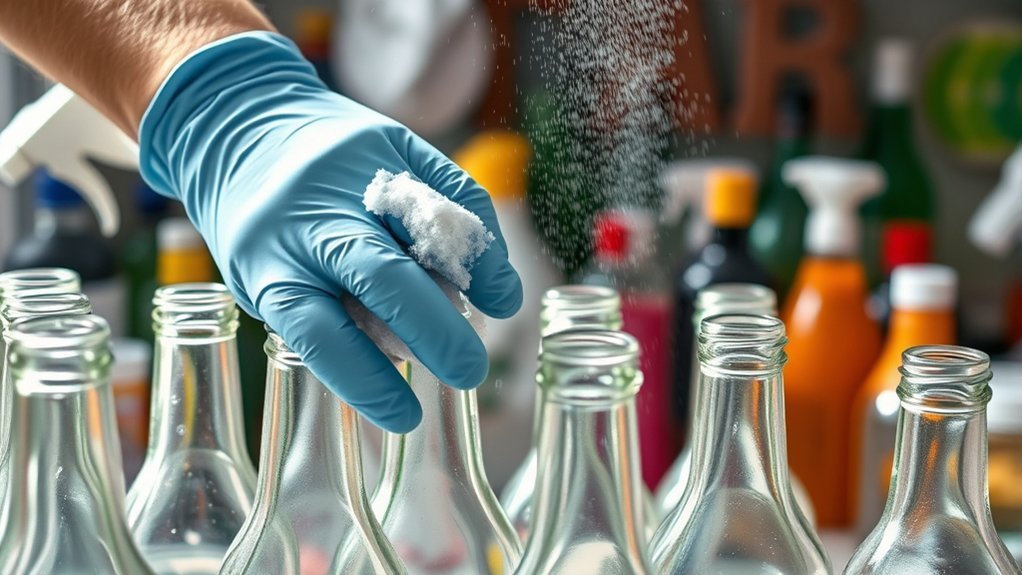
Your bottle is a silent vessel, harboring more than just your favorite beverages. Many overlook the importance of cleaning, believing their bottles stay “clean enough” after use. However, this complacency can lead to harmful bacteria thriving in the hidden corners of those containers. Understanding the reasons behind this neglect is essential, as the implications for your health can be severe. What are the underlying factors contributing to this widespread oversight?
The Importance of Bottle Hygiene
When you consider how often you use bottles for drinking or storing liquids, it’s vital to recognize the importance of maintaining their hygiene.
Different bottle materials, such as plastic, glass, or stainless steel, can harbor bacteria if not cleaned regularly. The hygiene frequency depends on how often you use the bottle and what you store in it.
For instance, bottles used for sugary drinks or smoothies require more frequent cleaning than those used solely for water. Neglecting proper hygiene can lead to unpleasant odors, mold growth, and potential health risks.
Common Misconceptions About Cleaning
How often do you find yourself believing that all cleaning methods are equally effective? Many bottle myths lead you to think that soap and water alone can eliminate harmful bacteria.
However, this common cleaning belief is misleading. While soap removes dirt, it doesn’t always kill germs, especially if you’re using a bottle that’s been exposed to contaminants.
Another misconception is that a quick rinse suffices. In reality, thorough cleaning and sanitizing are essential for bottle hygiene.
You might also think that all products labeled as “disinfectants” are safe for bottles, but some can leave harmful residues.
Understanding these misconceptions helps you make informed choices and guarantees the effectiveness of your cleaning routine, protecting your health in the process.
Understanding Bacterial Growth in Bottles
While you mightn’t think about it, bacterial growth in bottles can quickly become a significant concern. When you use a bottle frequently without cleaning it, bacteria can thrive, leading to bacterial biofilm formation. This slimy layer allows bacteria to adhere to surfaces, making it harder to remove them during cleaning.
Environmental factors like temperature, humidity, and the presence of nutrients contribute to this growth. For instance, warm, damp conditions can accelerate bacterial multiplication, especially when leftover liquids are present.
If you don’t clean your bottles regularly, you’re not just risking odor or taste changes; you’re also potentially exposing yourself to harmful pathogens. Staying aware of these factors can help you maintain a cleaner, safer drinking experience.
Factors Contributing to Neglected Cleaning
Bacterial growth in bottles often stems from a lack of attention to cleaning routines. Many people overlook their bottle storage practices, leading to a build-up of harmful microorganisms.
Several factors contribute to this neglect:
- Busy lifestyles leave little time for cleaning schedules.
- Forgetting to clean can become a habitual oversight.
- The perception that bottles are ‘clean enough’ can be misleading.
- Lack of awareness about the risks associated with unclean bottles.
When you prioritize cleaning routines, you protect your health and maintain the quality of your beverages.
By establishing consistent cleaning schedules, you can minimize bacterial growth and guarantee your bottles remain safe for use.
Taking these steps is essential in fostering better hygiene practices.
Health Risks Associated With Poor Hygiene
Neglecting proper hygiene in bottle cleaning can expose you to various health risks that may not be immediately apparent. Contaminated bottles can harbor harmful bacteria, such as E. coli and Salmonella, leading to foodborne illnesses. These health implications can range from mild gastrointestinal discomfort to severe infections requiring medical attention.
Additionally, mold growth in poorly cleaned bottles can trigger respiratory issues, especially in sensitive individuals. Understanding these risks underscores the importance of hygiene education. By learning effective cleaning methods, you can greatly reduce the likelihood of exposure to these pathogens.
Ultimately, prioritizing hygiene in bottle maintenance not only protects your health but also contributes to a safer environment for those around you.
Best Practices for Effective Bottle Cleaning
When it comes to cleaning your bottles effectively, understanding proper washing techniques is crucial.
You’ll want to use recommended sanitizing solutions to guarantee all harmful bacteria are eliminated.
Proper Washing Techniques
Effective bottle cleaning hinges on a few key techniques that can considerably enhance your results. Understanding your bottle materials is vital; different materials require specific care.
For instance, glass bottles can withstand harsher scrubbing compared to plastic ones, which may scratch easily.
Consider these essential practices:
- Rinse bottles immediately after use to prevent residue buildup.
- Use warm, soapy water for effective cleaning, especially for frequent washes.
- Employ a bottle brush for hard-to-reach areas, ensuring thorough cleaning.
- Allow bottles to air dry completely before storage to avoid mold growth.
Sanitizing Solutions Recommended
After confirming your bottles are thoroughly washed, the next step is sanitizing them to eliminate any lingering bacteria or pathogens.
You can choose between natural disinfectants like vinegar or hydrogen peroxide, which are effective and safe for daily use. Mixing one part vinegar with four parts water creates a simple solution that can kill most germs.
Alternatively, commercial sanitizers designed for food contact surfaces are also highly effective. Follow the manufacturer’s instructions for dilution and contact time to guarantee maximum efficacy.
Whichever method you select, always rinse the bottles with clean water after sanitization to remove any residue.
Promoting Awareness and Education on Bottle Hygiene
Many people overlook the importance of bottle hygiene, often assuming that a quick rinse will suffice. However, proper hygiene education is essential for ensuring bottle safety.
Educating yourself and others about the significance of thorough cleaning can lead to healthier habits.
Consider the following:
- Unseen bacteria can cause serious health issues.
- Your family’s well-being depends on proper bottle care.
- Ignoring hygiene risks can lead to illnesses that are easily preventable.
- Simple cleaning techniques can save you from future problems.
Frequently Asked Questions
How Often Should I Clean My Reusable Bottles?
You should clean your reusable bottles daily for ideal bottle maintenance. Regular hygiene practices, like washing with soap and hot water, prevent bacteria buildup and guarantee your drinks stay safe and fresh for consumption.
Can I Use Dish Soap to Clean My Bottles?
Yes, you can use dish soap to clean your bottles, much like a knight wielding a sword for protection. Its effectiveness guarantees thorough sanitization, removing residues and germs, keeping your bottles safe and clean for reuse.
What Tools Are Best for Cleaning Narrow-Neck Bottles?
To clean narrow-neck bottles effectively, use bottle brushes designed for tight spaces along with appropriate cleaning solutions. These tools help remove residue and guarantee thorough cleaning, making your bottles safe for reuse and maintaining hygiene.
Are There Specific Cleaning Products to Avoid?
Avoid cleaning products with toxic ingredients like bleach and ammonia—they’re like hidden landmines for your health. Instead, opt for eco-friendly alternatives like vinegar or baking soda, which clean effectively without compromising your safety or the environment.
How Can I Tell if My Bottle Is Clean?
To determine your bottle’s cleanliness, check for visual contamination signs like residue or cloudiness. Additionally, verify there are no lingering odors. If it looks and smells fresh, it’s likely clean and safe for use.
Conclusion
To protect your health and guarantee the quality of your beverages, prioritize bottle hygiene. Clean regularly to prevent harmful bacteria, understand the misconceptions that lead to neglect, and recognize the risks of inaction. By adopting best practices for cleaning, you not only safeguard yourself from foodborne illnesses but also promote a culture of awareness around hygiene. Remember, a clean bottle means a healthier drink, a safer lifestyle, and a commitment to your well-being.
