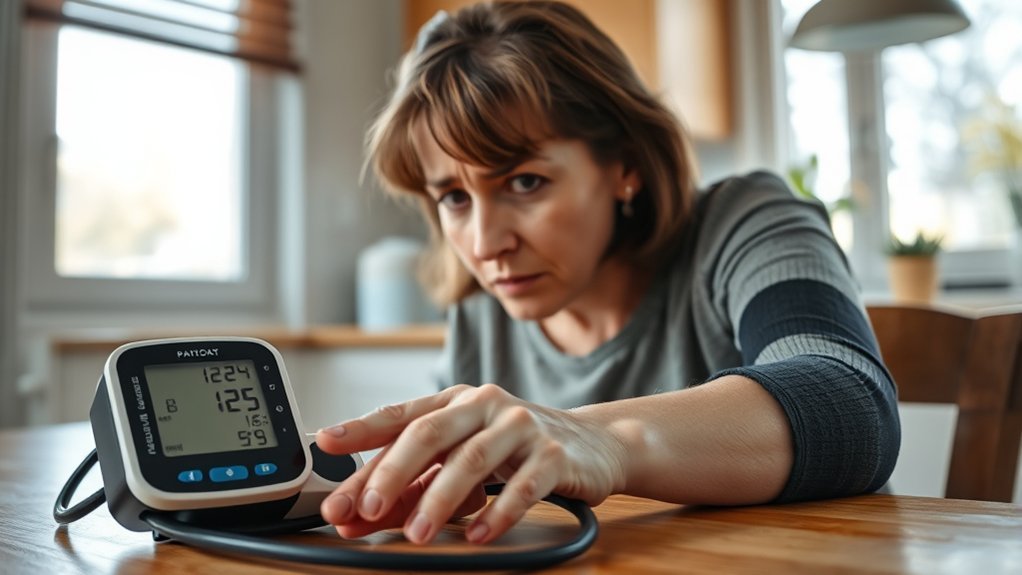
You might think chronic hypertension doesn’t require urgent attention, but recognizing when to call a doctor can be life-saving. High blood pressure often sneaks up on you, showing few symptoms until it’s too late. Understanding the signs and knowing when to act can help you manage your health effectively. So, what should you look out for, and when is it time to reach out for help?
Understanding Chronic Hypertension
Chronic hypertension, often called high blood pressure, is a serious condition that can quietly affect your health over time. Defined by consistent blood pressure readings of 130/80 mm Hg or higher, it often develops unnoticed, earning its nickname as a “silent killer.” Common risk factors include obesity, a sedentary lifestyle, excessive alcohol consumption, and a family history of high blood pressure. Regular monitoring is essential; if you’re over 40, check your blood pressure annually or every 3-5 years if younger. Be alert for symptoms like chest pain or shortness of breath, which require immediate medical attention. Making lifestyle changes, such as improving your diet and increasing physical activity, can help manage chronic hypertension effectively.
Recognizing Symptoms of High Blood Pressure
High blood pressure often goes unnoticed, which is why being aware of potential symptoms is vital. While many people don’t experience symptoms, you should be alert for signs like chest pain, shortness of breath, or changes in vision, especially if your blood pressure measurement is elevated. A hypertensive crisis occurs when readings reach 180/120 mm Hg or higher, necessitating immediate rechecking and possible medical attention. If you’re experiencing symptoms like severe headaches, confusion, or difficulty speaking, don’t hesitate to call emergency services. These could be significant warning signs of a heart attack or stroke. Remember, if you suspect high blood pressure or have concerns, it’s important to contact your doctor promptly to discuss your situation and options.
Importance of Regular Monitoring
Since hypertension often develops silently, regular monitoring of your blood pressure is essential for maintaining your overall health. Adults over 40 should have their blood pressure checked annually, while those aged 18-39 should get regular checks every 3-5 years. Keeping track of your readings helps health care professionals make informed decisions about your treatment and any necessary lifestyle changes. Monitoring your blood pressure also allows for early detection of elevated blood pressure, which can lead to hypertensive crises if left unchecked. If readings reach 180/120 mm Hg or higher, seek immediate medical attention. Consistent monitoring supports medication adherence and helps prevent serious complications associated with chronic hypertension, ensuring you stay on top of your health.
When to Seek Medical Attention

If you notice concerning changes in your blood pressure or experience troubling symptoms, it’s essential to seek medical attention promptly. Blood pressure readings of 180/120 mm Hg or higher require immediate help, especially if you have chest pain or shortness of breath. Severe headaches, confusion, or changes in vision can signal a hypertensive emergency, so contact your healthcare provider right away. Regularly monitor your blood pressure, and if it consistently falls into the hypertension range (≥ 130/80 mm Hg), reach out to your doctor. Don’t ignore new or worsening symptoms, such as difficulty speaking or weakness. Always consult a healthcare professional about any concerns regarding your blood pressure management or necessary lifestyle adjustments.
Risk Factors for High Blood Pressure
Understanding the risk factors for high blood pressure is essential for your health. Age, family history, and lifestyle choices like diet and physical activity all play a significant role in your blood pressure levels. Additionally, underlying health conditions can further increase your risk, making it important to stay informed and proactive.
Age and Family History
As you age, your risk of developing high blood pressure increases greatly, particularly after the age of 50. Systolic pressure tends to rise due to arterial stiffness, making regular monitoring essential. About 65% of individuals aged 60 and older experience hypertension, highlighting the need for vigilance. Family history also greatly impacts your risk; if your parents or siblings have high blood pressure, you’re more likely to face similar challenges. Genetic factors contribute to this predisposition, especially in certain populations, such as African Americans, where the prevalence is remarkably higher. Understanding your age and family history can help you take proactive health measures, ensuring you stay on top of your blood pressure monitoring and management strategies.
Lifestyle Choices Impact
While age and family history play important roles in your risk for high blood pressure, lifestyle choices also have a profound impact. Making effective lifestyle changes can greatly reduce your chances of developing hypertension. Obesity is a major risk factor, as excess weight increases blood volume, leading to higher blood pressure levels. Incorporating regular physical activity into your routine helps maintain a healthy weight and supports heart health. Managing stress is essential, too; chronic stress can lead to unhealthy habits that exacerbate hypertension. Finally, adopting a balanced diet low in sodium and rich in fruits, vegetables, and whole grains can help keep your blood pressure in check. Focus on these choices to lower your risk of high blood pressure.
Underlying Health Conditions
Chronic hypertension often stems from underlying health conditions that can greatly elevate your risk for high blood pressure. Conditions like diabetes, kidney disease, and certain heart diseases greatly increase this risk. Obesity is another major risk factor, as excess body fat leads to higher blood volume and arterial pressure. A family history of hypertension can also predispose you to develop this condition. Additionally, certain lifestyle choices, such as excessive alcohol consumption, a high-sodium diet, and lack of physical activity, can worsen these underlying health issues. If you’re of African American descent, you’re at a higher risk for complications related to chronic hypertension, making awareness and monitoring vital. Addressing these factors through lifestyle changes is essential for better health.
Treatment Options for Chronic Hypertension
Managing chronic hypertension effectively involves a combination of lifestyle changes and medication tailored to your individual health needs. Start by adopting a healthy diet, engaging in regular physical activity, and limiting alcohol intake. Stress management is also vital. Your healthcare provider may prescribe medications like diuretics, ACE inhibitors, or beta-blockers to help lower your blood pressure. It’s essential to follow your treatment plan and adhere to prescribed medications for the best results. Regular monitoring of your blood pressure will help assess the effectiveness of your treatment and allow for necessary adjustments. By working closely with your healthcare provider, you can greatly reduce the risk of severe hypertension-related complications, such as heart attack and stroke, ensuring better long-term health.
Lifestyle Changes to Manage Blood Pressure

To effectively lower your blood pressure, adopting specific lifestyle changes is essential. Here are three key adjustments you can make:
- Heart-healthy diet: Focus on fruits, vegetables, whole grains, and low-fat dairy to improve your overall heart health.
- Regular physical activity: Aim for at least 150 minutes of moderate aerobic exercise each week to maintain a healthy weight and reduce hypertension.
- Limit sodium intake: Try to keep your sodium consumption under 2,300 mg daily, ideally 1,500 mg if you’re dealing with high blood pressure.
Additionally, consider incorporating stress management techniques like meditation or yoga and reducing alcohol consumption to moderate levels. These lifestyle changes can greatly help you manage your blood pressure effectively.
Resources for Support and Education
When managing chronic hypertension, finding the right resources can make a big difference. Online communities and local support groups provide encouragement and shared experiences, while educational health resources can enhance your understanding of blood pressure management. Utilizing these tools will empower you to take control of your health and make informed decisions.
Online Communities for Support
Many people find comfort and valuable information in online communities dedicated to chronic hypertension. These platforms not only provide emotional support but also enhance your knowledge about managing your condition. Here are three benefits of joining an online community:
- Peer Support: Connect with others who share similar experiences, reducing feelings of isolation and anxiety.
- Expert-Led Discussions: Participate in Q&A sessions with health professionals to address your health concerns and get reliable advice.
- Resource Sharing: Access valuable materials from trusted organizations like the American Heart Association, including articles and webinars focused on lifestyle changes.
Educational Health Resources
Educational health resources are essential for anyone managing chronic hypertension. Organizations like the American Heart Association and the Centers for Disease Control and Prevention provide valuable information on hypertension, helping you understand blood pressure readings and necessary lifestyle changes. Monthly newsletters from health organizations keep you updated on the latest research and treatment options. Community health programs often offer free blood pressure screenings and educational workshops, raising awareness about hypertension and promoting heart health. Additionally, mobile health applications can track your blood pressure readings, medication schedules, and lifestyle changes, making it easier to manage your condition effectively. Utilizing these resources empowers you to take control of your health and make informed decisions.
Local Support Groups
Support groups can be a valuable resource for anyone managing chronic hypertension. They provide a supportive community where you can share experiences and coping strategies. Here are three key benefits of joining local support groups:
- Educational Resources: Many groups offer workshops and guest speakers to help you learn about hypertension management and lifestyle changes.
- Emotional Well-Being: Connecting with others facing similar challenges can boost your motivation and help you stick to your treatment plan.
- Community Connections: Local hospitals and health organizations often host these groups, making it easier to find support near you.
You can also use online directories or consult your healthcare provider to locate a support group that meets your specific needs.
Frequently Asked Questions
At What Point Should You Go to the Doctor With High Blood Pressure?
You should see a doctor if your blood pressure is consistently 140/90 mm Hg or higher, or if you experience symptoms like severe headaches, chest pain, or shortness of breath. Don’t wait—get evaluated.
Does High BP Cause Vomiting?
Yes, high blood pressure can cause vomiting, especially during hypertensive crises. If you experience vomiting alongside severe headaches or chest pain, it’s essential to seek immediate medical attention to prevent serious complications.
Should I Go to the ER if My Blood Pressure Is 140 Over 90?
If your blood pressure’s 140 over 90, it’s like a warning light flashing. You don’t need the ER unless you feel severe symptoms. Regular monitoring and a chat with your doctor are key for managing it.
What BP Level Is Stroke Level?
A blood pressure level of 180/120 mm Hg or higher is considered stroke level. If you reach this reading, seek immediate medical help to reduce your risk of a stroke and potential complications.
Conclusion
In the journey of managing chronic hypertension, think of your heart as a steadfast ship traversing stormy seas. Regular monitoring and swift action during troubling symptoms are your compass and anchor. By understanding when to call for help and embracing lifestyle changes, you can steer your ship toward calmer waters. Remember, it’s not just about surviving the storm but thriving through it, ensuring your heart’s voyage remains safe and steady. Don’t hesitate to seek support—your health deserves it.
