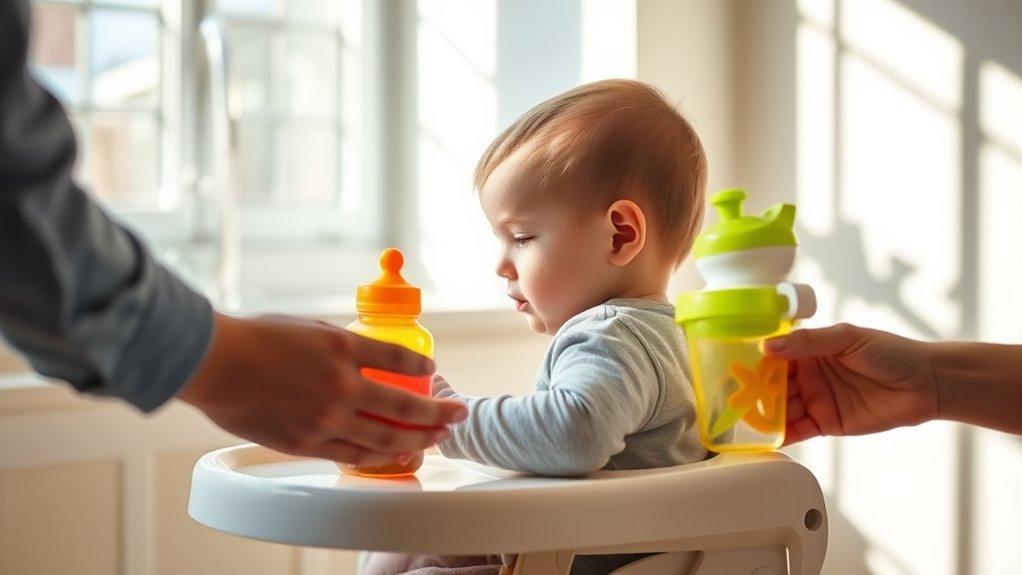
It’s common to worry that your baby will never take a bottle, but many breastfeeding babies eventually make the change. Understanding the do’s and don’ts of introducing a bottle can ease your concerns and help you navigate this process smoothly. From creating a nurturing environment to knowing when to step back, there are effective strategies to try. Let’s explore how you can approach this challenge with confidence and care.
Understanding Bottle Refusal
Why does bottle refusal happen? It’s a common issue many parents face, and it can stem from various reasons.
Your baby might prefer breastfeeding due to the closeness and comfort it provides. They may also find the bottle nipple unfamiliar or uncomfortable, leading to frustration.
Sometimes, teething or illness can make sucking difficult, causing them to reject the bottle. Emotional factors play a role, too; if they sense stress or tension during feeding, they may resist.
Do: Introduce Alternatives Gradually
While it might be tempting to rush into introducing alternatives, taking a gradual approach can make a significant difference in helping your baby accept a bottle.
Start with small steps to ease the change:
- Choose the Right Time: Pick a moment when your baby is calm and relaxed rather than fussy or hungry.
- Introduce a Familiar Taste: If you’re shifting from breastfeeding, try offering expressed milk in the bottle first to make it feel more familiar.
- Experiment with Different Bottles: Babies can be picky, so don’t hesitate to try various nipple shapes and flow rates to find what your baby prefers.
Don’t: Force the Bottle
Introducing a bottle can be a delicate process, and it’s important to remember that forcing it can backfire. When you push your baby to accept a bottle, you risk creating negative associations. This can lead to increased resistance and stress for both of you.
Instead of forcing the issue, try to stay calm and patient. Watch for signs of readiness and choose moments when your baby is relaxed. If they refuse, don’t take it personally—it’s a common experience.
You might consider trying different bottle types or nipples, allowing your baby to explore at their own pace. Remember, building trust during this change is essential. Forcing the bottle will only create more frustration, so take a step back and let things unfold naturally.
Do: Make Feeding Time Enjoyable
Creating a positive atmosphere during feeding time can make a significant difference in how your baby responds to the bottle. Here are three practical tips to help you enjoy this experience together:
- Choose a comfortable setting: Find a cozy spot where both you and your baby can relax. A quiet, well-lit area can create a soothing environment.
- Engage with your baby: Make eye contact and smile. Talk or sing softly to them, fostering a sense of connection and security during feeding.
- Introduce fun elements: Use colorful, playful bottles or toys nearby to capture your baby’s interest. This can make feeding feel like an enjoyable activity rather than a chore.
Don’t: Change Too Many Variables at Once
When you’re trying to help your baby accept the bottle, it’s essential to change only one variable at a time.
This way, you can clearly track how each adjustment affects your baby’s reaction.
Monitoring their response will help you find what works best without overwhelming them.
Track One Change
While it might be tempting to overhaul your baby’s feeding routine all at once, doing so can lead to confusion and frustration for both you and your little one.
Instead, focus on tracking one change at a time for better results. Here are three key areas to evaluate:
- Introduce a new bottle: Choose one bottle type or brand, and give your baby time to adjust before switching again.
- Vary the nipple flow: Try a different nipple size, but only after your baby has adapted to the current one.
- Adjust feeding environment: Change the setting (like lighting or noise) gradually, allowing your baby to feel comfortable with each new aspect.
Taking it slow helps you both navigate this shift smoothly!
Monitor Baby’s Reaction
Tracking one change at a time helps you understand how your baby responds to each adjustment. If you introduce multiple changes—like switching bottles, changing formula, or altering feeding times—it’s tough to pinpoint what’s causing any positive or negative reaction.
Your baby might refuse the bottle for reasons that aren’t immediately clear. By focusing on one variable, you can observe their behavior and feelings more accurately. Take notes on how your baby reacts, whether they seem more comfortable or distressed.
This approach not only supports better decision-making but also builds your confidence as you navigate this shift. Remember, patience is key; it might take time to find the right combination that works for both of you.
Do: Offer the Bottle at Different Times
To help your little one accept the bottle, try offering it at different times throughout the day.
Experimenting with various feeding times can make a difference in their willingness to try it out.
Additionally, don’t hesitate to switch up the bottle types to see what they might prefer.
Explore Various Feeding Times
Offering the bottle at various feeding times can make a significant difference in your baby’s acceptance of it. Experimenting with different moments throughout the day can help you find what works best.
Here are some ideal times to try:
- Morning Wake-Up: Your baby might be more receptive after a good night’s sleep when they’re fresh and hungry.
- Post-Nap: After a nap, babies tend to be calm and may be more open to trying something new.
- During Playtime: Offering the bottle during a relaxed play session can create a positive, low-pressure environment for them to explore it.
Stay patient and keep trying—your baby’s willingness to accept the bottle may improve with time and experimentation.
Try Different Bottle Types
When it comes to introducing a bottle to your baby, trying out different bottle types can make a world of difference. Each baby has their own preferences, so experimenting is key. Here’s a quick guide to help you choose:
| Bottle Type | Description |
|---|---|
| Standard Bottles | Traditional shape, easy to hold. |
| Wide Neck Bottles | Mimics breast shape for comfort. |
| Soft Squeeze Bottles | Allows for easy milk flow control. |
Don’t: Use the Bottle as a Comfort Object
While it might be tempting to let your little one use a bottle as a source of comfort, doing so can lead to long-term habits that are hard to break.
Instead, focus on healthier comfort strategies. Here are three alternatives to contemplate:
- Offer a Lovey: Introduce a soft toy or blanket that your child can cuddle during tough moments, providing comfort without relying on a bottle.
- Engage in Playtime: Redirect their attention with fun activities. Playing together can help soothe their feelings and distract them from needing a bottle.
- Use Gentle Words: Talk to your child about their feelings. Sometimes, just expressing emotions can provide the comfort they seek without needing a bottle.
Choosing these alternatives will help them find comfort in healthier ways.
Do: Be Patient and Consistent
Being patient and consistent is essential as you navigate the change away from the bottle. Your child may resist at times, and that’s completely normal. Instead of getting frustrated, remind yourself that change takes time.
Establish a routine that gradually introduces alternatives, like a sippy cup or a regular cup during mealtime. Offer encouragement and praise when your child tries new ways to drink. If they refuse, don’t force it; instead, try again later.
Consistency helps your child understand that the bottle is no longer an option. Celebrate small victories, and stay committed to the process. By modeling patience and maintaining a calm demeanor, you’ll support your child in developing new habits, making the change smoother for both of you.
Don’t: Compare Your Child to Others
It’s easy to feel tempted to compare your child’s progress with others, especially when you see peers moving on from the bottle.
However, each child develops at their own pace, and comparisons can lead to unnecessary stress for both you and your little one.
Instead, focus on your child’s unique journey. Here are three reasons to avoid comparisons:
- Individual Development: Every child has different needs and timelines. What works for one may not work for another.
- Boost Confidence: Encouraging your child without comparisons helps build their self-esteem and resilience.
- Strengthen Bond: Focusing on your child’s individual progress fosters a stronger parent-child relationship based on love and support.
Frequently Asked Questions
What Age Should I Start Introducing a Bottle to My Baby?
You should start introducing a bottle to your baby around 4 to 6 weeks, allowing them to adjust gradually. Just be patient and supportive, ensuring the experience is positive for both of you.
Can a Pacifier Help With Bottle Refusal?
Yes, a pacifier can help with bottle refusal by mimicking the sucking motion your baby enjoys. It may ease the shift, but always be patient—each baby’s preferences and timelines differ. Keep trying and stay supportive.
How Can I Clean and Sterilize Bottles Properly?
You can clean and sterilize bottles by washing them with hot, soapy water, rinsing thoroughly, then boiling them for five minutes or using a sterilizer. Always air dry them completely before use. It’s essential for your baby’s health!
What Types of Bottles Are Best for Transitioning?
Silicone bottles are fantastic for shifting! They’re soft and squishy, making it feel like a cozy hug for your little one. Look for ones with anti-colic features and easy-to-hold shapes to guarantee smooth sailing ahead!
When Should I Consult a Pediatrician About Bottle Refusal?
You should consult a pediatrician if your baby refuses the bottle for more than a few days, shows signs of dehydration, or struggles with feeding. They can provide tailored advice and guarantee your baby’s health is on track.
Conclusion
In steering bottle refusal, remember that patience is your best ally. Embrace each small victory as if you’ve conquered Mount Everest! By introducing alternatives gradually and creating a joyful feeding environment, you’re setting the stage for a positive experience. Don’t stress if it takes time; every baby is unique. Stay consistent and avoid comparisons, and your little one will likely come around to that bottle when they’re ready. You’ve got this, and your love will guide the way!
