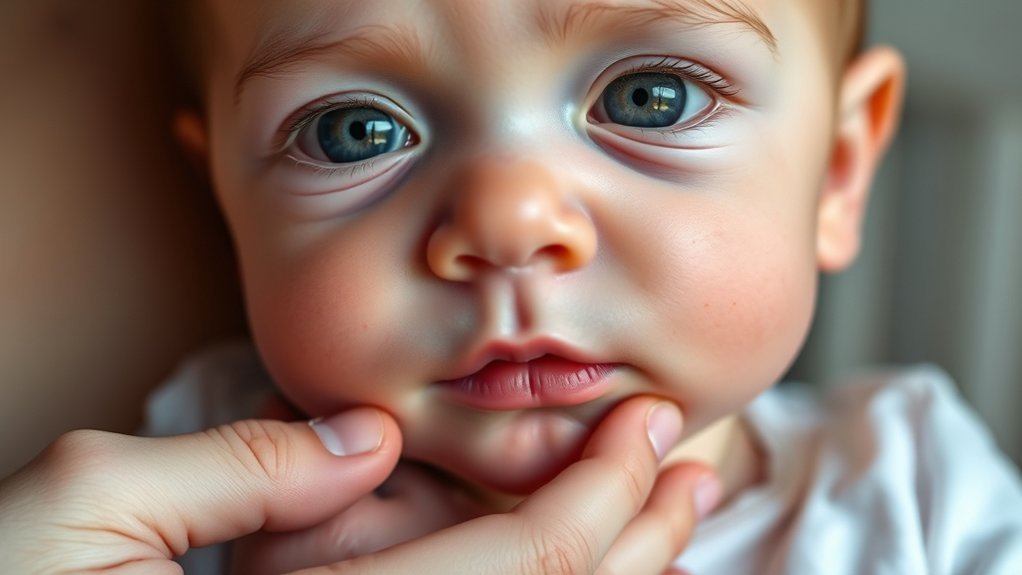
As a parent, encountering baby acne can be concerning, but it’s important to understand that this common condition is typically harmless. You might notice small red or white bumps on your infant’s skin, often appearing in the first few weeks of life. Knowing the causes and what to expect can help ease your worries. Let’s explore the factors behind baby acne and what you can do to support your little one’s skin health.
Understanding Baby Acne: What Is It?
Baby acne, often a source of concern for new parents, is a common condition affecting infants, typically appearing within the first few weeks of life. This benign skin condition manifests as small red or white bumps, primarily on the cheeks, forehead, and chin. It is crucial to understand that baby acne is not caused by poor hygiene or allergies. Instead, it results from the baby’s immature skin and can be exacerbated by maternal hormones lingering in the infant’s system. You might notice it clearing up on its own within a few weeks or months. While it’s natural to worry, rest assured that baby acne is generally harmless and doesn’t require extensive treatment. Just keep your baby’s skin clean and avoid harsh products.
Causes of Baby Acne: Why Does It Happen?
Although it might be alarming to see your newborn develop acne-like bumps, understanding the causes can help ease your concerns. Baby acne is typically harmless and often resolves on its own. Here are some common causes:
It’s natural to worry about baby acne, but it’s usually harmless and resolves by itself. Understanding its causes can provide comfort.
- Hormonal changes: Maternal hormones can trigger oil production in your baby’s skin.
- Overactive oil glands: Infants’ skin may produce excess sebum, leading to clogged pores.
- Irritation: Friction from clothing or blankets can irritate delicate skin, contributing to breakouts.
- Bacterial presence: The skin’s natural bacteria can sometimes lead to localized inflammation.
Recognizing these factors can provide reassurance that baby acne is a normal part of development, and it usually doesn’t require treatment.
Symptoms and Appearance: Identifying Baby Acne
Identifying baby acne involves recognizing specific symptoms and the appearance of the affected skin. You’ll notice small, red bumps or pustules primarily on your baby’s cheeks, forehead, and chin. These may appear similar to teenage acne but are often milder in presentation. The lesions can be flat or raised, and they typically don’t cause your baby any discomfort. It’s important to differentiate baby acne from other skin conditions, such as eczema or milia, which have distinct characteristics. Keep an eye on the timing, as baby acne generally appears within the first few weeks of life and may last several months. Remember, it’s common and usually clears up on its own, offering reassurance during this phase.
Treatment and Care: How to Manage Baby Acne
When managing baby acne, it is essential to approach the condition with care and understanding. Most cases resolve on their own, but here are some effective ways to support your baby’s skin:
- Keep the affected area clean by gently washing with mild soap.
- Avoid using lotions or creams, as they can irritate the skin further.
- Limit exposure to irritants, such as harsh fabrics or excessive heat.
- Be patient and give the acne time to clear up naturally.
When to Seek Medical Advice: Knowing the Right Time to Consult a Doctor
While most cases of baby acne resolve on their own, there are times when it’s important to consult a doctor. If you notice that the acne is worsening, spreading, or persists beyond a few weeks, it’s wise to seek professional advice. Additionally, if your baby appears to be in discomfort, has a fever, or shows signs of infection—such as swelling or pus—it’s essential to get medical attention. These symptoms could indicate a more serious condition that requires treatment. Remember, your pediatrician is a valuable resource, and discussing your concerns can provide reassurance and guidance. Trust your instincts; if something feels off, don’t hesitate to reach out for help. Your baby’s health and comfort are your top priorities.
Frequently Asked Questions
Can Baby Acne Affect Breastfeeding or Bottle-Feeding?
Baby acne doesn’t affect breastfeeding or bottle-feeding. It’s a common condition that resolves on its own. Focus on feeding your baby as usual, and consult your pediatrician if you have concerns about their skin.
Is There a Connection Between Baby Acne and Allergies?
There isn’t a direct connection between baby acne and allergies. Instead, baby acne typically stems from hormonal changes. However, if you notice unusual symptoms, consulting your pediatrician will help guarantee your baby’s well-being.
Will Baby Acne Leave Permanent Scars?
No, baby acne typically doesn’t leave permanent scars. Most cases resolve on their own, but keeping your baby’s skin clean and avoiding harsh products can help prevent irritation and promote healing during this time.
Can Baby Acne Occur in Newborns?
Yes, baby acne can occur in newborns. It’s quite common and usually appears within the first few weeks of life. Don’t worry—this condition is temporary and typically resolves on its own without treatment.
Are There Any Home Remedies for Baby Acne?
When it comes to baby acne, “an ounce of prevention is worth a pound of cure.” Keep your baby’s face clean, avoid harsh products, and let the acne resolve naturally. Consult your pediatrician if concerns arise.
Conclusion
In conclusion, baby acne is a common and temporary condition that usually resolves on its own. While it may be concerning, understanding its nature can help ease your worries. Keep your baby’s skin clean and avoid irritants, and remember, you’re not alone in this. If the acne worsens or lingers, don’t hesitate to reach out to your pediatrician for guidance. After all, a stitch in time saves nine, and early intervention can provide peace of mind.
