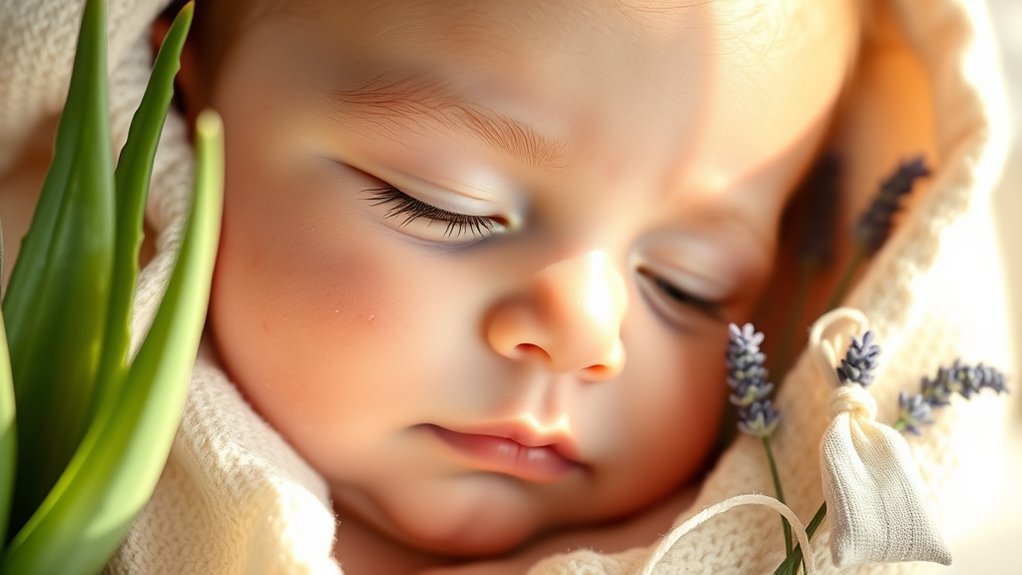
If you’re noticing small red bumps on your baby’s face, it could be baby acne. It’s common and usually harmless, but knowing how to prevent it can ease your concerns. Maintaining a gentle skincare routine is essential, as is choosing the right products. Let’s explore effective strategies to keep your baby’s skin clear and healthy while minimizing irritants in their environment. Understanding these factors can make a significant difference in your baby’s comfort.
Understanding Baby Acne: Causes and Symptoms
When you notice small red or white bumps on your baby’s face, it’s natural to feel concerned, but understanding baby acne can help ease your worries. This common condition typically affects infants within the first few weeks of life. Baby acne often occurs due to hormonal changes inherited from you, stimulating oil production in your baby’s skin. You’ll usually see these bumps on the cheeks, forehead, and chin, and they can sometimes appear inflamed. Fortunately, baby acne isn’t harmful and often resolves on its own within a few months. It’s important to avoid harsh treatments or products that could irritate your baby’s delicate skin. Remember, patience is key as your baby’s skin matures and clears up naturally.
Keeping Your Baby’s Skin Clean
Maintaining your baby’s skin cleanliness is essential for preventing irritation and promoting healthy skin. Regularly cleanse your baby’s face with lukewarm water and a soft washcloth, ensuring you gently remove any milk, saliva, or sweat that can contribute to clogged pores. Avoid using harsh soaps or scrubs, as they can irritate delicate skin. Instead, focus on simple, gentle techniques.
After cleansing, pat the skin dry with a soft towel, being careful not to rub. Keep your baby’s environment clean, washing bedding and clothing frequently to minimize irritants. Also, be mindful of your baby’s hair products, as they can transfer onto the skin. By prioritizing cleanliness, you’re taking a crucial step in maintaining your baby’s skin health and preventing acne flare-ups.
Choosing the Right Skincare Products
Choosing the right skincare products for your baby can be challenging, especially given the myriad of options available. Start by opting for fragrance-free, hypoallergenic products specifically formulated for infants. These formulas are less likely to irritate your baby’s sensitive skin. Look for gentle cleansers that won’t strip natural oils, helping maintain a healthy skin barrier. When considering moisturizers, choose those with natural ingredients like aloe vera or shea butter to soothe and hydrate. Avoid products containing alcohol, parabens, or harsh chemicals, as these can exacerbate skin issues. Always perform a patch test before full application to check for any adverse reactions. Your baby’s comfort and skin health should always be your top priority when selecting skincare products.
Maintaining a Healthy Environment
Creating a healthy environment for your baby is essential in preventing acne and other skin issues. Ensuring your baby’s surroundings are clean and free from irritants can greatly impact their skin health. Regularly wash bedding and clothing with gentle, fragrance-free detergents. Keep the room temperature comfortable and well-ventilated to avoid overheating, which can trigger breakouts.
| Action | Importance | Frequency |
|---|---|---|
| Clean surfaces | Reduces irritants | Daily |
| Change bedding | Minimizes allergens | Weekly |
| Maintain humidity | Prevents skin dryness | As needed |
When to Consult a Pediatrician
Wondering when to consult a pediatrician about your baby’s acne? It’s important to know when professional advice is necessary. While baby acne is common and usually harmless, there are certain situations where a pediatrician’s expertise is essential. Keep an eye out for these signs:
Consult a pediatrician if your baby’s acne shows concerning signs or persists beyond a few months for expert guidance.
- Acne persists beyond a few months
- The rash appears red, swollen, or painful
- Your baby develops fever or other concerning symptoms
- The acne spreads to other areas like the body or scalp
- You notice unusual changes in your baby’s skin
If any of these issues arise, don’t hesitate to reach out. Early intervention can provide peace of mind and guarantee your baby’s skin health is properly addressed.
Frequently Asked Questions
Can Baby Acne Be Mistaken for Other Skin Conditions?
Yes, baby acne can be mistaken for other skin conditions like eczema or milia. If you’re unsure, it’s best to consult your pediatrician for an accurate diagnosis and appropriate treatment options tailored to your baby’s needs.
Does Baby Acne Affect Breastfeeding?
Baby acne doesn’t affect breastfeeding. It’s like tiny clouds passing through a sunny sky; they might seem concerning, but they won’t disrupt your bonding experience. Continue nursing, and enjoy those precious moments with your little one.
Is Baby Acne More Common in Certain Seasons?
Yes, baby acne can be more common in certain seasons, particularly during warmer months when heat and humidity may exacerbate skin conditions. Keeping your baby’s skin cool and clean can help minimize breakouts.
Can Diet Influence Baby Acne Development?
Absolutely, diet can influence baby acne development. While it’s not the sole factor, certain foods might exacerbate skin issues. You should focus on a balanced diet, ensuring your baby receives essential nutrients for healthy skin.
Will Baby Acne Leave Permanent Scars?
No, baby acne typically doesn’t leave permanent scars. Most cases resolve on their own, but gently caring for your baby’s skin can help avoid irritation and promote healing. Always consult a pediatrician for personalized advice.
Conclusion
In your quest to protect your baby’s delicate skin from acne, think of it as nurturing a fragile flower. By following gentle cleansing routines, selecting appropriate skincare products, and ensuring a clean environment, you’re creating an oasis for your child’s skin to thrive. Stay vigilant, like a gardener watching for weeds, and consult a pediatrician if any concerns arise. With your attentive care, you can help your baby’s skin bloom beautifully, free from irritation and discomfort.
