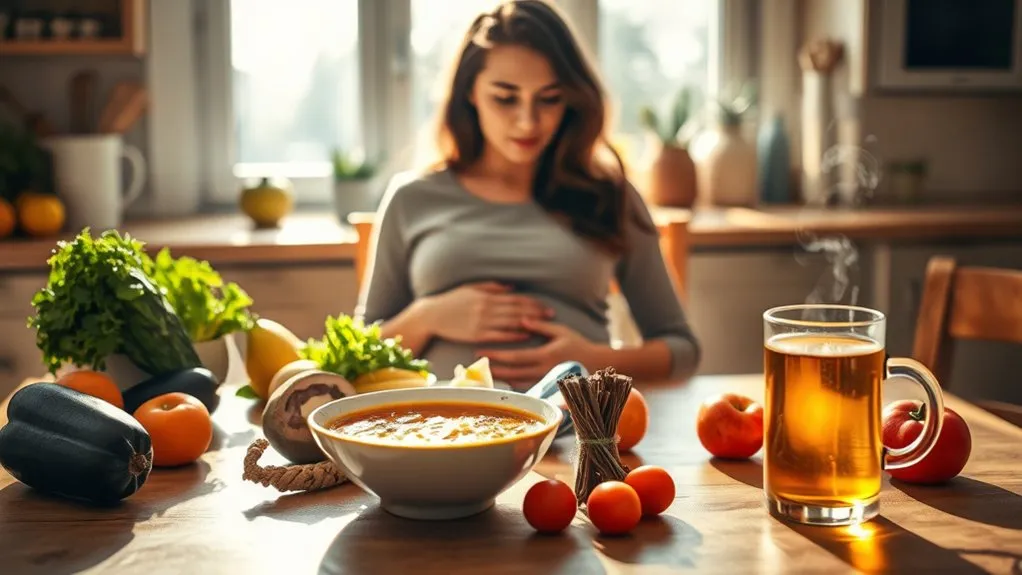
Picky eating during pregnancy can appear suddenly, even if you normally enjoy a wide range of foods. Nausea, stronger reactions to smells, changing tastes, and food aversions can make familiar meals difficult. The goal is not to force foods that make you sick, but to find safe, tolerable alternatives that still cover your nutritional needs.
Quick Answer
Most picky eating during pregnancy can be managed by replacing disliked foods with nutritionally similar options. Focus on foods you can tolerate, take your prenatal vitamin as directed, drink enough water, and use small meals if nausea is limiting intake. Contact your prenatal clinician if you cannot keep food or fluids down, are losing weight, or are becoming dehydrated.
Key Takeaways
- Food aversions are especially common early in pregnancy and may change as pregnancy progresses.
- You usually do not need to eat one specific food if you can replace the nutrients it supplied.
- Iron, folate, iodine, calcium, choline, vitamin D, and other nutrients deserve extra attention when your diet becomes limited.
- Cold, bland, low-odor foods and smaller meals may be easier to tolerate when nausea drives your food choices.
- Severe vomiting, dehydration, weight loss, or an inability to eat or drink needs medical attention.
Understanding Picky Eating in Pregnancy
Picky eating in pregnancy often means developing a strong dislike of foods you previously enjoyed or having a much smaller group of foods that feel tolerable. This is different from simply preferring one meal over another: the sight, smell, taste, or texture of an aversive food may trigger nausea or gagging.
Food aversions are common, particularly in the first trimester. Government-backed pregnancy food-aversion guidance notes that hormonal changes, nausea, and increased sensitivity to smell or taste may contribute, although the exact cause is not fully understood.
You do not usually need to force yourself to eat a particular food. Instead, identify what nutrient or food group it normally provides and choose another pregnancy-safe source that you tolerate.
Hormonal Changes and Their Impact on Taste
Pregnancy can change how food smells and tastes, but there is no single proven explanation for every craving or aversion. Hormonal and sensory changes appear to contribute, particularly during early pregnancy when nausea is also common.
Taste Bud Alterations
You may notice that a familiar food suddenly tastes unusually strong, bitter, sweet, metallic, or simply “wrong.” Strong cooking smells may also become difficult to tolerate even when the finished food itself seems acceptable.
Instead of treating this as something you need to overcome immediately, change the way you serve the food. A cold sandwich may be easier than hot meat, roasted vegetables may be easier than boiled ones, or a smoothie may make fruit or dairy easier to tolerate.
Cravings and Aversions
Cravings and aversions can happen together, but a craving does not automatically mean that your body is deficient in a particular nutrient. Likewise, disliking one nutritious food does not mean your pregnancy diet is inadequate if you replace what that food supplied.
If meat becomes unappealing, for example, other protein choices may include eggs, beans, lentils, tofu, yogurt, nuts, seeds, or pregnancy-safe fish. If dairy is difficult, fortified alternatives may help provide nutrients such as calcium and vitamin D.
Impact on Nutrition
The nutritional impact depends on how restricted your diet becomes. Avoiding one or two foods usually matters less than avoiding an entire food group for weeks while having no suitable replacement.
ACOG’s healthy-eating guidance for pregnancy recommends a varied diet that includes grains, fruits, vegetables, protein foods, and dairy or suitable alternatives. A prenatal vitamin can help cover some gaps, but it does not make food variety irrelevant.
Common Food Aversion Triggers
Smell, texture, richness, temperature, and appearance can all affect whether a food feels tolerable. Strong-smelling, fatty, spicy, or hot foods are common problems when food aversions occur alongside pregnancy nausea.
Hormonal Changes Impacting Taste
Changes in smell and taste may make previously mild foods seem overpowering. Rather than repeatedly testing a food that triggers nausea, try a nutritionally similar option with a different smell, temperature, texture, or preparation method.
- Strong flavors: Choose milder seasoning if garlic, spices, or rich sauces are difficult.
- Textures: Switch between crunchy, smooth, soft, or blended versions of similar foods.
- Smells: Cold foods often release less aroma than steaming foods.
- Rich foods: Try simpler meals if greasy or heavy dishes make nausea worse.
Sensory Sensitivities in Pregnancy
A practical way to handle sensory triggers is to identify exactly what bothers you. Knowing whether the problem is smell, texture, richness, appearance, or temperature gives you more options than simply removing the food from your diet.
Here’s a quick reference table of common food aversion triggers during pregnancy:
| Trigger | Description |
|---|---|
| Strong Smells | Cooking odors or strongly scented foods may trigger nausea |
| Textures | Slimy, gritty, chewy, or very soft textures may feel unpleasant |
| High-fat Foods | Greasy or heavy meals may be harder to tolerate during nausea |
| Spicy Foods | Strong seasoning may feel overwhelming when tastes are more sensitive |
| Food Appearance | Seeing an aversive food can sometimes trigger the same response as smelling or tasting it |
Nutritional Risks Associated With Picky Eating
A limited diet can become a concern if it repeatedly leaves out major nutrient sources. Pregnancy increases the importance of several vitamins and minerals, so substitutions should be based on what nutrients are being lost rather than on the food itself.
The NIH Office of Dietary Supplements pregnancy guidance lists the following daily targets for pregnant adults ages 19–50:
| Nutrient | Daily Pregnancy Target | Possible Food Sources |
|---|---|---|
| Folate | 600 mcg DFE | Fortified grains, beans, leafy greens, peanuts |
| Iron | 27 mg | Meat, poultry, beans, peas, iron-fortified cereals |
| Calcium | 1,000 mg | Milk, yogurt, cheese, fortified alternatives, some leafy vegetables |
| Iodine | 220 mcg | Iodized salt, dairy, seafood, eggs |
| Choline | 450 mg | Eggs, meat, fish, dairy, soybeans, nuts and seeds |
| Vitamin D | 15 mcg (600 IU) | Fortified milk or alternatives and fatty fish |
These figures are targets for total daily intake, not instructions to buy separate supplements. Your prenatal supplement and diet should be considered together, because prenatal formulas vary and some contain little or no choline or calcium.
Strategies to Expand Your Diet
You do not need to transform your diet overnight. With picky eating during pregnancy, the most useful strategy is often to protect your current intake first, then gradually add variety as nausea and aversions allow.
Gradual Food Exposure
Try a disliked food again only when the idea feels manageable. Pregnancy-related aversions can change, so a food that was impossible to tolerate several weeks ago may become acceptable later.
- Start small: Put a bite or two beside a familiar meal rather than serving a full portion.
- Change the preparation: Try a food cold, roasted, blended, toasted, or mixed into another dish.
- Pair it with something familiar: A tolerated sauce, grain, bread, or fruit can make a new food less intimidating.
- Do not force repeated exposure during nausea: Creating another unpleasant experience may make the aversion stronger.
Creative Meal Combinations
Build meals around foods that already work and add nutrition without dramatically changing their smell or texture. For example, add nut butter to oatmeal, yogurt to fruit, beans to a tolerated rice dish, or spinach to a smoothie if those combinations appeal to you.
Think in terms of substitutions rather than “good” and “bad” foods. If one protein, vegetable, or dairy food is impossible right now, another member of that food group may provide many of the same nutrients.
Incorporating Nutrient-Dense Foods
Nutrient-dense foods provide useful amounts of vitamins, minerals, protein, or healthy fats without requiring a very large serving. This can be helpful when your appetite is small or only a few foods feel acceptable.
- Leafy greens: Add small amounts to eggs, soups, pasta, or smoothies if the taste is easier to tolerate when mixed.
- Fruit: Fresh, chilled, frozen, or blended fruit can provide vitamins, fiber, and fluid.
- Nuts, seeds, and nut or seed butters: These can add protein, energy, and healthy fats in a small portion.
- Beans and lentils: Useful alternatives when meat is an aversion.
- Eggs and dairy foods: If tolerated, they can supply protein and several pregnancy-relevant nutrients.
- Whole grains and fortified cereals: These can provide energy, fiber, and selected vitamins and minerals.
Choose foods according to what you can safely tolerate. There is no advantage in forcing a highly nutritious food if it repeatedly causes vomiting and prevents you from eating anything else.
The Role of Hydration in Pregnancy
Hydration deserves extra attention when nausea, vomiting, or reduced appetite limits your intake. ACOG recommends 8–12 cups, or 64–96 ounces, of water per day during pregnancy.
You may tolerate fluids better cold, over ice, or in small amounts throughout the day. If drinking a large glass with food makes you feel overly full, try spreading fluids between meals.
Here’s a practical look at hydration options:
| Drink | How It Helps | Practical Tip |
|---|---|---|
| Water | Your main everyday hydration source | Try it chilled or over ice if room-temperature water tastes unpleasant |
| Milk or Fortified Alternative | Provides fluid plus nutrients when tolerated | Choose pasteurized milk or an appropriate fortified alternative |
| Broth or Soup | Adds fluid and may be easier to sip when solid food is unappealing | Choose a mild flavor if strong smells trigger nausea |
Seeking Support From Healthcare Professionals
Ask for help when picky eating begins to affect hydration, weight, or your ability to meet basic nutritional needs. An obstetric clinician or registered dietitian can help distinguish ordinary pregnancy aversions from a problem that needs treatment.
ACOG’s guidance on nausea and vomiting in pregnancy recommends strategies such as small frequent meals, bland foods, avoiding an empty stomach, and ginger for some people. More severe nausea and vomiting may need medical treatment rather than additional dietary experimentation.
Note: Contact your prenatal healthcare professional if you cannot keep food or fluids down, are losing weight, have signs of dehydration such as dizziness or a very dry mouth, or your restricted diet makes it difficult to meet basic nutritional needs. Severe pregnancy vomiting can require treatment.
Your care team can also review your prenatal vitamin. Do not add separate iron, vitamin A, iodine, herbal, or other high-dose supplements simply because your diet has become limited unless your clinician recommends them.
Mindful Eating Practices
Mindful eating can help you notice which foods and situations actually trigger discomfort. The goal is not to ignore nausea or hunger signals, but to recognize patterns so you can plan around them.
Eat without rushing when possible. Notice whether temperature, smell, texture, portion size, or the time of day changes how well you tolerate a food. This information can make meal planning more practical than repeatedly trying foods that trigger the same reaction.
Also avoid treating every craving as a nutritional instruction. You can enjoy a pregnancy-safe craved food while still looking at the overall balance of your diet.
Tips for Enjoying Meal Prep and Planning
Meal planning becomes easier when it is based on foods you can realistically eat. Keep several tolerable choices available instead of planning one rigid meal that may suddenly become unappealing.
- Keep backup foods: Stock a few mild foods that usually work when nausea is worse.
- Reduce cooking smells: Use cold meals, leftovers served chilled when appropriate, ventilation, or help from someone else with cooking.
- Prepare small portions: A large plate may feel overwhelming when your appetite is low.
- Batch-cook tolerated meals: Freeze safe portions so you have an option when cooking smells are difficult.
- Plan by nutrient: Keep more than one protein, calcium, iron, fruit, and vegetable option available so an aversion does not leave a major gap.
Pregnancy also increases vulnerability to some foodborne infections. Follow the FDA’s pregnancy food-safety guidance: wash produce, separate raw foods from ready-to-eat foods, cook foods thoroughly, refrigerate perishables promptly, and avoid unpasteurized milk products and other higher-risk foods.
Frequently Asked Questions
Can picky eating affect my baby’s development during pregnancy?
Picky eating can become a concern if it leaves you consistently short of important nutrients or prevents adequate food and fluid intake. Avoiding one food is usually easier to manage because you can replace it with another source of the same nutrients. Discuss a very restricted diet, weight loss, or persistent vomiting with your prenatal clinician.
Are there safe supplements for pregnant women with picky eating?
A daily prenatal vitamin is commonly recommended during pregnancy, but individual products differ in their ingredients and amounts. Do not assume you need separate iron, calcium, iodine, omega-3, or other supplements because of a food aversion. Ask your prenatal clinician to review your diet and prenatal product before adding extra supplements.
Is it common to have food cravings during pregnancy?
Yes, food cravings are common during pregnancy. They can occur alongside food aversions, but a craving does not reliably tell you that your body lacks a specific nutrient. Enjoy pregnancy-safe craved foods in the context of your overall diet rather than using cravings alone to decide what nutrients you need.
Can stress increase picky eating tendencies during pregnancy?
Stress can make eating more difficult for some people, especially when nausea, fatigue, or a poor appetite is already present. However, it is not considered a proven single cause of pregnancy food aversions. If anxiety around food is making it hard to eat adequately, discuss it with your prenatal care team.
What should I eat if meat makes me sick during pregnancy?
You can replace meat with other protein foods you tolerate, such as beans, lentils, eggs, tofu, yogurt, nuts, seeds, or suitable fish. Because meat can also supply iron, vitamin B12, and other nutrients, review your overall diet with your prenatal clinician or dietitian if the aversion lasts for a long time.
When should food aversions during pregnancy worry me?
Food aversions need medical attention when they contribute to persistent vomiting, dehydration, weight loss, or an inability to eat or drink enough. You should also seek advice if your diet becomes extremely restricted or you develop cravings for non-food substances such as dirt, clay, chalk, or similar items.
Conclusion
Picky eating during pregnancy is often manageable when you focus on nutrient replacement rather than forcing individual foods. Build meals around foods you tolerate, keep up with your prenatal care and hydration, and retry aversive foods later if they become easier to handle. If your diet becomes very restricted or nausea interferes with eating and drinking, ask your prenatal clinician or a registered dietitian for individualized help.
Sources
- American College of Obstetricians and Gynecologists — Healthy Eating During Pregnancy: Healthy eating, food groups, prenatal nutrition, and nutrient guidance.
- NIH Office of Dietary Supplements — Dietary Supplements and Life Stages: Pregnancy: Pregnancy nutrient targets and prenatal supplement considerations.
- American College of Obstetricians and Gynecologists — Morning Sickness: Small meals, bland foods, ginger, hydration, and severe nausea guidance.
- American College of Obstetricians and Gynecologists — Water During Pregnancy: Recommended daily water intake during pregnancy.
- U.S. Food and Drug Administration — Food Safety for Moms-to-Be: Food handling and pregnancy-specific food-safety precautions.
- Pregnancy, Birth and Baby — Appetite Changes and Food Aversions: Food-aversion causes, timing, triggers, and practical management.