Disclosure: As an Amazon Associate, we earn from qualifying purchases. If you buy through links on this page, we may earn a small commission at no extra cost to you.
By Editorial Team | Updated October 9, 2026
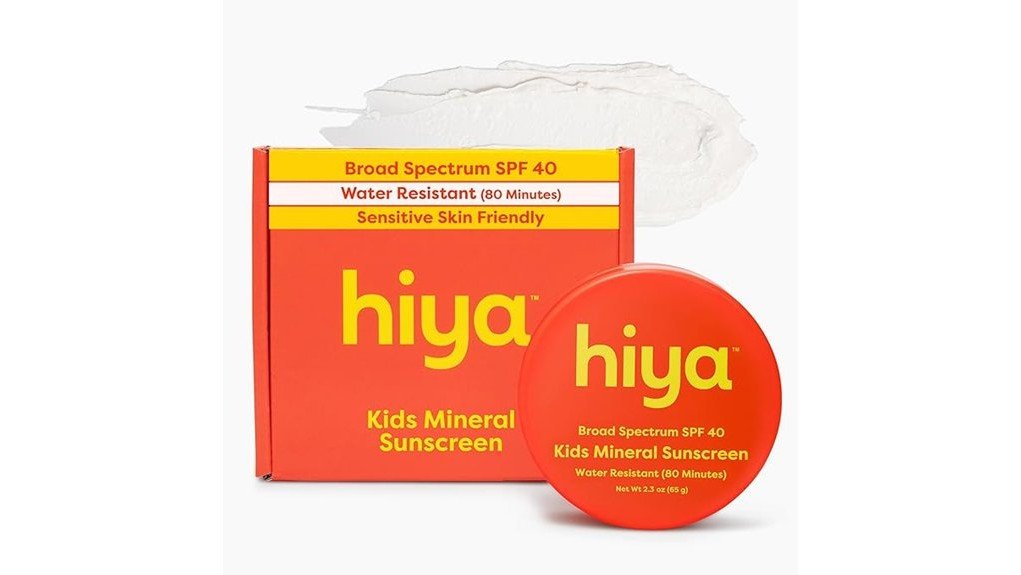
The Hiya SPF40 Kids Mineral Sunscreen offers broad-spectrum UVA and UVB protection with 20% zinc oxide. Designed for children ages 6 months and older, this solid sunscreen balm provides SPF 40 protection and up to 80 minutes of water resistance during swimming or sweating.
Its compact packaging and plant-based skin-conditioning ingredients make it appealing for family outings. However, its thick balm texture, sweet almond oil content, and need for regular reapplication deserve attention before you buy.
Quick Verdict: Is Hiya SPF40 Worth Buying?
Editorial assessment: 8.0/10 (Based on verified product information, not hands-on testing)
Best for: Families who prefer zinc-based sunscreen in a compact, solid format for outdoor activities.
Skip if: You want a thin, fast-spreading lotion, need to avoid sweet almond oil, or prefer a completely vegan formula.
Bottom line: Hiya offers a useful combination of mineral UV protection and water resistance. Its main trade-off is the extra care needed to apply a thick balm evenly.
Key Takeaways
- Verified mineral protection: Hiya uses 20% zinc oxide as its active sunscreen ingredient and carries an SPF 40 broad-spectrum claim.
- Water resistance: Its label specifies reapplication after 80 minutes of swimming or sweating, immediately after towel drying, or at least every two hours.
- Skin-conditioning ingredients: Calendula, sweet almond oil, vitamin E, jojoba esters, and plant-based squalane are included.
- Solid formula: This is a balm or paste rather than a traditional lotion. Warming it between your palms helps application.
- Important limitation: The manufacturer’s reef-safe and pediatrician-approved descriptions should not be confused with universal environmental certification or a guarantee against skin reactions.
Before You Buy
- Check for a sweet almond oil allergy. Hiya specifically identifies this ingredient as an allergy consideration.
- Expect a solid balm. It needs warming and careful spreading rather than a quick lotion-style application.
- Water resistance is not waterproofing. Reapply according to the product label.
- Verify the exact package contents and expiration information when ordering.
Article Contents
Why Choose Hiya SPF40 Kids Mineral Sunscreen?
Hiya SPF40 Kids Mineral Sunscreen stands out for combining single-active-ingredient mineral protection with a portable balm design. It uses zinc oxide rather than organic chemical UV filters and is intended for everyday outdoor sun protection.
The solid format can be convenient to carry in a beach bag or backpack. Unlike a squeeze bottle, the balm does not have a runny lotion texture.
Hiya also markets its sunscreen as pediatrician-approved and suitable for sensitive skin. Those are manufacturer claims, not proof that every child will tolerate the ingredients.
The 80-minute water-resistance label makes it a practical candidate for swimming lessons, playground visits, and beach trips, provided you follow the reapplication directions.
Hiya SPF40 Kids Mineral Sunscreen Specifications
The key specifications are supported by the product’s published labeling. The Amazon listing identifies the product as Hiya Kids Daily Sunscreen under ASIN B0FLGD7BXW.
| Feature | Details |
|---|---|
| Brand | Hiya Health |
| Product | Kids Daily Mineral Sunscreen |
| SPF | 40 |
| Active ingredient | Zinc oxide 20% |
| UV coverage | Broad-spectrum UVA and UVB |
| Water resistance | 80 minutes |
| Form | Solid balm or zinc oxide paste |
| Scent listing | Unscented |
| Age guidance | Ages 6 months and older; ask a doctor for younger infants |
| Amazon ASIN | B0FLGD7BXW |
What’s Included?
The Amazon listing describes a compact sunscreen balm and mentions color-changing UV stickers. These stickers can make sun-awareness activities more engaging for children, but they do not measure sunscreen coverage or replace timed reapplication.
Package contents can vary by seller or promotion, so confirm the exact included items before purchasing.
Who Should Buy It?
- Parents looking for a mineral sunscreen made for children.
- Families who prefer compact, solid products for travel.
- Caregivers seeking water-resistant sunscreen for outdoor play.
- Shoppers who favor zinc oxide over other types of sunscreen filters.
Who Should Skip It?
- Anyone needing to avoid sweet almond oil or another listed ingredient.
- Parents who prefer a lightweight lotion that spreads quickly over large areas.
- Families looking for a vegan product, since the formula contains beeswax.
- Buyers expecting a sunscreen that never requires reapplication.
Key Ingredients That Protect and Nourish
Hiya combines an established mineral UV filter with several botanical extracts and skin-conditioning ingredients. Each ingredient serves a different purpose in the formula.
20% Zinc Oxide
Zinc oxide is the sunscreen’s active ingredient. It contributes to broad-spectrum protection against UVA and UVB radiation.
UVA rays contribute to long-term skin damage, while UVB rays are strongly associated with sunburn. Broad-spectrum sunscreens help protect against both types when properly applied.
Calendula, Lemon Balm, and Plantain
Hiya includes calendula flower, lemon balm leaf, and plantain leaf extracts in sunflower seed oil. The brand promotes these botanical ingredients for their skin-conditioning qualities.
However, botanical extracts do not guarantee irritation-free use. Children with reactive skin may still experience sensitivity to individual ingredients.
Zinc oxide provides the labeled UV protection. The botanical extracts and oils contribute to the balm’s skin-care formula, but they do not replace its sunscreen active ingredient.
Sweet Almond Oil and Vitamin E
Sweet almond oil helps condition the skin, while mixed tocopherols, a form of vitamin E, provide antioxidant properties within the formulation.
The sunscreen also contains jojoba esters, plant-based squalane, and beeswax. These ingredients help create its solid texture and spreadable consistency.
Allergy caution: Hiya contains sweet almond oil. If your child has a tree-nut allergy, consult their healthcare professional before use. Do not assume that a botanical or mineral formula is automatically safe for every allergy.
How Effective Is Hiya’s Broad-Spectrum Protection?
Hiya’s SPF 40 and broad-spectrum labeling indicate that the product is designed to protect against sunburn and both major types of ultraviolet radiation. The 20% zinc oxide concentration is confirmed by its published Drug Facts.
Still, a sunscreen’s real-world performance depends on how much you apply, how evenly you cover the skin, and how often you reapply.
What Does SPF 40 Mean?
SPF primarily measures protection against UVB-related sunburn under standardized testing conditions. It is not a timer that tells you how long a child can safely remain in direct sunlight.
Even a high-SPF product cannot block every UV ray. Hats, sun-protective clothing, shade, and breaks from strong midday sunlight remain important.
Does the 80-Minute Water Resistance Work for Swimming?
The product is labeled water-resistant for 80 minutes. This means its sunscreen protection is tested under specified water-immersion conditions, not that it becomes waterproof.
According to the published Hiya Drug Facts, you should reapply after 80 minutes of swimming or sweating, immediately after towel drying, and at least every two hours.
Hiya SPF40 Kids Mineral Sunscreen: Pros and Cons
Hiya has several useful features, but there are trade-offs to its solid formula. Consider both sides before choosing it for your family.
Pros
- Broad-spectrum SPF 40 protection with 20% zinc oxide.
- 80-minute water-resistance labeling for swimming and sweating.
- Compact solid balm format for travel and outdoor activities.
- Contains botanical extracts and skin-conditioning oils.
Cons
- Solid balm may take longer to spread than a lotion.
- Contains sweet almond oil, which requires allergy consideration.
- Mineral formulas may leave a visible white cast on some skin tones.
- Reef-safe marketing does not establish zero environmental impact.
Is Hiya Sunscreen Really Reef-Safe?
Hiya describes its sunscreen as reef-safe because it uses zinc oxide and excludes certain organic UV filters, including oxybenzone and octinoxate.
However, the term reef-safe is not an FDA-defined sunscreen standard. It should not be interpreted as proof that every ingredient is harmless to coral reefs or other aquatic organisms.
According to the National Oceanic and Atmospheric Administration, some sunscreen ingredients can affect marine organisms. Mineral sunscreen is generally considered an alternative worth evaluating, but environmental effects depend on the specific substances and exposure conditions.
| What We Can Confirm | What It Means |
|---|---|
| Uses zinc oxide as its UV filter | Mineral-based sun protection |
| No oxybenzone or octinoxate listed | Avoids those two UV filters |
| Marketed as reef-safe by Hiya | Not a guarantee of zero ecological impact |
For families concerned about marine environments, sunscreen is only one part of the decision. Sun-protective clothing can reduce the amount of sunscreen needed, while helping protect children’s skin.
How to Apply Hiya SPF40 Kids Mineral Sunscreen
Hiya is a solid balm, so its application differs slightly from a regular sunscreen lotion. Warming the product first can make it easier to spread.
- Prepare the skin: Make sure the areas you plan to protect are clean and accessible.
- Warm the balm: Take a suitable amount and warm it between your palms, as the Amazon listing recommends.
- Apply generously: Spread an even, visible layer over all exposed skin, including ears, neck, hands, and tops of feet.
- Allow time before going outside: Follow the label direction to apply 15 minutes before sun exposure.
- Reapply correctly: Apply again after 80 minutes of swimming or sweating, immediately after towel drying, and at least every two hours.
Use enough product to cover every exposed area. A thin layer that looks neat but leaves gaps can reduce the protection your child receives.
The FDA’s sunscreen guidance also recommends limiting strong sun exposure and using protective clothing, sunglasses, and hats.
Best Uses for Hiya Kids Mineral Sunscreen
Beach and Pool Days
Hiya’s 80-minute water-resistance rating makes it suitable for consideration during swimming and other water activities. Keep track of water exposure and reapply immediately after towel drying, even if 80 minutes have not passed.
Playgrounds and Outdoor Sports
Its compact container can fit into a day bag. The mineral formula is useful for families who prefer zinc-based protection, but children who sweat heavily still need timely reapplication.
Everyday Walks and Family Outings
The balm can work for uncovered skin during walks, park visits, and outdoor errands. Its solid texture may be convenient for targeted application, though covering larger areas may require more effort than using a lotion.
Parent Reviews and Where to Buy
Hiya SPF40 Kids Mineral Sunscreen has attracted interest from parents looking for a mineral sunscreen that is convenient to carry.
On Hiya’s website, some product-specific verified buyers describe the sunscreen as easy to carry and useful for applying to a child’s face. Another reviewer reports that the balm blends without leaving noticeable residue.
These experiences are encouraging, but they are individual accounts rather than controlled tests. Hiya’s broader review collection also includes other products from the brand, so its overall review totals should not be treated as sunscreen-only feedback.
Common Considerations Before Purchasing
- Texture: The balm is thicker than a typical lotion and may need extra spreading.
- White cast: Hiya claims minimal or no white residue, but results can vary with application and skin tone.
- Skin tolerance: Its botanical ingredients and sweet almond oil may not suit everyone.
- Convenience: Solid packaging can be useful for travel, but caregivers still need to apply enough sunscreen.
The reviewed product is listed on Amazon under ASIN B0FLGD7BXW. Review the current product images, package details, delivery options, and seller information before placing an order.
Hiya SPF40 vs. Other Kids’ Mineral Sunscreens
Hiya is not the only mineral sunscreen designed for children’s outdoor activities. Blue Lizard Kids and Badger Kids are two alternatives with published SPF and water-resistance specifications.
| Sunscreen | SPF | Water Resistance | Main Difference |
|---|---|---|---|
| Hiya Kids Mineral Sunscreen | 40 | 80 minutes | Solid zinc oxide balm |
| Blue Lizard Kids Mineral Lotion | 50 | 80 minutes | Lotion with zinc oxide and titanium dioxide |
| Badger Kids Mineral Sunscreen Cream | 40 | 80 minutes | Zinc-based cream with a scented botanical formula |
Hiya vs. Blue Lizard Kids SPF 50
Blue Lizard Kids Mineral SPF 50 is a lotion containing zinc oxide and titanium dioxide. It offers a higher labeled SPF and the same 80-minute water-resistance period. Choose it if you prefer a lotion or want SPF 50 rather than a solid balm.
Hiya vs. Badger Kids SPF 40
Badger Kids SPF 40 uses zinc oxide and has an 80-minute water-resistance claim. Its formula contains botanical ingredients that give it a tangerine-and-vanilla scent. Hiya may appeal more to shoppers who prefer an unscented listing and compact balm packaging.
All three require generous application and regular reapplication. The best choice depends on skin tolerance, formula preference, and how easily your family can apply the product correctly.
Is Hiya SPF40 Kids Mineral Sunscreen Worth the Price?
Hiya is worth considering if a solid, zinc-based sunscreen fits your family’s routine. Its SPF 40 protection and water-resistance labeling meet practical needs for everyday outdoor activities.
The biggest purchasing consideration is the balm format. If you value portability and are comfortable warming and spreading a paste, its design may be appealing. If you need to cover several children quickly, a lotion may be more convenient.
Compare the current price against the amount of sunscreen supplied, not just the package appearance. Also consider how frequently you will need to replenish it.
Review package size, seller details, and delivery options.
How We Evaluated Hiya Sunscreen
We evaluated Hiya SPF40 Kids Mineral Sunscreen using its published ingredient information, Drug Facts labeling, Amazon product description, manufacturer statements, and available product-specific customer feedback.
Our assessment also considers FDA sunscreen guidance and the limitations of environmental marketing claims. We did not perform independent SPF testing, water-resistance testing, ingredient analysis, or hands-on application trials.
The editorial score reflects the product’s documented features and practical limitations. It is not a laboratory performance rating.
Frequently Asked Questions
Is Hiya Sunscreen Suitable for Sensitive Skin Types?
Hiya is marketed for sensitive skin and uses zinc oxide as its only active sunscreen ingredient. However, it contains botanical extracts and sweet almond oil, which may cause reactions in some individuals. Review the full ingredient list and consult a healthcare professional if your child has allergies or a history of significant skin reactions.
Can Hiya Sunscreen Be Used on Infants?
Hiya is intended for children ages 6 months and older. For infants younger than 6 months, its label says to ask a doctor before use. The FDA recommends keeping young infants out of direct sunlight and relying primarily on shade and protective clothing. Follow your pediatrician’s advice for your baby’s specific needs.
How Should Hiya Sunscreen Be Applied for Best Results?
Warm a suitable amount of the solid balm between your palms and spread it generously over exposed skin. Apply 15 minutes before sun exposure, following the product directions. Reapply at least every two hours, after 80 minutes of swimming or sweating, and immediately after towel drying. Do not leave gaps or use an excessively thin layer.
What Is the Shelf Life of Hiya Sunscreen?
Check the expiration date printed on your specific Hiya sunscreen package. If a sunscreen has no expiration date, FDA guidance says it should be considered expired three years after purchase. Keep the container away from excessive heat and direct sunlight. Do not use expired sunscreen or a product whose age you cannot determine.
Does Hiya Sunscreen Leave a White Residue on the Skin?
Hiya claims its mineral sunscreen blends without a noticeable white cast. However, zinc oxide formulas can leave a visible residue depending on skin tone, application amount, and blending. Warming the balm before spreading may help improve its appearance. Do not remove necessary sunscreen simply to eliminate a visible white layer.
Is Hiya Sunscreen Completely Reef-Safe?
Hiya describes its sunscreen as reef-safe because it uses zinc oxide and does not list oxybenzone or octinoxate. However, reef-safe is not an FDA-defined sunscreen term, and no sunscreen should be assumed to have zero environmental impact. Consider protective swimwear to reduce the amount of sunscreen that may enter the water.
How Long Does Hiya Sunscreen Last in Water?
Hiya is labeled water-resistant for 80 minutes of swimming or sweating. This does not mean it is waterproof or provides unlimited protection. Reapply immediately after towel drying, after 80 minutes in the water, and at least every two hours during general sun exposure. Follow whichever reapplication condition occurs first.
Does Hiya Sunscreen Contain Nut Oil?
Yes. Hiya Kids Mineral Sunscreen contains sweet almond oil, according to its published ingredient list. The brand also identifies this ingredient as an allergy consideration. If your child has a tree-nut allergy, ask a qualified healthcare professional before applying it. A mineral-based formula does not automatically mean it is appropriate for every allergy.
Bottom Line: Should You Buy Hiya SPF40 Kids Mineral Sunscreen?
Hiya SPF40 Kids Mineral Sunscreen is a practical option for families seeking mineral sun protection in a portable balm. Its verified SPF 40 rating, 20% zinc oxide, and 80-minute water resistance are its strongest features.
The main limitations are its thick texture, sweet almond oil content, and the uncertainty behind broad reef-safe marketing claims. Parents should also remember that sunscreen must be reapplied and combined with shade and protective clothing.
If you prefer a solid mineral formula and are comfortable applying it carefully, Hiya is worth comparing with other children’s sunscreens before buying.
Ready to Compare Your Options?
Review Hiya’s current Amazon listing, package contents, and purchase details.