Disclosure: As an Amazon Associate, we earn from qualifying purchases. If you buy through links on this page, we may earn a small commission at no extra cost to you.
By Editorial Team | Updated October 8, 2026
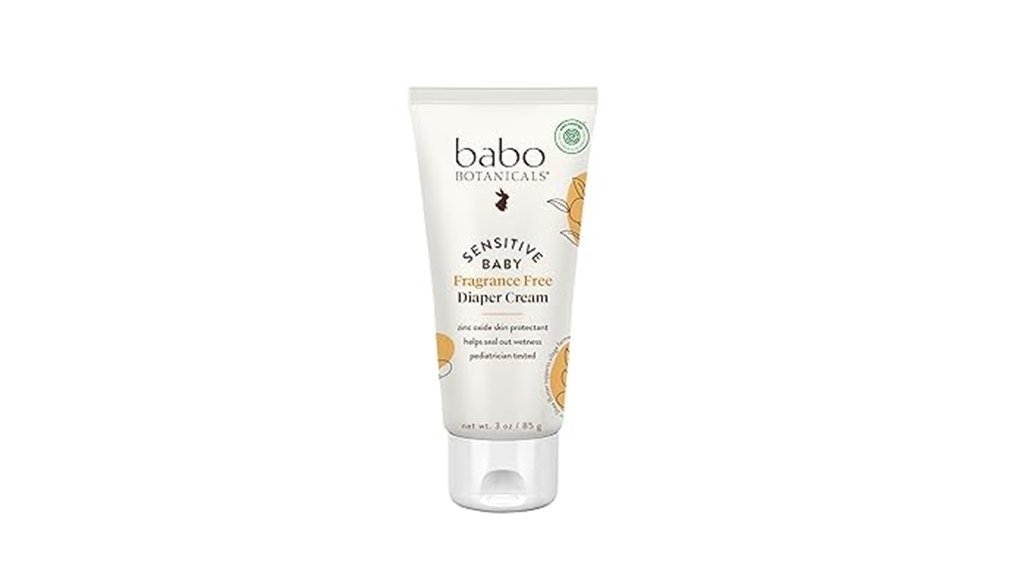
Babo Botanicals Diaper Cream is a fragrance-free diaper rash treatment made with 25% zinc oxide, shea butter, calendula, and other plant-based ingredients. It helps create a protective barrier against wetness and irritation. The manufacturer also describes the formula as vegan, pediatrician-tested, and suitable for babies from birth.
Its strongest selling points are the high zinc oxide content, EWG Verified status, and lack of added fragrance. However, its thick consistency can make the tube difficult to squeeze, and its botanical ingredients may not suit every child. This review explains what the cream does well, where it falls short, and whether it is worth buying.
Quick Verdict: Babo Botanicals Diaper Cream
Editorial Rating: 8/10
Editorial assessment based on verified product specifications, formulation, manufacturer guidance, and available owner feedback. Not a hands-on laboratory test.
Fragrance-Free
EWG Verified
Vegan
3 oz / 85 g
Newborn Suitable
Best for: Parents wanting a fragrance-free zinc oxide barrier cream with plant-based supporting ingredients.
Skip if: You prefer a lightweight cream, need a product without botanical extracts, or want a tube that dispenses with very little effort.
Bottom line: A solid choice for everyday diaper rash protection, with a strong barrier formula and clear ingredient disclosure. The thick texture and dispensing difficulty are its biggest practical drawbacks.
Before You Buy
- Check the version: This review covers the 25% zinc oxide cream, not the separate spray formula.
- Expect a thick paste: The manufacturer recommends warming and kneading the tube between your hands when dispensing becomes difficult.
- Check fabric care: The brand calls the formula cloth-diaper-friendly, but zinc oxide and oils can leave visible residue on some fabrics.
- Check for sensitivities: Fragrance-free does not mean allergy-proof. The formula contains several botanical extracts and plant oils.
Jump to Review Sections
- Key Takeaways
- Specifications and Package Contents
- What the Cream Does
- Why 25% Zinc Oxide Matters
- Sensitive Skin Ingredients
- Texture and Packaging
- Cloth Diaper Compatibility
- Who Should Buy It
- Pros and Cons
- Best Uses
- How to Apply It
- Owner Feedback
- Alternatives
- Is It Worth the Price?
- How We Evaluated It
- Frequently Asked Questions
- Final Verdict
Key Takeaways
- Babo Botanicals Sensitive Baby Zinc Diaper Rash Cream contains 25% zinc oxide, its active skin-protecting ingredient.
- Its fragrance-free formula includes shea butter, calendula, chamomile, coconut oil, and cocoa butter.
- The product is EWG Verified, vegan, cruelty-free, and pediatrician-tested according to the manufacturer.
- Babo describes the formula as cloth-diaper-friendly, although fabric staining and residue are still possible.
- Some owners praise the protective texture but report that the thick cream can be difficult to squeeze from its tube.
- It is designed for diaper rash prevention and treatment, not for treating every cause of a persistent diaper-area rash.
Babo Botanicals Diaper Cream Specifications
Babo Botanicals Sensitive Baby Zinc Diaper Rash Cream is a mineral-based skin protectant. Its active ingredient is zinc oxide, while the remaining ingredients support the cream’s texture and application.
| Specification | Details |
|---|---|
| Product name | Sensitive Baby Zinc Diaper Rash Cream |
| Brand | Babo Botanicals |
| Active ingredient | Zinc Oxide 25% |
| Reviewed package size | 3 oz / 85 g |
| Product type | Diaper rash barrier cream |
| Fragrance | No added fragrance or essential oils |
| Notable inactive ingredients | Shea butter, calendula, chamomile, coconut oil, cocoa butter, and sunflower oil |
| EWG Verified | Yes |
| Vegan | Yes, manufacturer-stated |
| Recommended age | From birth onward, according to the manufacturer |
| Cloth diapers | Manufacturer describes the formula as compatible |
| Amazon ASIN | B07569JMSZ |
What’s in the Package?
The reviewed product is a 3-ounce tube of diaper rash cream. No applicator, brush, or other accessory is specified as included with this tube.
Babo Botanicals also shows a larger packaging option on its website. Confirm the package size and format on the retailer’s listing before purchasing.
What Babo Botanicals Diaper Cream Does
Babo Botanicals Diaper Cream helps treat and prevent ordinary diaper rash by covering the skin with a protective layer. This barrier reduces direct exposure to urine, stool, and moisture that can irritate the diaper area.
Its main function comes from zinc oxide. The surrounding oils, butters, and waxes help create a rich cream that stays on the skin instead of disappearing immediately after application.
A diaper cream works as a barrier between your baby’s skin and the moisture or irritants inside the diaper.
The product is intended for routine diaper changes, including periods when a baby may remain in a wet diaper longer, such as overnight.
However, even a good barrier cream cannot replace prompt diaper changes, gentle cleaning, and proper treatment when a rash has an infectious or allergic cause.
The American Academy of Pediatrics diaper rash guidance recommends zinc oxide or petrolatum barrier products and explains how to protect irritated skin without excessive rubbing.
Why 25% Zinc Oxide Matters
The cream contains 25% zinc oxide, a mineral skin protectant commonly used in diaper rash treatments. Zinc oxide creates a physical barrier that helps shield the skin from prolonged wetness and irritating diaper contents.
Because it remains on the skin’s surface, it provides protection without needing to penetrate deeply into the skin.
Is 25% Zinc Oxide Strong Enough?
For many everyday diaper rash situations, a 25% zinc oxide formula provides substantial barrier coverage. It sits above some common daily-use creams in zinc concentration but below maximum-strength 40% formulas.
However, a higher percentage does not automatically mean better results for every baby. Application thickness, ingredient tolerance, cleaning habits, and the underlying cause of the rash all matter.
A cream with a lower zinc concentration may be adequate for mild irritation, while a thicker formula can be useful when wetness exposure is prolonged.
Does Zinc Oxide Heal Diaper Rash?
Zinc oxide supports healing mainly by protecting damaged skin from additional irritation. It allows the skin to recover while wetness and friction are reduced.
It does not directly treat yeast infections, bacterial infections, or every allergic reaction. A rash that keeps getting worse needs a different assessment rather than simply more barrier cream.
How Babo Botanicals Diaper Cream Supports Sensitive Skin
Alongside zinc oxide, the formula contains plant-derived oils, extracts, butters, and waxes. These ingredients help soften the skin and support a protective, spreadable texture.
The manufacturer’s published ingredient list does not include colloidal oatmeal. Its supporting ingredients include the following.
Shea Butter and Cocoa Butter
Shea butter and cocoa butter act as emollients, helping soften dry skin and maintain a rich protective layer.
They also contribute to the cream’s thickness. That can improve its ability to remain in place, although the same texture can make the product harder to dispense.
Calendula and Chamomile
Calendula flower extract and chamomile extract are included as botanical skin-conditioning ingredients.
Both are commonly found in gentle skin-care products. However, their presence does not mean this specific cream has been clinically proven to heal a rash faster than a plain zinc oxide treatment.
Coconut Oil and Sunflower Oil
Coconut oil and sunflower seed oil help condition the skin and form part of the cream’s emollient base.
These oils contribute to the overall texture, allowing the zinc oxide formula to spread over the diaper area.
What Does Fragrance-Free Really Mean?
Babo Botanicals states that this product contains no added fragrance or essential oils. That is useful if you want to avoid perfume in products applied to delicate skin.
The formula still contains botanical extracts, and these may have a natural ingredient smell. Fragrance-free also does not guarantee that an allergic reaction is impossible.
For a full ingredient breakdown, see the manufacturer’s current formula and usage information.
Texture, Spreadability, and Packaging
Babo Botanicals Diaper Cream has a rich, thick consistency rather than a watery lotion texture. This makes sense for a barrier cream designed to remain on the skin between diaper changes.
The texture has both advantages and disadvantages.
What Works Well
A thick cream can provide visible coverage, especially around areas exposed to moisture. Once applied, the protective coating is easy to identify.
This can make it practical for bedtime or routine prevention when a parent wants a noticeable barrier.
Where the Packaging Falls Short
Some owner reports describe difficulty squeezing the cream from its tube, particularly as the tube empties.
The manufacturer acknowledges that dispensing may become difficult. Its suggested solution is to knead the tube between your hands for about a minute to soften the cream.
Some customer reports also mention uneven texture or separation. These reports do not establish how often the issue occurs, but they are worth considering if you usually change diapers with one hand.
A larger jar format may be more convenient for parents who prefer using a diaper cream spatula. Confirm the exact product variant before ordering.
Is Babo Botanicals Diaper Cream Cloth Diaper Safe?
Yes, Babo Botanicals markets this cream as cloth-diaper-friendly. Its formula is designed for diaper care without the petrolatum found in some competing zinc oxide pastes.
Still, cloth-diaper compatibility does not mean every fabric will remain stain-free. Zinc oxide can leave light-colored marks, and oily barrier products may leave residue if diapers are not washed thoroughly.
How to Use It With Cloth Diapers
- Follow the diaper manufacturer’s guidance about barrier creams.
- Apply the amount needed for skin protection without spreading excess product over the diaper fabric.
- Consider a compatible liner if your diaper manufacturer recommends one.
- Wash diapers according to their fabric-care instructions.
- Watch for persistent residue, reduced absorbency, or leaks after washing.
Cloth-diaper care advice varies because fabrics and washing routines differ. The key concern is whether the product washes out sufficiently to preserve diaper performance.
If your baby has a significant rash, the American Academy of Pediatrics also notes that a highly absorbent disposable diaper may be useful temporarily while the skin heals.
Who This Diaper Cream Is Best For
Babo Botanicals Sensitive Baby Fragrance-Free Diaper Cream is best for parents who prioritize a substantial zinc oxide barrier, fragrance-free ingredients, and a vegan formulation.
It is especially relevant for families looking for regular diaper-area protection without added perfume.
Who Should Buy It?
- Parents of babies with easily irritated skin: The fragrance-free design removes one potential source of irritation.
- Parents wanting a substantial barrier: The 25% zinc oxide concentration provides a clear protective mechanism.
- Families using cloth diapers: The manufacturer identifies it as compatible, although fabric care still matters.
- Families prioritizing ingredient transparency: The EWG Verified status and published ingredient list make the formulation easier to evaluate.
- Parents seeking a vegan diaper cream: The manufacturer identifies the formula as vegan and cruelty-free.
Who Should Skip It?
- Parents who prefer a very light or easily dispensed cream.
- Babies with known sensitivities to one of its botanical ingredients.
- Caregivers who want a plain petrolatum barrier without a blend of plant extracts.
- Parents who need treatment for a suspected yeast infection or another medical cause of rash.
For persistent or worsening symptoms, choose a medical evaluation rather than switching between diaper creams without knowing the cause.
Babo Botanicals Diaper Cream Pros and Cons
The main strengths are the verified formulation and protective ingredients. The biggest drawbacks concern application convenience and the possibility of individual ingredient sensitivity.
Pros
- 25% zinc oxide provides a substantial protective barrier.
- Fragrance-free formula with no added essential oils.
- EWG Verified and manufacturer-stated vegan formula.
- Manufacturer identifies it as suitable from birth.
- Made with several plant-based emollients.
Cons
- Thick texture can make the tube difficult to squeeze.
- Botanical ingredients may trigger individual sensitivities.
- Zinc-based creams may leave residue on some cloth diapers.
- Not a treatment for yeast or bacterial diaper infections.
Best Uses for Babo Botanicals Diaper Cream
This cream is designed for diaper-area barrier protection. Its main uses involve managing moisture exposure and ordinary irritation rather than treating every possible skin condition.
Everyday Diaper Rash Prevention
If your baby’s diaper area becomes irritated easily, applying a barrier cream during changes can help limit contact with wetness.
The zinc oxide creates a protective layer while regular diaper changes reduce exposure to irritants.
Protection at Bedtime
The manufacturer specifically recommends use at bedtime or whenever exposure to a wet diaper may be prolonged.
Apply the cream to clean, dry skin and make sure the diaper fits comfortably without excessive tightness.
Mild Irritation and Redness
For ordinary moisture-related redness, the cream can help shield affected skin while it recovers.
Avoid rubbing irritated skin aggressively during cleaning or application. If the rash becomes more painful, spreads, or develops unusual symptoms, contact your pediatrician.
Routine Newborn Diaper Care
Babo states that the product is suitable from birth onward. This makes it an option for newborn diaper care when used as directed.
Newborn skin can still react to ingredients, so monitor the area carefully during initial use.
How to Apply Babo Botanicals Diaper Cream
Apply the cream to clean, dry skin and maintain a protective layer whenever needed. The manufacturer recommends generous application during diaper changes, particularly before bedtime.
- Remove the used diaper. Change wet or soiled diapers promptly to limit skin exposure to irritants.
- Clean the diaper area gently. Use lukewarm water or an appropriate gentle cleansing method. Avoid scrubbing sore skin.
- Allow the skin to dry. Pat gently or allow a short period of air drying before applying the cream.
- Soften the tube if necessary. Knead it between your hands for about a minute if the cream is difficult to dispense.
- Apply a generous protective layer. Cover areas likely to contact moisture, following the package directions.
- Put on a fresh diaper. Ensure the diaper is secure but not excessively tight.
- Reapply as needed. Maintain the barrier during subsequent changes, especially when wetness exposure may be prolonged.
Practical tip: If the existing diaper paste is clean, it generally does not need to be scrubbed off completely at every change. Gently remove soiled material and maintain the protective layer. This helps avoid unnecessary friction.
When Should You Stop Using It?
Stop using the cream if it causes worsening redness or irritation. The manufacturer advises contacting a physician if a reaction develops.
For first use, Babo recommends testing a small area and monitoring the skin for 24 hours before applying it more widely.
Safety warning: Seek medical advice if a diaper rash worsens or fails to improve after two to three days of care, or if the skin develops blisters, pus, sores, or other signs of infection. Fever with an infected-looking rash needs prompt assessment. This cream does not replace treatment for a fungal or bacterial infection.
What Owners Report About Babo Botanicals Diaper Cream
Available customer feedback provides useful information about everyday application. However, individual experiences cannot establish clinical effectiveness or predict how every baby will respond.
What Owners Like
- Protective coverage: Several reviewers describe a thick coating that stays on the skin.
- Routine rash care: Some parents report improvement in ordinary diaper redness after using the cream consistently.
- Fragrance-free design: Buyers seeking products without added perfume often identify this as a reason for choosing it.
- Ingredient preferences: Some reviewers value the published plant-based ingredient list and the product’s formulation claims.
Common Watch-Outs
- Tube dispensing: Multiple reports mention that the thick cream can be difficult to squeeze out.
- Texture consistency: Some owners describe separation or changes in how the product comes out of the tube.
- Application convenience: The thick formula may be awkward during fast diaper changes.
- Individual reactions: Not every baby’s skin responds the same way, even to fragrance-free products.
The most consistent practical issue in the accessible feedback is the tube’s dispensing difficulty. The brand’s own recommendation to soften the cream by kneading the tube supports treating this as a genuine usability consideration.
These observations are based on publicly available owner reports, including feedback on Sustai Market’s product page. They are not results from an independently controlled product test.
Babo Botanicals Diaper Cream vs. Alternatives
Babo’s 25% zinc oxide formula sits between lighter everyday barrier creams and maximum-strength options. The best choice depends on ingredient preferences, texture, and the type of skin irritation.
| Product | Zinc Oxide | Key Difference | Best Consideration |
|---|---|---|---|
| Babo Botanicals Sensitive Baby Cream | 25% | Fragrance-free, vegan, plant-based emollients | Plant-based barrier cream preference |
| Desitin Maximum Strength Original | 40% | Higher zinc concentration; contains petrolatum, lanolin, and fragrance | Maximum-strength barrier preference |
| Triple Paste All-In-One Original | 12.8% | Fragrance-free formula with oat extract and petrolatum | Daily prevention and mild irritation |
| Aquaphor Baby Diaper Rash Cream | 15% | Fragrance-free cream with panthenol | Everyday diaper rash protection |
| Boudreaux’s Maximum Strength Butt Paste | 40% | Maximum-strength zinc formula with petrolatum and mineral oil | A heavier barrier for more irritated skin |
Babo Botanicals vs. Desitin Maximum Strength
Desitin Maximum Strength contains 40% zinc oxide, compared with Babo’s 25%. The Desitin Original formula also includes petrolatum, lanolin, cod liver oil, and fragrance.
Choose Babo if avoiding added fragrance and animal-derived ingredients is a priority. Consider Desitin when you prefer a maximum-strength zinc formula and its other ingredients are acceptable.
Babo Botanicals vs. Triple Paste Original
Triple Paste Original contains 12.8% zinc oxide and includes petrolatum, glycerin, oat extract, and beeswax. It is fragrance-free but is not vegan.
Babo has a higher zinc oxide percentage and a different emollient base. Triple Paste may appeal if you prefer its established petrolatum-based formulation and lower zinc concentration.
Babo Botanicals vs. Aquaphor Baby Diaper Rash Cream
Aquaphor Baby Diaper Rash Cream contains 15% zinc oxide and panthenol. It is formulated without added fragrance.
Both products can be used for routine diaper rash protection. Babo offers the higher zinc concentration and a plant-based supporting formula, while Aquaphor offers a different ingredient profile.
Babo Botanicals vs. Boudreaux’s Maximum Strength
Boudreaux’s Maximum Strength Butt Paste contains 40% zinc oxide. Its published formula includes petrolatum, mineral oil, and castor oil.
It may suit parents who want a maximum-strength barrier paste. Babo is the more relevant option if you want a vegan formula without those petroleum-derived ingredients.
Comparison takeaway: Zinc percentage is one factor, not a complete measure of clinical performance. A product that suits your baby’s skin and is applied correctly is more useful than a higher-strength formula that causes irritation or is difficult to use.
Is Babo Botanicals Diaper Cream Worth the Price?
Babo Botanicals Diaper Cream is worth considering if fragrance-free ingredients, vegan formulation, and a 25% zinc oxide barrier are important to you. Those are meaningful product characteristics rather than decorative marketing claims.
Its EWG Verified status also gives buyers an additional way to assess ingredient disclosure and formulation standards.
Where the Value Comes From
- A substantial zinc oxide concentration for moisture protection.
- No added fragrance or essential oils.
- Published ingredients that can be checked before buying.
- A vegan formulation with plant-derived supporting ingredients.
- Suitability from birth according to the manufacturer.
When Another Product Makes More Sense
If you are mainly looking for a basic moisture barrier, a simpler zinc oxide or petrolatum product may meet your needs without the botanical blend.
If easy dispensing matters most, the thick tube format could be frustrating. And if the rash is persistent, the right next step may be a pediatric assessment rather than purchasing a stronger cream.
The key is to compare the product’s actual benefits with your baby’s needs, rather than assuming the higher-priced or more ingredient-rich option must work better.
Considering Babo Botanicals Diaper Cream?
Review the product size and current listing details before deciding.
How We Evaluated Babo Botanicals Diaper Cream
We evaluated this product through published manufacturer specifications, ingredient information, independent certification records, pediatric skin-care guidance, and publicly accessible owner feedback.
The assessment focused on formulation accuracy, protective function, ingredient transparency, ease of application, cloth diaper considerations, and differences from competing creams.
This is a research-based editorial review. We did not perform hands-on application tests, laboratory barrier measurements, or a controlled clinical study of diaper rash outcomes.
The 8/10 editorial rating reflects the formula’s verified strengths and its practical limitations. It is not an Amazon customer rating or a medical effectiveness score.
Key References Used
- Environmental Working Group: Babo Botanicals diaper cream verification for ingredient transparency and verification status.
- Manufacturer product information for formulation, application directions, suitability from birth, and vegan claims.
- American Academy of Pediatrics guidance for diaper rash prevention, barrier application, and warning signs.
- Published manufacturer specifications for Desitin, Triple Paste, Aquaphor, and Boudreaux’s alternatives.
Frequently Asked Questions
Is Babo Botanicals Diaper Cream Fragrance-Free?
Yes. Babo Botanicals states that this diaper cream contains no added fragrance or essential oils. It may still have a natural ingredient smell because it contains botanical extracts and plant oils. Fragrance-free products can be useful for sensitive skin, but individual allergic reactions remain possible.
Does It Contain Any Common Allergens?
The manufacturer describes the formula as free from soy and dairy, but it contains botanical ingredients such as coconut oil, shea butter, chamomile, and calendula. These ingredients may cause reactions in some individuals. Review the complete label if your baby has known allergies or unusually reactive skin.
Is Babo Botanicals Diaper Cream EWG Verified and Vegan?
Yes. The diaper cream appears in the EWG Verified product database, and Babo Botanicals describes the formula as vegan and cruelty-free. EWG Verified indicates compliance with that organization’s ingredient and disclosure standards. It does not mean every baby will tolerate the product or that it has been clinically proven superior to alternatives.
How Often Should I Apply Babo Botanicals Diaper Cream?
Apply it as often as needed during diaper changes, following the manufacturer’s directions. Clean and dry the diaper area before applying a generous protective layer. Use is especially recommended before bedtime or other periods of prolonged wetness exposure. Avoid scrubbing off clean barrier cream unnecessarily.
Can Babo Botanicals Diaper Cream Be Used on Newborns?
Yes. Babo Botanicals states that this diaper cream is suitable for babies from birth onward. Its active ingredient is 25% zinc oxide. Follow the label instructions and watch for irritation during initial use. Ask a pediatrician about unusual rashes, broken skin, or signs of infection in a newborn.
Can I Use Babo Botanicals Diaper Cream With Cloth Diapers?
Yes, the manufacturer describes the cream as cloth-diaper-friendly. However, zinc oxide and oils can leave residue on some diaper materials. Follow your diaper manufacturer’s washing instructions and consider a compatible liner if recommended. Check for reduced absorbency or persistent residue after laundering.
Does Babo Botanicals Diaper Cream Contain Colloidal Oatmeal?
No colloidal oatmeal appears in the manufacturer’s published ingredient list for this 25% zinc oxide cream. Its supporting ingredients include shea butter, calendula, chamomile, coconut oil, sunflower oil, and cocoa butter. Check the packaging of your particular tube because manufacturers may revise formulations over time.
How Do I Remove Babo Botanicals Diaper Cream?
Remove soiled cream gently with lukewarm water and a soft cloth or another suitable cleansing method. Do not scrub irritated skin to remove every trace of a clean zinc oxide barrier. The American Academy of Pediatrics advises that clean remaining paste can usually be left in place and topped up during changes.
When Should I Call a Doctor About Diaper Rash?
Contact your pediatrician if the rash worsens or does not improve after two to three days of appropriate care. Blisters, pus, sores, significant pain, or spreading redness also need medical attention. Fever with signs of skin infection requires prompt assessment. Some rashes need treatment beyond a zinc oxide barrier cream.
Final Verdict: Is Babo Botanicals Diaper Cream a Good Choice?
Babo Botanicals Sensitive Baby Zinc Diaper Rash Cream is a good option for parents who want a fragrance-free, vegan zinc oxide barrier cream. Its verified 25% zinc oxide concentration, transparent ingredient list, and EWG Verified status are meaningful strengths.
The main compromise is convenience. Its thick consistency helps it form a protective coating, but it can also make dispensing harder than expected. Botanical ingredients also mean that individual skin sensitivity remains possible.
For everyday diaper rash prevention and ordinary moisture-related irritation, it offers a well-defined protective formula. Parents dealing with persistent, severe, or unusual diaper rashes should seek pediatric guidance rather than rely on barrier cream alone.
Babo Botanicals Diaper Cream
Editorial Rating: 8/10
Best for fragrance-free diaper rash protection with 25% zinc oxide and plant-based supporting ingredients.
Check Babo Botanicals Price on Amazon
Review the listing’s size, ingredients, and directions before purchasing.