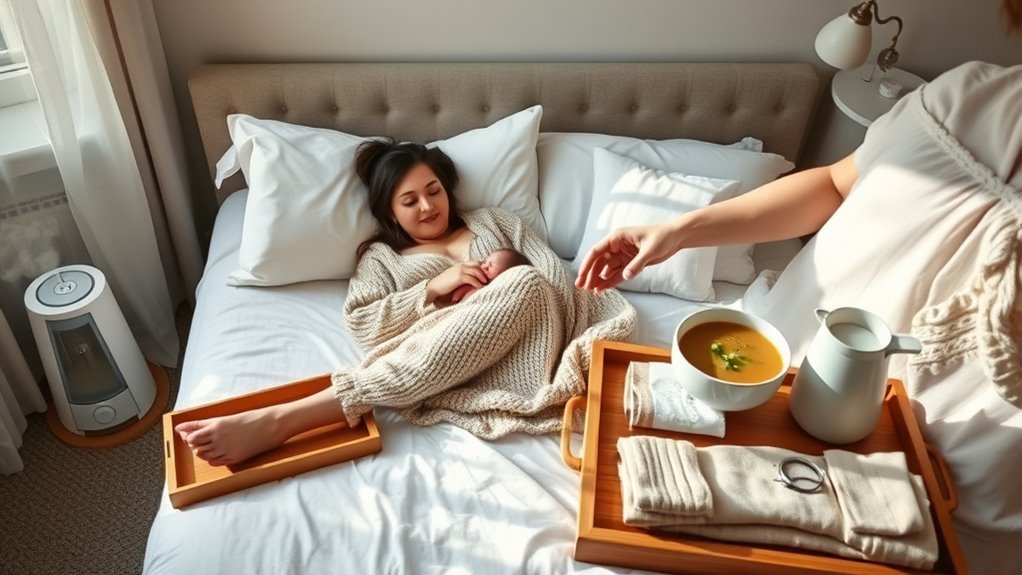
Postpartum confinement is a traditional recovery period after childbirth that centers on rest, nourishing meals, family support, and time with your newborn. Although the customs vary across cultures, most aim to protect mothers from everyday demands while they heal. Today, many families combine these traditions with modern medical advice, keeping helpful practices while adapting restrictions that may interfere with recovery.
Quick Answer
Postpartum confinement is a culturally based recovery period, commonly lasting about 30 to 40 days. It usually involves extra rest, prepared meals, family assistance, and reduced household duties. You can follow meaningful traditions while maintaining good hygiene, balanced nutrition, gentle movement, and medical checkups. No specific confinement routine is medically required for everyone.
Last checked: October 8, 2026. Dates and figures were verified against official sources.
Key Takeaways
- Chinese zuo yue zi commonly lasts 30 to 40 days, while Korean, South Asian, and Southeast Asian traditions follow different schedules.
- Rest and help with household work support recovery, but prolonged bed rest is not normally necessary after an uncomplicated birth.
- Traditional soups and warming foods can fit a healthy postpartum diet. Breastfeeding mothers still need varied foods, including fruit and vegetables.
- Warm showers, clean clothing, adequate ventilation, and gentle movement are generally compatible with postpartum recovery.
- Medical follow-up must continue during confinement. WHO recommends at least four postnatal care contacts, beginning within the first 24 hours after birth.
- Emotional support works best when mothers can choose which customs to follow. Traditional confinement alone has not been proven to prevent postpartum depression.
What Is Postpartum Confinement?
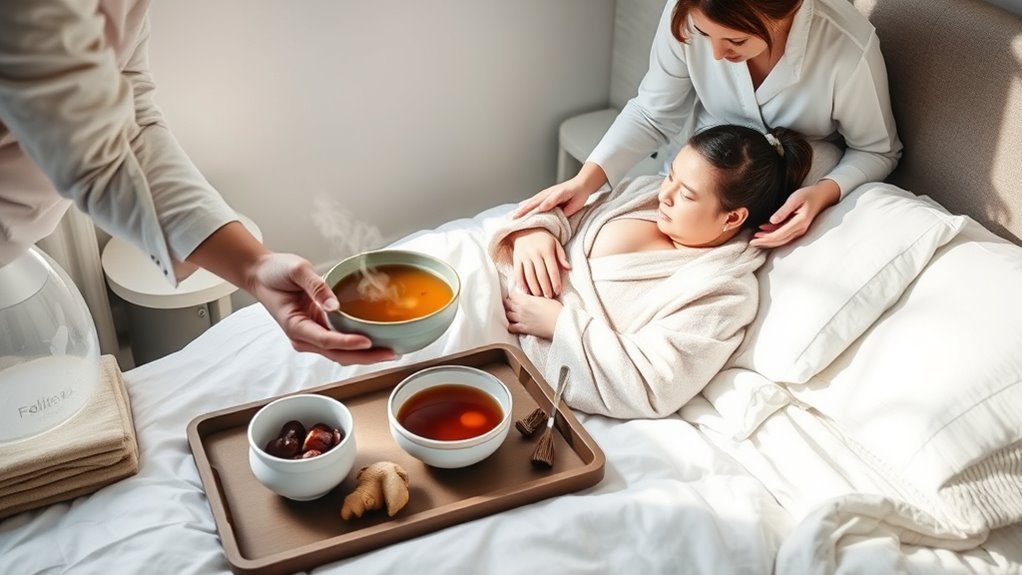
Postpartum confinement is a period after childbirth when a mother receives extra care while recovering and adjusting to life with her baby. Family members or paid caregivers may prepare meals, clean, manage visitors, and help with newborn care.
One of the best-known traditions is Chinese zuo yue zi, meaning “sitting the month” or “doing the month.” A 2024 qualitative meta-synthesis of Chinese confinement experiences describes a typical period of 30 to 40 days.
Traditional practices may include staying indoors, keeping warm, eating certain foods, and avoiding activities believed to weaken the body. These customs come from cultural beliefs about recovery rather than one universal medical treatment.
The most practical benefits often come from having time to rest and reliable help at home. When someone handles cooking, laundry, shopping, and other chores, the recovering mother can focus on healing, feeding, and bonding with her baby.
The World Health Organization’s postnatal care guidelines emphasize reliable health information, assessment, reassurance, and care that respects each family’s cultural background.
This supports a flexible approach: keep traditions that provide comfort and practical help, but change those that interfere with personal needs or medical advice.
The Cultural Origins of Postpartum Confinement
Postpartum confinement developed from the belief that childbirth leaves mothers physically depleted and temporarily vulnerable. Different societies created recovery customs centered on warmth, food, family involvement, rest, and protection from demanding work.
In traditional Chinese medicine, childbirth is associated with changes in yin and yang balance. Warm foods and drinks are believed to restore warmth, while cold water, drafts, and foods classified as cooling may be discouraged.
Ginger, sesame oil, soups, and slow-cooked meals became important parts of this approach. Their cultural value can remain meaningful even when their traditional healing claims have not been medically established.
Similar postpartum support traditions appear throughout Asia:
- South Korea: Family assistance, warmth, rest, and foods such as seaweed soup are associated with postpartum recovery.
- South Asia: Families may prepare special meals, reduce household responsibilities, and provide additional care for several weeks.
- Japan: Satogaeri bunben traditionally involves returning to the mother’s parental home around childbirth to receive family assistance.
- Southeast Asia: Chinese, Malay, and Indian communities maintain different confinement periods and food, bathing, and family-care customs.
These traditions are not identical, and practices can vary between families within the same community. Some mothers welcome structured care, while others prefer a more flexible arrangement.
Respecting culture does not mean accepting every restriction. You can maintain family meals, meaningful rituals, and the comfort of familiar customs while making your own decisions about bathing, nutrition, activity, visitors, and medical treatment.
How Long Postpartum Confinement Lasts
Postpartum confinement commonly lasts three to six weeks, although there is no universal duration. Some families follow a fixed cultural calendar, while others continue practical support according to the mother’s recovery.
The traditional period should not be confused with the time required for complete medical recovery. Healing after a vaginal birth, cesarean delivery, or complicated birth can continue after confinement ends.
| Tradition or community | Commonly described period | Typical emphasis |
|---|---|---|
| Chinese zuo yue zi | About 30–40 days | Rest, warmth, prepared meals, family assistance |
| Traditional Korean care | The first 3 weeks receive particular emphasis | Rest, warmth, seaweed soup, postpartum support |
| Singapore Chinese, Malay, and Indian traditions | About 30, 44, and 40 days respectively | Home recovery, cultural diets, warmth, family care |
| Pakistani chilla | Up to 40 days | Reduced household duties, family support, additional food |
A comparative study of Korean and Chinese postpartum practices describes cultural differences in diet, daily activity, and recovery routines. Korean traditions place particular emphasis on the early postpartum weeks.
Singapore’s government-backed HealthHub describes traditional confinement periods of 30 days for Chinese mothers, 44 days for Malay mothers, and 40 days for Indian mothers.
These periods are cultural patterns, not medical deadlines. If your recovery takes longer, you may need additional support. If you feel ready for normal light activities earlier, you do not have to remain inactive simply to complete a traditional calendar.
Postpartum Confinement Across Cultures
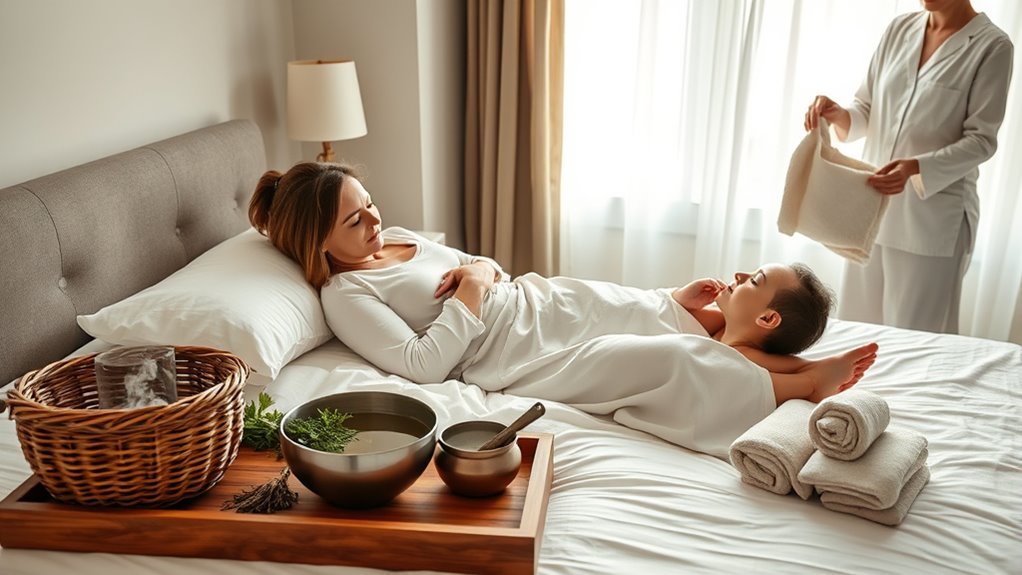
Postpartum confinement varies by culture, but many traditions share one purpose: protecting mothers from heavy household demands during early recovery. Families often express that support through meals, rest, caregiving, and fewer social obligations.
Understanding the differences can help you decide which practices fit your household and which need adjusting.
Cultural Traditions
Chinese zuo yue zi: Traditionally includes indoor rest, warming foods, reduced chores, and help from relatives or confinement caregivers. Mothers or mothers-in-law often provide care, although paid specialists are also used.
Some families still discourage cold drinks, hair washing, or outdoor activity. Others retain traditional meals and caregiving while allowing normal hygiene and movement.
Korean sanhujori: This approach emphasizes physical recovery, warmth, rest, and support after childbirth. Miyeokguk, or seaweed soup, is a familiar postpartum dish.
Eating seaweed soup is a cultural practice rather than a medical requirement for successful breastfeeding. A varied diet remains more important than any single food.
Pakistani chilla: This tradition can provide up to 40 days of additional food, reduced household work, and care from female relatives.
A study of mothers in rural Pakistan found that participation in chilla was associated with fewer postpartum depressive symptoms in its study population. However, the observational findings do not prove that the tradition itself prevents depression.
Japanese satogaeri bunben: Mothers may return to their parental home around delivery. Parents and relatives provide meals, household assistance, and support during recovery.
Research on Japanese postpartum family support and autonomy describes satogaeri bunben as an established tradition. It also highlights how losing social support or personal choice can contribute to emotional strain.
Global Care Practices
The most useful feature of these traditions is often practical assistance, not a particular ingredient or recovery rule.
A modern confinement arrangement might include:
- Prepared meals and readily available drinking water.
- Someone handling laundry, cleaning, dishes, and shopping.
- Help with newborn diapers, settling, and feeding equipment.
- Reduced social obligations and control over visitors.
- Assistance with older children and household responsibilities.
- Access to a midwife, doctor, lactation professional, or other qualified provider when needed.
The recovering mother should remain involved in decisions about her own care. A practice that creates fear, conflict, unwanted isolation, or difficulty getting medical attention may need to change.
What to Eat During Postpartum Confinement
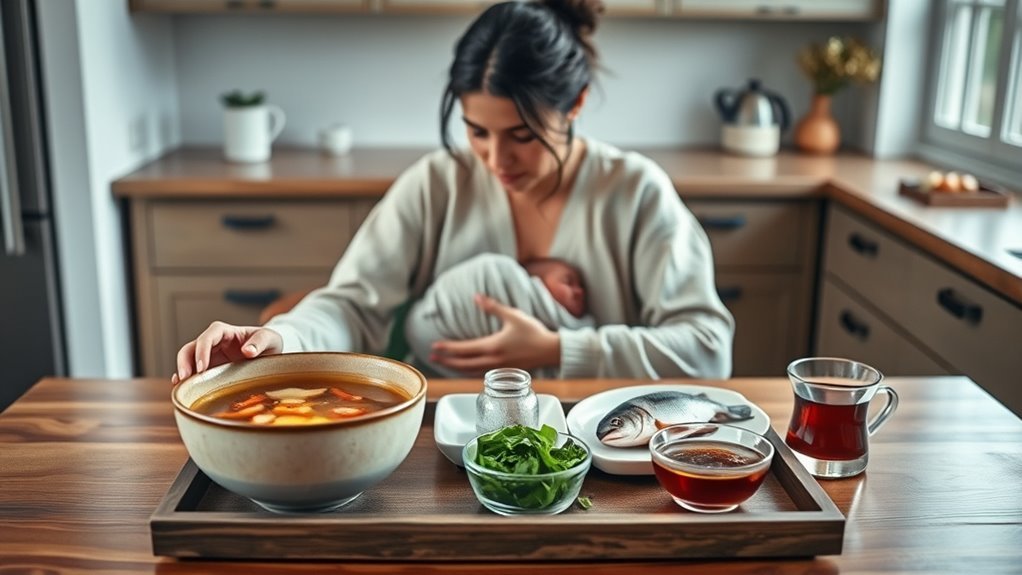
A healthy postpartum confinement diet should provide enough energy, protein, fluids, fiber, vitamins, and minerals. Warm traditional dishes can be part of that diet, but restrictive food rules should not prevent you from meeting your nutritional needs.
The CDC’s breastfeeding nutrition guidance, reviewed in August 2026, says breastfeeding mothers generally do not need to avoid specific foods and should eat a varied, nutritious diet.
Well-nourished breastfeeding mothers generally need about 330 to 400 additional calories per day compared with their pre-pregnancy intake. Actual needs depend on factors such as activity, body size, and how much the baby breastfeeds.
Nutrient-Rich Recovery Foods
Postpartum meals should combine protein, carbohydrates, healthy fats, and fruits or vegetables. This supports normal healing while providing energy for everyday activities and newborn care.
- Protein: Eggs, poultry, fish, meat, tofu, lentils, and beans help provide nutrients needed for tissue repair.
- Iron-rich foods: Meat, lentils, beans, and leafy greens can contribute iron, particularly useful when recovering from blood loss.
- Fiber: Fruit, vegetables, oats, beans, and whole grains can help with constipation.
- Calcium and other nutrients: Dairy products, fortified alternatives, and varied foods help meet nutritional needs.
- Fluids: Water, milk, and nourishing soups can help you remain comfortably hydrated.
Breastfeeding increases the need for certain nutrients, including iodine and choline. The CDC identifies recommended daily intakes during lactation of 290 micrograms of iodine and 550 milligrams of choline.
Discuss supplements with your clinician, particularly if you have anemia, dietary restrictions, a vegan diet, or another nutritional concern.
Warmth And Digestion
Many confinement diets emphasize warm dishes such as porridge, soup, cooked vegetables, rice, and ginger-based meals. These can be comforting and easy for family members to prepare.
However, there is no general medical requirement to avoid cold water, refrigerated food, fresh fruit, or vegetables after childbirth.
If you prefer warm meals, you can still include a full range of food groups. For example, serve cooked vegetables alongside fish soup or add fruit as a snack between meals.
Traditional diets that exclude most produce may provide less fiber and variety than your body needs. Food temperature alone does not determine whether a meal is nutritious.
Breastfeeding mothers should also consider ordinary food-safety recommendations. Choose lower-mercury fish and keep caffeine intake moderate. The CDC describes about 300 milligrams or less of caffeine daily as a low-to-moderate amount for most breastfeeding mothers.
Some confinement recipes contain rice wine or other alcohol. Avoiding alcohol is safest while breastfeeding. Do not assume that a traditional preparation is alcohol-free simply because it has been cooked.
Supportive Traditional Meals
Traditional confinement meals can remain part of your recovery routine if you enjoy them and they meet your nutritional needs. No single dish has been established as necessary for postpartum healing or normal breast milk production.
Common examples include:
- Fish soup with rice and cooked vegetables.
- Rice porridge with eggs, chicken, or tofu.
- Ginger-based dishes with meat or vegetables.
- Black-vinegar pork prepared as a traditional family meal.
- Papaya soup with suitable protein sources.
- Korean seaweed soup served with other balanced dishes.
Build convenient meals around a carbohydrate, a protein source, and vegetables. Keep suitable snacks nearby if you feed your newborn frequently.
Tell caregivers about food allergies, personal preferences, and any medical dietary requirements. This is especially important when relatives prepare meals according to strict traditional rules.
Common Rest and Hygiene Rules
Traditional postpartum confinement sometimes restricts bathing, hair washing, outdoor activity, physical movement, and exposure to cool air. These rules are based on cultural beliefs and should not automatically be treated as medical requirements.
Normal personal hygiene and gentle movement are generally appropriate for an uncomplicated recovery. Your delivery method, wound healing, symptoms, and medical history may change the advice you receive.
Can You Shower and Wash Your Hair?
Warm showers and hair washing are generally compatible with postpartum recovery. Singapore HealthHub specifically encourages warm-water bathing for hygiene and comfort.
Keep your hands, clothing, bedding, and feeding equipment clean. Continue normal toothbrushing and basic personal care.
If you have a cesarean incision, stitches, significant tearing, or another wound, follow your clinician’s instructions about showering, soaking, and wound cleaning.
Comfortable room temperatures and adequate ventilation are also reasonable. You do not need to avoid fans or air-conditioning solely because of traditional confinement beliefs.
Should You Stay in Bed or Avoid Exercise?
Rest matters after childbirth, but routine recovery usually does not require prolonged bed rest. Gentle walking and other suitable activities can help you regain mobility.
The American College of Obstetricians and Gynecologists says people with a healthy pregnancy and uncomplicated vaginal birth can often begin exercising within a few days or when they feel ready.
Start gently, increase activity gradually, and stop if movement causes pain or other concerning symptoms. After cesarean delivery or complications, ask your obstetric clinician when and how to resume exercise.
Do not force yourself to meet an activity goal before your body is ready. The aim is safe recovery, not rapid weight loss or a fixed exercise schedule.
Note: Postpartum confinement should support medical recovery, not replace professional care. Cesarean wounds, heavy blood loss, high blood pressure, infection, anemia, pelvic-floor injuries, and other complications may require individualized instructions about diet, activity, hygiene, and follow-up.
Medical Checkups During Postpartum Confinement
Postpartum checkups should continue even if your tradition encourages staying home. Both mothers and newborns need medical assessment during the recovery period.
Confinement is not a substitute for scheduled postpartum appointments, newborn examinations, vaccinations, or urgent medical treatment.
When Should Postpartum Checkups Happen?
The WHO recommends at least four postnatal care contacts for healthy mothers and newborns. Its postnatal contact schedule provides the following timing:
- Within 24 hours after birth: Initial monitoring and assessment of the mother and newborn, in the facility or through appropriate home-based care.
- 48 to 72 hours after birth: Additional assessment of recovery, feeding, and newborn health.
- 7 to 14 days after birth: Follow-up for physical recovery, feeding concerns, emotional well-being, and newborn needs.
- During week six: Continued assessment and guidance for both mother and baby.
These are minimum recommended contacts. More frequent care may be necessary if either the mother or newborn has additional health needs.
In the United States, ACOG’s postpartum care recommendations call for contact with a maternal care provider within the first three weeks and a comprehensive postpartum visit no later than 12 weeks after birth.
The exact appointment schedule should follow the healthcare system and professional guidance where you live.
What Should You Discuss at a Postpartum Visit?
Postpartum appointments are opportunities to discuss physical healing, newborn feeding, emotional changes, and concerns that may not be obvious during the first days at home.
- Bleeding, pain, wound healing, and signs of infection.
- Blood pressure or complications that occurred during pregnancy.
- Breastfeeding, pumping, formula feeding, and breast discomfort.
- Mood, anxiety, sleep, and overwhelming fatigue.
- Bladder or bowel problems and pelvic-floor symptoms.
- Contraception, sexual health, and future pregnancy planning.
Family members can help by arranging transport, accompanying you when wanted, and caring for the newborn during appointments.
What Family Support Looks Like During Confinement
Family support is most effective when it reduces work without removing the mother’s independence. The goal is to make daily recovery easier while respecting her preferences.
Practical assistance can be more valuable than enforcing complicated traditional rules.
- Prepare meals: Cook balanced meals, provide snacks, and keep water nearby.
- Take over household work: Manage dishes, laundry, cleaning, shopping, and errands.
- Share newborn care: Help with diapers, burping, soothing, bottle cleaning, and settling the baby.
- Protect rest: Manage visitors, reduce unnecessary interruptions, and allow uninterrupted sleep when practical.
- Support feeding decisions: Offer help with breastfeeding, pumping, or formula preparation without judgment or pressure.
- Care for older children: Maintain their routines and help them adjust to the newborn.
- Listen to preferences: Respect requests about food, clothing, bathing, visitors, room temperature, and family rituals.
Partners, grandparents, siblings, and trusted friends can share these responsibilities. Families without nearby relatives may use meal delivery, household assistance, postpartum doulas, or other support services.
Paid confinement caregivers have different training and qualifications. Practical household or newborn support should not be mistaken for medical assessment or treatment.
How to Create a Flexible Postpartum Confinement Plan
A flexible confinement plan combines cultural traditions with practical arrangements for recovery and newborn care. Planning before delivery can make it easier to share responsibilities and avoid disagreements afterward.
You do not need an expensive retreat, specialized food package, or paid caregiver to create a supportive recovery environment.
1. Choose the Traditions You Want to Keep
Start with customs that feel comforting and meaningful. These may include prepared family meals, warm drinks, fewer visitors, and additional help around the home.
Discuss any restrictions you do not want to follow before the baby arrives. Explain that hygiene, adequate food, safe movement, and medical care will remain priorities.
2. Divide Household Responsibilities
Decide who will prepare food, shop, clean, manage laundry, and care for older children.
Give helpers clear responsibilities instead of leaving every task for the recovering mother to organize. If support is limited, prioritize meals, essential cleaning, and opportunities for rest.
3. Plan for Feeding, Sleep, and Newborn Safety
Decide where feeding supplies will be kept and who can help with diaper changes, soothing, and cleaning feeding equipment.
Traditional confinement bedding arrangements should still follow modern infant safety recommendations.
The American Academy of Pediatrics recommends placing babies on their backs for sleep on a firm, flat surface in their own sleep space. The sleep area should not contain loose blankets, pillows, or soft toys.
Avoid overheating the baby through excessive wrapping or room heating. Cultural beliefs about keeping warm should not override safe infant sleep practices.
4. Prepare for Changes in Recovery
Recovery needs can change from day to day. Create a plan that allows extra rest during difficult periods while supporting gradual movement when you feel ready.
Keep your healthcare provider’s contact information available. Arrange help with medical appointments and make sure confinement customs never prevent you from leaving home for care.
If family traditions create disagreements, return to the main goal: providing support that the recovering mother actually finds helpful.
How Postpartum Confinement Affects Health and Mood
Postpartum confinement may feel comforting when it offers meals, companionship, rest, and relief from household responsibilities. It may become stressful when rules are enforced against the mother’s wishes.
Social support, personal choice, family relationships, and access to medical care all influence how mothers experience confinement.
Does Confinement Prevent Postpartum Depression?
Traditional postpartum confinement has not been proven to consistently prevent postpartum depression. Research shows mixed results, and the experience can differ widely between families.
A 2023 systematic review of Chinese postpartum confinement and depression found that some studies reported benefits, others found no clear relationship, and some identified increased risks under particular circumstances.
Helpful family relationships may reduce stress, while unwanted isolation, criticism, conflict, and loss of independence may make recovery more difficult.
This is why emotional support should be based on the mother’s needs rather than how strictly she follows traditional customs.
Recognizing Emotional Changes After Birth
Emotional changes are common after childbirth, but persistent or worsening symptoms deserve medical attention.
Pay attention to:
- Persistent sadness, hopelessness, or frequent crying.
- Severe anxiety or constant fear.
- Feeling unable to manage ordinary daily activities.
- Loss of interest in activities you previously enjoyed.
- Distressing thoughts that interfere with your well-being.
- Thoughts of harming yourself or your baby.
Temporary emotional changes sometimes called the baby blues may improve within the early postpartum period. However, symptoms that persist beyond two weeks, worsen, or interfere with daily life should be discussed with a healthcare professional.
Do not assume distress is simply a normal part of confinement. Seek professional support when you need it, regardless of whether your family believes traditional recovery practices should be sufficient.
When to Seek Medical Care During Postpartum Confinement
Serious postpartum complications can develop after leaving the hospital, even when the first days of recovery seem normal. Staying home for confinement must never delay urgent treatment.
The CDC advises immediate medical attention for urgent maternal warning signs during pregnancy and up to one year after delivery.
Warning: Seek immediate medical care for heavy bleeding that soaks one or more pads in an hour, fever of 100.4°F (38°C) or higher, chest pain, trouble breathing, fainting, severe or worsening headache, vision changes, severe abdominal pain, or significant one-sided leg or arm pain and swelling. Thoughts of harming yourself or your baby also require urgent professional assessment.
Other concerning signs include passing unusually large blood clots, foul-smelling vaginal discharge, severe weakness, or symptoms that suddenly become worse.
Do not wait for your traditional confinement period to finish before seeking care. Tell medical staff that you recently gave birth so they can assess possible postpartum complications.
Even when a symptom is not on a warning-sign list, contact your clinician if something feels seriously wrong.
Modern Postpartum Confinement Practices
Modern postpartum confinement often combines traditional family care with more flexible routines and professional support. Families may use relatives, meal services, postpartum doulas, newborn care specialists, or recovery facilities.
The right arrangement depends on your preferences, available support, health needs, and household resources.
Home-Based Confinement Support
Many families prefer home recovery because it allows familiar surroundings, flexible meals, and direct involvement from partners and relatives.
Home-based support may include:
- Meal preparation and household assistance.
- Practical newborn care and feeding support.
- Help from a postpartum doula or trained caregiver.
- Professional breastfeeding or lactation assistance.
- Access to nursing or medical services when appropriate.
Before hiring a caregiver, ask about experience, qualifications, responsibilities, hours, and the tasks not included in the service.
Postpartum Retreats and Recovery Centers
Residential postpartum facilities offer another option in some regions. Depending on the provider, packages may include accommodation, meals, newborn assistance, and access to qualified professionals.
Costs can vary considerably.
A 2021 Hong Kong Consumer Council survey reviewed residential packages lasting 26 to 30 nights. The surveyed packages ranged from HKD 63,800 to HKD 268,000 at that time.
These figures describe historical survey results, not current market prices. The Consumer Council also found differences in caregiver qualifications, package terms, and included services.
Service models can change. For example, Boram has said that its postnatal retreat was paused while the company transitioned to Boram At Home, providing postpartum support in the New York metropolitan area.
Its published at-home model includes newborn care and postpartum assistance, while services such as cooking, housekeeping, and medical care are not included in the described package.
What to Check Before Hiring a Confinement Caregiver
Before choosing any paid service, clarify exactly what you will receive.
- Training: What qualifications and experience do caregivers have?
- Responsibilities: Will they help with meals, cleaning, feeding, or overnight newborn care?
- Medical care: Are licensed healthcare professionals involved, or is the service limited to nonmedical assistance?
- Schedules: How many hours of support are included?
- Extra charges: Which services, supplies, or schedule changes cost more?
- Unexpected situations: What happens if your baby arrives early, you need hospital care, or the assigned caregiver becomes unavailable?
A good confinement arrangement should make recovery easier without forcing unnecessary restrictions or creating additional stress.
Frequently Asked Questions
What is postpartum confinement?
Postpartum confinement is a traditional recovery period after childbirth. It usually gives the mother extra rest, prepared meals, fewer household duties, and family or paid support while she heals and cares for her newborn. Specific food, bathing, temperature, and activity rules vary by culture.
How long does postpartum confinement last?
There is no universal confinement length. Chinese zuo yue zi commonly lasts about 30 to 40 days, Korean tradition strongly emphasizes the first three weeks, and some South Asian traditions extend to around 40 days. Your medical recovery does not have to follow a cultural calendar.
Can you shower during postpartum confinement?
Yes, warm showers and normal hygiene are generally compatible with postpartum recovery. Traditional bans on bathing are cultural rather than universal medical requirements. Follow your own clinician’s instructions if you have a cesarean incision, significant tearing, another wound, or a complication that changes how you should bathe.
What should you eat during postpartum confinement?
Eat a varied diet with enough energy, protein, fluids, fiber, fruit, vegetables, grains, and other nutrient-rich foods. Traditional soups, porridge, eggs, meat, fish, tofu, ginger dishes, and seaweed soup can fit that pattern, but no single confinement food is required for healing or successful breastfeeding.
What is the 3-3-3 rule for postpartum recovery?
The 3-3-3 rule is not a formal WHO or ACOG postpartum-care guideline, and versions shared online vary. Do not use it as a medical schedule for bed rest or activity. Increase movement according to your delivery, symptoms, complications, and the advice of your obstetric clinician or midwife.
When should you get medical help during confinement?
Get urgent medical care for heavy bleeding, fever, chest pain, breathing trouble, fainting, severe headache, vision changes, severe abdominal pain, major one-sided limb swelling or pain, or thoughts of harming yourself or your baby. Contact your clinician whenever something feels seriously wrong after birth.
Can you go outside during postpartum confinement?
Yes, going outside is generally compatible with postpartum recovery when your health and mobility allow it. A short, comfortable walk may be appropriate after an uncomplicated birth. Avoid overexertion, follow any medical restrictions, and never postpone healthcare appointments because a traditional confinement rule discourages leaving home.
Does postpartum confinement prevent postpartum depression?
No, postpartum confinement has not been proven to reliably prevent postpartum depression. Supportive relationships, practical help, and personal choice may improve the recovery experience, but research findings are mixed. Persistent sadness, anxiety, hopelessness, or difficulty functioning should be discussed with a healthcare professional rather than managed through traditional practices alone.
Conclusion
Postpartum confinement can provide valuable time for healing, newborn care, and support from family or professional caregivers. The most helpful approach combines meaningful traditions with adequate nutrition, normal hygiene, safe movement, emotional support, and appropriate medical care.
Choose a recovery routine that respects your preferences and health needs. Ask family members to help with practical responsibilities, keep your postpartum appointments, and adjust traditional rules whenever they interfere with your well-being.
Sources
- World Health Organization: Recommendations for person-centered, culturally respectful postnatal care.
- International Journal of Nursing Practice meta-synthesis: Chinese zuo yue zi duration, traditional practices, and caregiver support.
- Frontiers in Public Health: Korean and Chinese postpartum diets, cultural practices, and recovery patterns.
- Singapore HealthHub: Confinement durations, hygiene advice, and common cultural beliefs.
- BMC Public Health: Pakistani chilla, family support, diet, and maternal mental-health research.
- Japanese perinatal research: Satogaeri bunben, social support, autonomy, and postpartum well-being.
- CDC Maternal Diet and Breastfeeding: Breastfeeding calorie requirements, nutrition, dietary variety, and micronutrients.
- American College of Obstetricians and Gynecologists: Postpartum exercise and gradual return to physical activity.
- 2023 systematic review of Chinese confinement practices: Evidence concerning postpartum confinement and depression.
- CDC HEAR HER Campaign: Urgent maternal warning signs after childbirth.
- Hong Kong Consumer Council: 2021 postnatal service survey, caregiver qualifications, and residential package costs.
- Boram: Transition from its postnatal retreat to an at-home postpartum care model.
- WHO Postnatal Care Recommendations, NCBI Bookshelf: Recommended timing and number of postnatal contacts.
- ACOG Optimizing Postpartum Care: Early postpartum contact and comprehensive follow-up recommendations.
- American Academy of Pediatrics: Evidence-based infant safe-sleep recommendations.